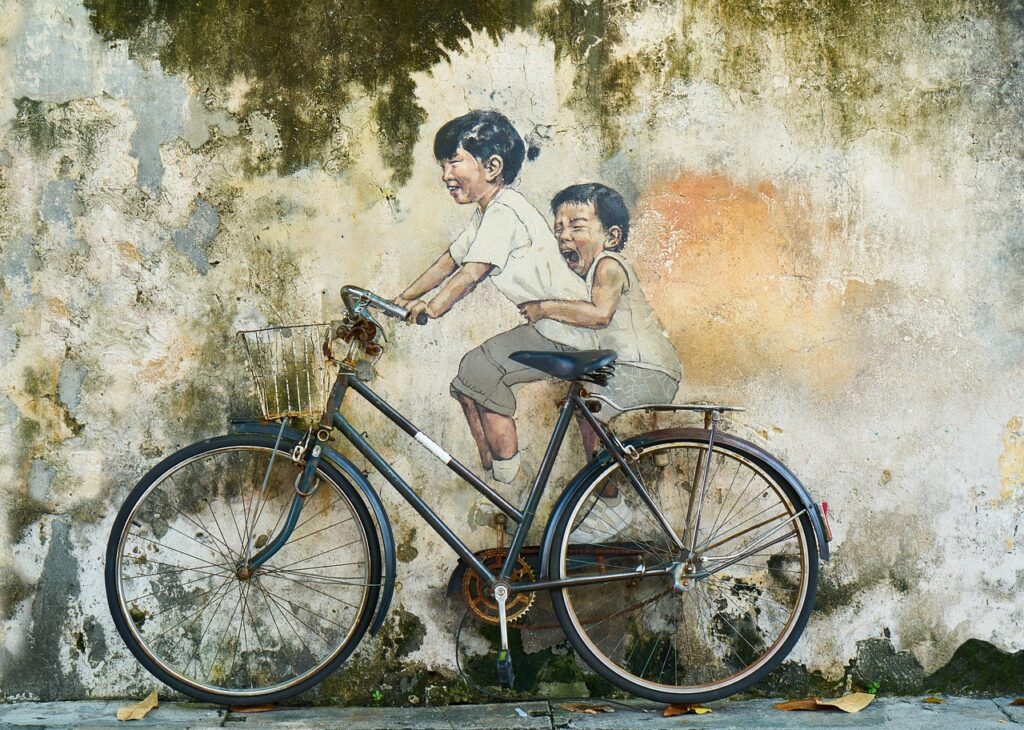

A striking new mural currently taking shape on the facade of the Indira Nagar MRTS station in Chennai has ignited a city-wide debate regarding the intersection of public art, corporate advertising, and the preservation of collective urban memory. As artists finalize the installation this week, residents and urban planners are grappling with the shifting identity of a transit hub that has long served as a canvas for community expression.
The Evolution of Urban Canvases
The Indira Nagar MRTS station has historically functioned as more than just a transit point; it has been a significant site for grassroots art in Chennai. Over the last decade, the station’s exterior walls became a rotating gallery for local artists, often reflecting social themes, environmental consciousness, and the city’s vibrant cultural heritage.
This latest transformation, however, marks a departure from purely community-driven initiatives. The project integrates elements of commercial branding alongside artistic motifs, a move that has drawn criticism from those who feel the station’s aesthetic independence is being compromised by corporate influence.
Balancing Art and Commercialism
The tension lies in the nature of public space ownership. While the Southern Railway maintains jurisdiction over the infrastructure, residents argue that these walls have become part of the neighborhood’s identity. The inclusion of corporate logos or brand-aligned color palettes within the mural’s design has sparked concerns about the ‘privatization’ of public visual narratives.
Proponents of the project argue that corporate funding is essential for the upkeep of aging transit infrastructure. They point to the deteriorating state of many MRTS stations, suggesting that such partnerships provide the necessary financial injection to clean, restore, and maintain public areas that might otherwise fall into disrepair.
Expert Perspectives on Urban Aesthetics
Urban planning experts suggest that Chennai is at a crossroads regarding how it manages visual culture. Dr. Anjali Menon, a researcher in urban sociology, notes that public art plays a critical role in the ‘legibility’ of a city. She argues that when commercial interests dictate the visual landscape, the authentic voice of the local population risks being silenced.
Data from recent urban development reports indicate that transit-oriented development projects often face similar friction. In cities like Mumbai and Bengaluru, similar debates have led to the implementation of guidelines that require a minimum percentage of space to remain free from commercial branding, ensuring that public art remains distinct from traditional advertising.
Implications for Chennai’s Transit Landscape
For commuters and local residents, this mural represents a broader shift in how Chennai navigates its modernization. If the Indira Nagar model becomes the standard for future infrastructure upgrades, the city may see a rapid increase in ‘beautification’ projects that double as advertising platforms.
Observers are now looking toward the Chennai Metropolitan Development Authority to see if a formal policy on ‘artistic integrity’ in public spaces will emerge. The next few months will be critical, as the city monitors whether this mural fosters a sense of pride among locals or if it alienates the very community that once viewed the station as a cultural landmark.
Looking ahead, the success of this project may hinge on the transparency of the partnership between the transit authorities and the private sponsors. Future developments will likely focus on whether these artistic interventions can truly balance the functional need for maintenance with the preservation of local character, or if the aesthetic identity of Chennai’s transit hubs will become permanently tied to the highest bidder.