
Introduction
Natural disasters often test the limits of human endurance, pushing rescue teams and survivors into extraordinary circumstances. Recently, a devastating flooding event in Nepal set the stage for an astonishing survival story. Two dedicated workers found themselves trapped deep underground inside a buried hydropower tunnel following a catastrophic landslide and flood. Their ordeal lasted for nine grueling days, culminating in a complex, multi-day rescue operation that captured international attention.
The Catastrophe Strikes
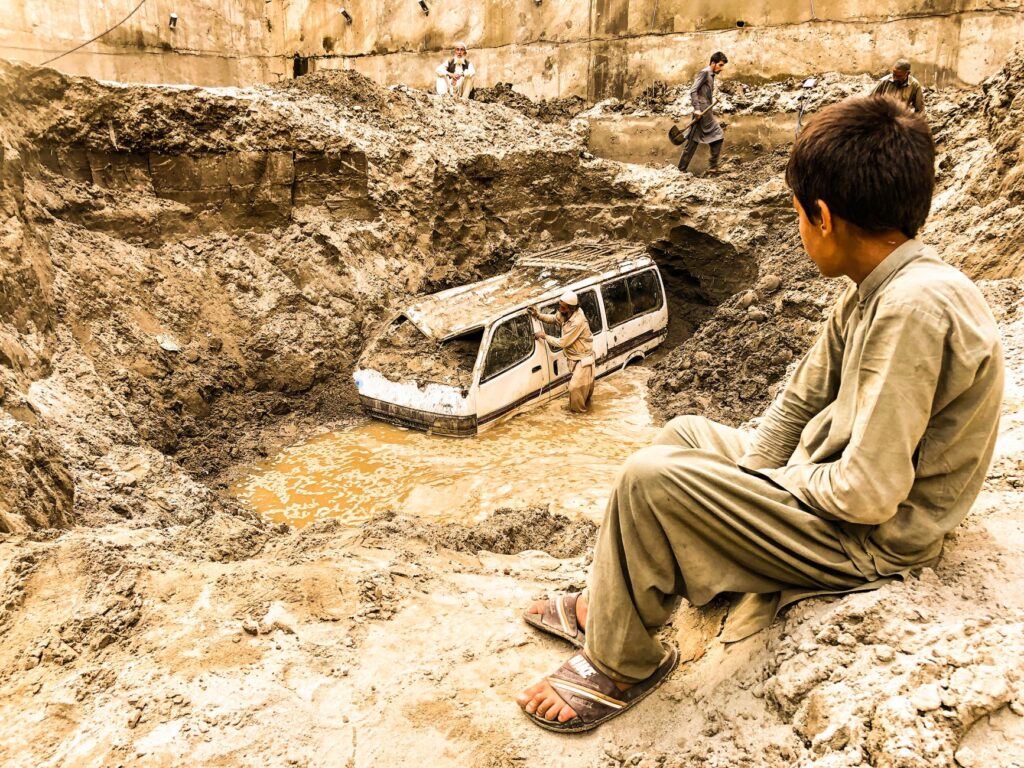
The crisis began when torrential monsoon rains triggered massive flooding and landslides across the region. The Trishuli 3A hydropower project area was severely impacted by the sudden surge of water and debris. As the hillside gave way, tons of mud, rocks, and debris blocked the entrance of the underground tunnel, trapping several individuals inside. While initial efforts managed to account for most personnel, two workers remained unaccounted for, deep within the subterranean infrastructure.
Survival Against the Odds
Inside the dark and confined space of the tunnel, the two trapped individuals faced unimaginable psychological and physical challenges. Cut off from the outside world, they had no access to natural light, reliable communication, or standard rations. Air quality diminished as the hours turned into days, and the threat of rising water levels loomed constantly. Despite these harrowing conditions, the workers maintained their resolve, rationing what little air and space they had while waiting for help that they hoped would eventually arrive.
Mobilizing the Rescue Mission
Above ground, emergency responders, engineering experts, and local authorities launched an intensive search and rescue operation. The sheer volume of debris blocking the tunnel entrance made heavy machinery deployment extremely difficult and dangerous. Rescuers had to proceed with extreme caution to avoid triggering secondary collapses that could endanger both the trapped workers and the rescue crew itself. Days passed as specialized teams worked around the clock, drilling small exploratory holes and clearing tons of earth cubic meter by cubic meter.
The Breakthrough
After more than a week of continuous effort, the rescue teams detected signs of life from within the blocked tunnel. This critical breakthrough provided a massive morale boost to the exhausted personnel on the ground. Communications were established through a narrow borehole, allowing responders to supply fresh air, water, and essential medical supplies to the trapped men while final clearance operations accelerated.
Safe Extraction and Recovery
Following days of meticulous stabilization work, the rescue crews finally breached the blockage and reached the two survivors. Both men were immediately evaluated by on-site medical professionals and transported to a nearby healthcare facility for comprehensive treatment and recovery. Medical reports indicated that despite severe exhaustion and dehydration, both individuals were in stable condition, defying the extraordinary odds stacked against them.
Conclusion
This miraculous rescue stands as a testament to human resilience, unwavering determination, and the dedication of emergency response personnel in Nepal. The successful extraction of the two workers from the buried tunnel highlights the importance of preparedness, coordination, and perseverance in the face of overwhelming natural disasters.