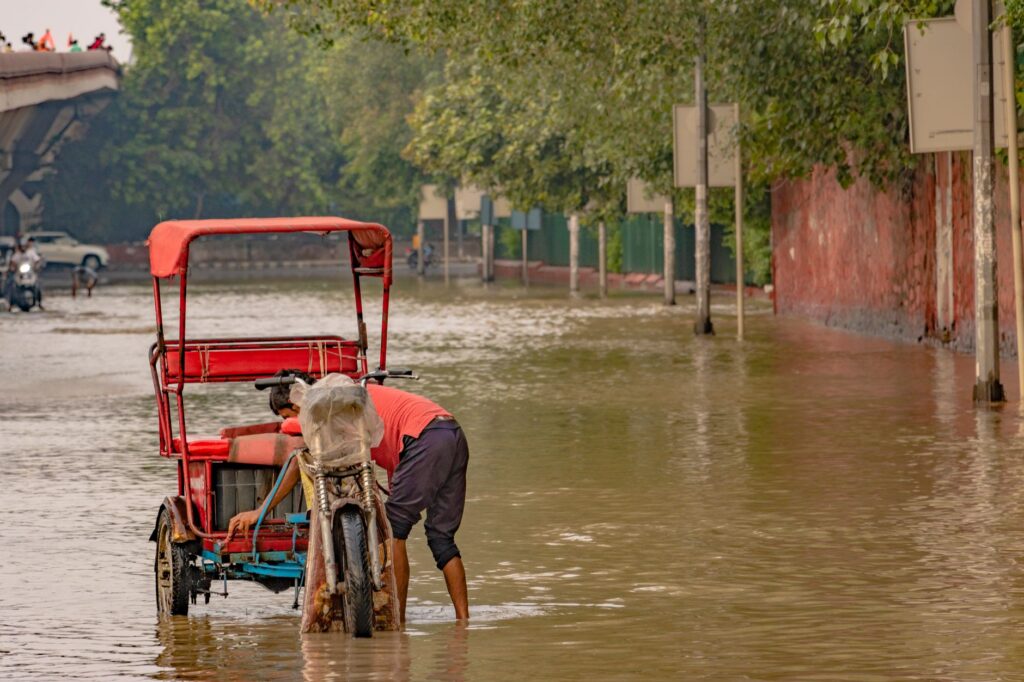

Severe monsoon downpours recently struck the Indian capital, leading to widespread flooding across multiple roadways and severely disrupting operations at the Indira Gandhi International Airport. The extreme weather conditions created immense challenges for travelers navigating the terminals and surrounding transit routes. As images and footage of the inundated areas circulated widely, political opponents seized the opportunity to heavily criticize the central administration regarding urban infrastructure planning and disaster management.
Infrastructure Failures Exposed by Monsoons
The intense precipitation exposed critical vulnerabilities in the drainage systems surrounding one of the nation’s busiest aviation hubs. Commuters and flyers faced immense difficulties as major approach roads transformed into waterlogged channels, significantly delaying travel times and flight schedules. Authorities scrambled to deploy pumping machinery to clear the accumulated rainwater, yet the initial impact had already triggered widespread public frustration and travel chaos.
Political Backlash and Sarcastic Remarks
Opposition leaders took to social media and public forums to mock the ruling administration over the dismal state of urban drainage networks. Critics utilized sharp sarcasm, comparing the flooded airport zones and city streets to coastal beaches and the famous waterways of Venice. Beyond the visual mockery, political figures also connected the infrastructural breakdown to broader economic talking points, questioning national growth metrics and the tangible outcomes of heavy capital expenditure on public works.
Demands for Accountability and Long-Term Solutions
The recurring issue of waterlogging during seasonal storms has intensified calls for comprehensive urban planning reform. Experts and political critics alike emphasized that temporary measures and emergency pumps are insufficient for addressing systemic drainage failures. Citizens and leaders are demanding strict accountability from the agencies responsible for maintaining municipal and aviation infrastructure to prevent similar disruptions during future weather events.
Preparing for Future Climate Challenges
As extreme weather patterns become increasingly frequent due to shifting climatic conditions, the pressure on municipal authorities continues to mount. Upgrading stormwater drainage networks, enhancing subterranean infrastructure, and ensuring transparent allocation of public funds are viewed as essential steps. Without proactive measures, major transport hubs will remain vulnerable to seasonal deluges, causing repeated inconvenience to the public and inviting ongoing political scrutiny.