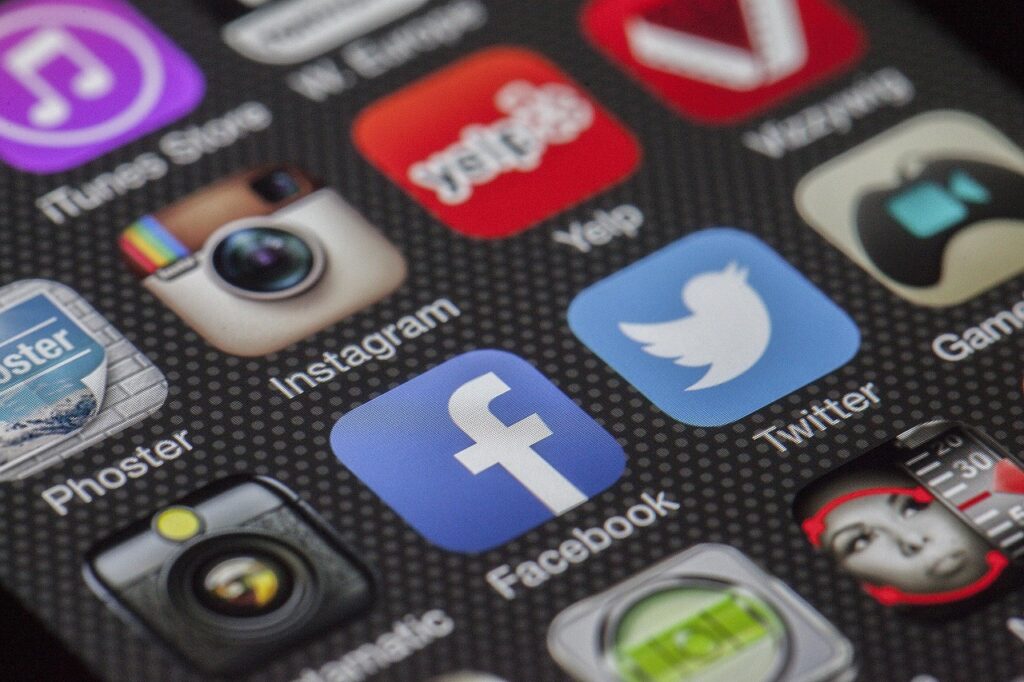

Surge in Hostile Digital Interaction
FIFA officials confirmed on Thursday that abusive social media posts directed at players, coaches, and officials have increased thirteenfold during the group stage of the 2026 World Cup compared to the 2022 tournament in Qatar. The governing body’s internal monitoring systems identified a sharp rise in toxic commentary, targeting participants across multiple digital platforms globally. This spike marks a significant escalation in digital hostility surrounding the world’s most-watched sporting event.
Contextualizing Digital Safety Standards
In recent years, FIFA has implemented the Social Media Protection Service (SMPS), an AI-driven tool designed to filter and hide abusive content in real-time. During the 2022 tournament, the organization introduced these safeguards to protect athletes from the rising tide of discriminatory and harassing messages. Despite these preemptive measures, the sheer volume of traffic and the decentralization of social media discourse have outpaced current moderation capabilities.
Analyzing the Drivers of Escalation
The 2026 tournament, co-hosted by the United States, Canada, and Mexico, has seen an unprecedented expansion in digital engagement. Analysts suggest that the broader reach of the tournament, coupled with the evolution of generative AI and bot-driven accounts, has facilitated the rapid spread of inflammatory rhetoric. Furthermore, the high-stakes nature of expanded group stages has intensified fan frustration, which frequently manifests as personal attacks on social media timelines.
Expert Perspectives on Content Moderation
Cybersecurity experts highlight that while platforms have improved their reporting mechanisms, the burden of moderation remains heavy. Dr. Elena Vance, a digital safety researcher, noted that the increase in abuse is not necessarily a reflection of increased fan malice, but rather the increased accessibility of anonymous posting features. Data from the SMPS indicates that the majority of flagged content involves hate speech, racial slurs, and threats, necessitating a more robust collaboration between FIFA and major tech conglomerates.
Industry Implications and Future Safeguards
The dramatic increase in abuse poses a critical challenge for the future of professional sports broadcasting and athlete mental health. Stakeholders are now calling for stricter verification requirements on social media platforms to deter anonymous abusers. As the tournament progresses toward the knockout stages, FIFA is expected to accelerate its partnership with platform moderators to refine filtering algorithms. Observers should monitor whether these security measures can effectively curb the trend or if further regulatory intervention from international governing bodies will be required to maintain a safe digital environment for participants.