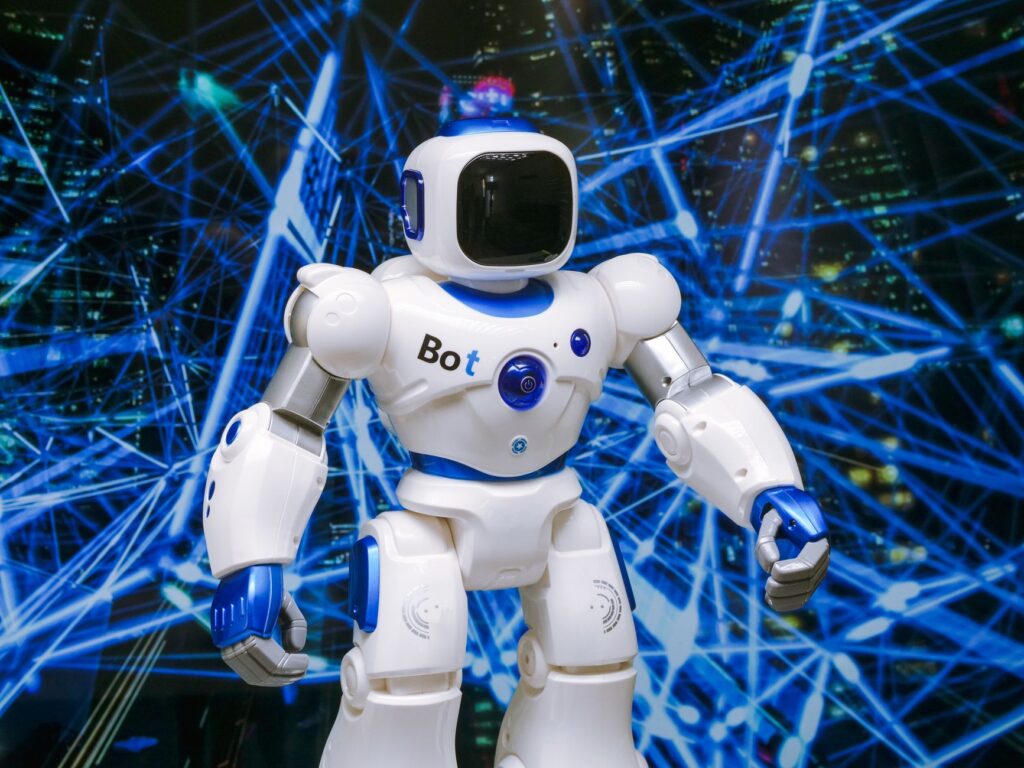

Artificial Intelligence in Education
The integration of artificial intelligence into primary and secondary education has sparked a global debate among policymakers, educators, and parents. Different regions are approaching this technological shift with contrasting strategies, highlighting a fundamental disagreement over whether generative artificial intelligence should be embraced immediately or approached with extreme caution in academic environments.
New York City Approach to Technology
In New York City, educational leaders have adopted a protective stance regarding emerging technologies. Officials argue that rushing to introduce automated tools into classrooms could undermine fundamental learning processes, critical thinking skills, and student privacy. Critics of early adoption point to potential risks involving data security, the accuracy of algorithmic outputs, and the possibility of academic dishonesty. By prioritizing traditional teaching methodologies, local authorities hope to shield young learners from potential distractions and the psychological impacts of excessive screen time.
United Arab Emirates Curriculum Integration
Conversely, governments in regions such as the United Arab Emirates are taking a proactive approach by embedding artificial intelligence directly into the official school curriculum. Proponents of this forward-thinking strategy believe that preparing the upcoming workforce for a technology-driven economy is paramount. Instead of banning advanced software, these educational systems aim to teach students how to interact responsibly with machine learning models, understand data ethics, and harness digital tools to solve complex real-world challenges.
Balancing Innovation and Safety
The divergence between these educational philosophies underscores the complexity of modern pedagogy. Schools everywhere must navigate the delicate balance between fostering digital literacy and preserving human-centric learning environments. While some jurisdictions emphasize caution to protect foundational skills, others view technological integration as an urgent necessity for future career readiness. As these contrasting experiments unfold, educators worldwide will monitor the outcomes to determine the most effective path forward for student success in an increasingly automated world.