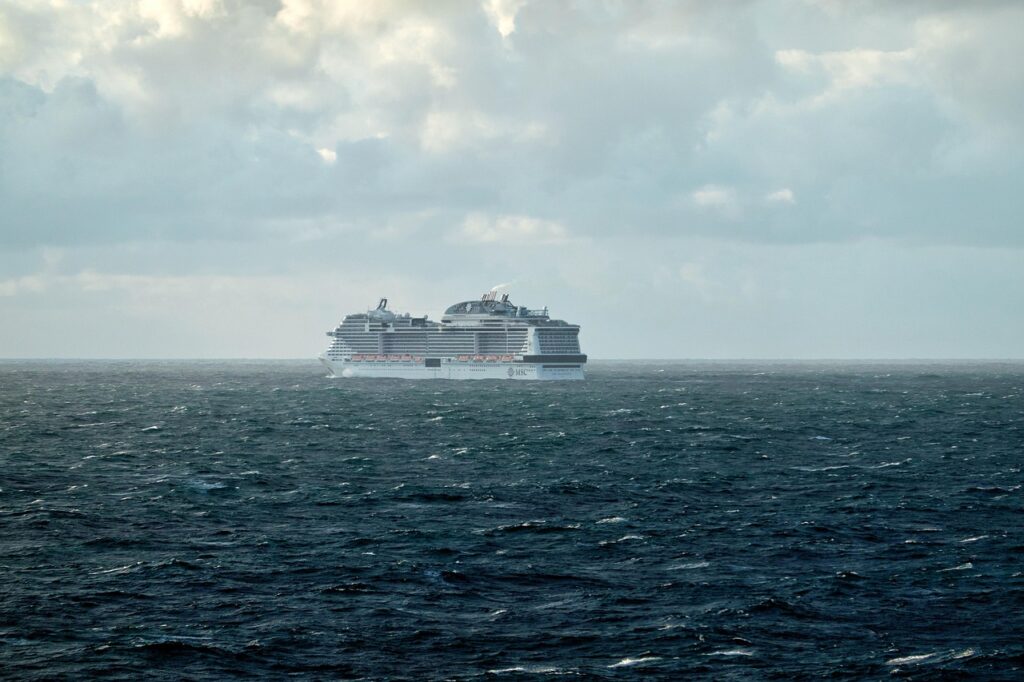

The World Health Organization (W.H.O.) officially declared the end of the deadly hantavirus outbreak aboard the cruise vessel MV Hondius this week, confirming no new cases have been reported in over 30 days. The outbreak, which surfaced during an expedition in remote waters, resulted in three confirmed fatalities and triggered a high-stakes international investigation into the origin of the zoonotic pathogen.
Context: Understanding the Hantavirus Threat
Hantaviruses are a group of viruses primarily transmitted to humans through contact with the urine, droppings, or saliva of infected rodents. While human-to-human transmission is extremely rare, the pathogen can cause Hantavirus Pulmonary Syndrome (HPS), a severe respiratory disease that carries a high mortality rate.
The MV Hondius incident marked a rare instance of an outbreak occurring within a confined maritime environment. Public health experts were initially concerned about the potential for rapid spread among the ship’s passengers and crew, leading to a global health alert and the immediate quarantine of the vessel upon its arrival at port.
Investigation and Containment Efforts
Following the initial reports of illness, international health agencies worked alongside maritime authorities to conduct a comprehensive epidemiological investigation. Teams focused on identifying potential rodent nesting sites within the ship’s storage areas and ventilation systems.
Data from the W.H.O. indicates that the infection source was likely introduced to the ship at a remote port of call before the vessel departed for its final voyage. Enhanced sanitation protocols and structural pest control measures were implemented across the fleet to prevent future incidents.
Dr. Elena Vance, an infectious disease specialist, noted that the rapid identification of the virus was critical to limiting the death toll. “The swift isolation of symptomatic passengers and the immediate deployment of diagnostic resources prevented what could have been a much larger public health catastrophe,” Vance stated.
Industry Implications and Future Safety
For the cruise industry, the MV Hondius outbreak highlights the persistent risks associated with zoonotic diseases in global travel. Maritime operators are now re-evaluating their pest management strategies, moving toward more rigorous, sensor-based monitoring systems to detect rodent presence before ships leave port.
Travelers may expect to see more stringent pre-boarding health screenings and enhanced sanitation transparency in the coming years. Health authorities are urging cruise lines to integrate biological monitoring into their routine maintenance schedules to ensure the safety of passengers in confined, international spaces.
As global travel patterns continue to recover, the focus shifts toward international cooperation in monitoring remote ecosystems where such viruses originate. Observers are now watching for new regulatory standards from the International Maritime Organization regarding biological safety, as the industry seeks to reassure the public that such outbreaks remain an extreme anomaly rather than a recurring risk.