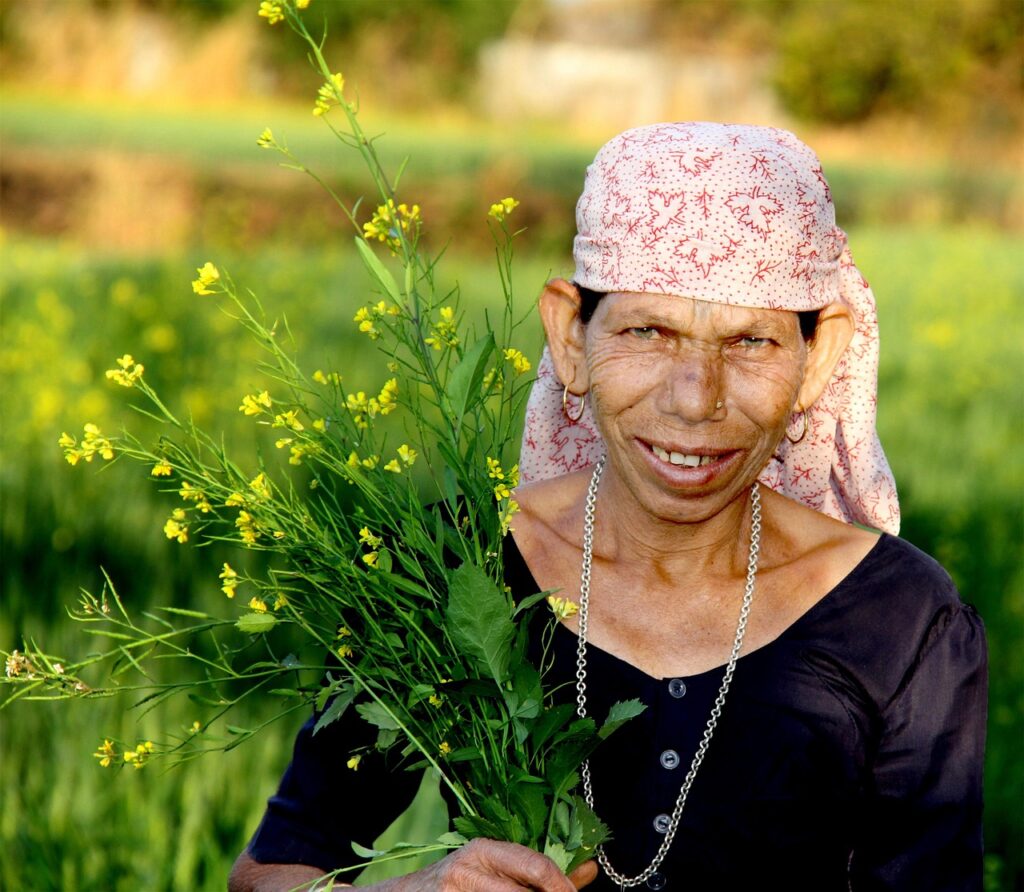

Legislative Milestone for Gender Equity
The Maharashtra Legislative Assembly unanimously passed the Women Farmers’ Empowerment Bill this week, marking a significant shift in agrarian policy within India’s second-most populous state. The legislation, which aims to formalize the legal status of women in agriculture and ensure their equitable access to resources, was championed by state officials to rectify long-standing systemic inequalities. The bill’s development was heavily influenced by the M.S. Swaminathan Research Foundation (MSSRF), a Chennai-based organization that provided technical expertise and policy frameworks to ensure the bill addresses the specific challenges faced by female cultivators.
Contextualizing the Agrarian Gender Gap
Despite women comprising a substantial portion of the agricultural workforce in India, they have historically faced significant barriers regarding land ownership, credit access, and institutional recognition. According to data from the Periodic Labour Force Survey, women constitute a significant segment of rural labor, yet they rarely hold the title to the land they cultivate. This structural disadvantage often leaves them ineligible for government subsidies, insurance schemes, and formal banking loans, effectively rendering their economic contributions invisible in official records.
The Role of the MSSRF
The M.S. Swaminathan Research Foundation played a pivotal role in the drafting process, bringing a data-driven approach to the legislative framework. Lawmakers honored the memory of the late M.S. Swaminathan, the father of India’s Green Revolution, during the proceedings. Experts from the foundation advocated for provisions that prioritize women’s names on land records and provide specialized training in sustainable farming practices. Their involvement ensured that the bill focuses not just on legal recognition, but on the practical empowerment of women farmers through resource allocation.
Key Provisions and Economic Impact
The bill mandates that women be recognized as primary farmers, a status that unlocks access to state-sponsored agricultural inputs and financial safety nets. By removing gender-based hurdles in the loan application process, the state government aims to boost productivity among smallholder farms run by women. Agricultural economists suggest that this move could improve household food security and increase rural income levels. Furthermore, the legislation introduces mandatory representation for women in local agricultural committees, ensuring their voices are represented in policy-making at the grassroots level.
Industry Implications and Future Outlook
For the agricultural sector, the passage of this bill signals a move toward more inclusive growth and modernization. Industry analysts suggest that this policy could serve as a model for other Indian states looking to revitalize their rural economies through gender-inclusive reforms. As the state moves toward implementation, the focus will shift to how effectively the government can bridge the gap between policy on paper and ground-level execution. Observers will be watching to see if this legal recognition translates into actual land ownership shifts and improved credit scores for women farmers in the coming fiscal year.