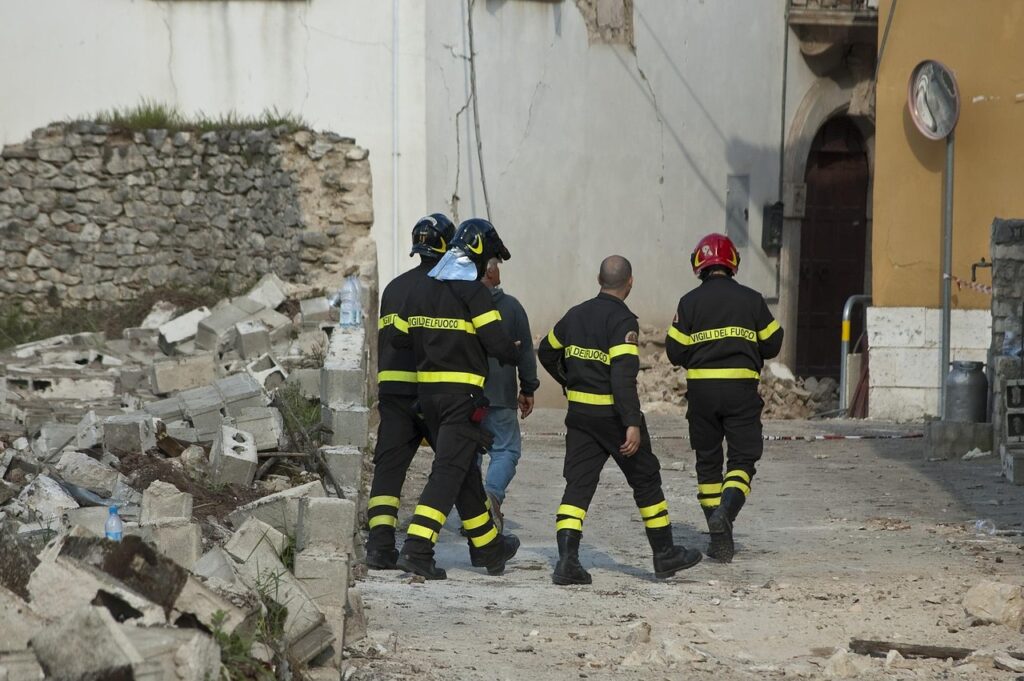

Search-and-rescue teams in Venezuela successfully extracted a security guard alive from the ruins of a collapsed building on Thursday, marking a miraculous survival more than a week after a series of devastating double earthquakes struck the region.
The survivor, who had been trapped beneath layers of concrete and twisted metal for eight days, was kept alive by rescuers who managed to deliver water and liquid nutrients through a thin syringe inserted into the debris. The operation, which lasted several hours, represents a rare victory for emergency responders working against increasingly grim odds in the wake of the disaster.
The Context of a Catastrophic Event
The dual seismic events that hit Venezuela last week have left thousands displaced and infrastructure in ruins. The magnitude of the earthquakes caused widespread structural failures in urban centers, complicating efforts for international and local rescue teams navigating unstable sites.
In the initial 72 hours following such disasters, the focus is typically on finding survivors in ‘voids’ created by collapsed floors. Once that window closes, survival depends heavily on the availability of hydration and the stability of the victim’s immediate environment.
A Complex Operation Under Pressure
The rescue of the security guard required extreme precision to avoid shifting the unstable weight of the collapsed structure. Rescuers utilized acoustic sensors and thermal imaging to locate the man, eventually establishing a narrow channel to reach him.
Medical professionals on-site reported that the victim remained conscious despite extreme dehydration and muscle atrophy. The use of a syringe to bypass the blockage was a tactical decision made by engineering teams who feared that mechanical excavation would trigger a secondary collapse.
Expert Perspectives and Survival Statistics
Disaster response experts note that survival after seven days is statistically rare, often referred to in emergency management as the ‘post-golden period.’ According to data from the Global Disaster Search and Rescue Network, survival rates plummet significantly after the first 120 hours, making this rescue a significant outlier in humanitarian operations.
Dr. Elena Vargas, a disaster medicine specialist, noted that the survivor’s ability to remain calm was likely a critical factor. ‘Psychological resilience coupled with the specialized, albeit minimal, caloric intake provided by rescuers allowed the body to survive beyond typical physiological limits,’ Vargas stated.
Implications for Future Disaster Preparedness
This event serves as a stark reminder of the necessity for advanced localized training in urban search-and-rescue (USAR) techniques. The success of this mission is expected to influence how regional governments prioritize funding for life-detection equipment and rapid-response infrastructure.
Industry analysts suggest that the focus will now shift toward long-term recovery efforts, including the structural assessment of remaining buildings and the management of displaced populations. Observers are watching to see if this success prompts a surge in volunteerism or a reallocation of international aid resources to support the ongoing recovery phase in the affected provinces.