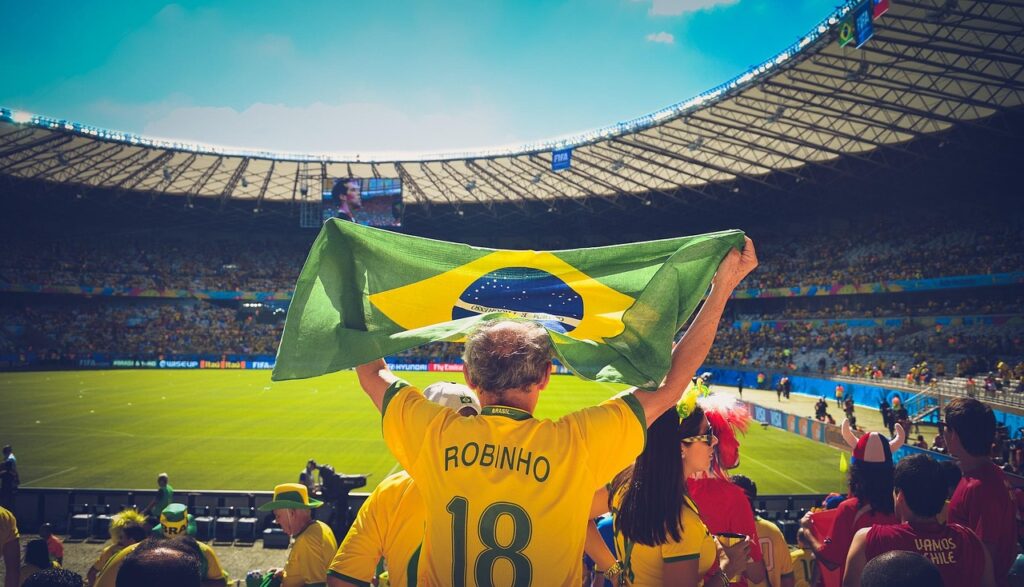

FIFA’s decision to expand the men’s World Cup from 32 to 48 teams, implemented for the upcoming 2026 tournament across North America, has sparked a global debate regarding the dilution of competitive quality versus the democratization of international football. As the governing body prepares for this unprecedented shift, analysts, players, and fans remain divided on whether the inclusion of 16 additional nations will enhance the spectacle or compromise the rigorous standards established over nearly a century of play.
The Evolution of Tournament Structure
Since its inception in 1930, the World Cup has undergone numerous structural revisions, growing from 13 teams to 32 by the 1998 tournament in France. The move to 48 teams, approved in 2017, represents the most significant expansion in the competition’s history.
The primary driver behind this expansion is FIFA’s ambition to increase global participation and revenue. By broadening the qualification path, FIFA aims to provide emerging football nations in Africa, Asia, and the CONCACAF region with greater access to the world stage, thereby fostering growth in secondary markets.
Analyzing the Competitive Impact
Critics of the expansion argue that the influx of lower-ranked teams could lead to lopsided scores and a decrease in overall match intensity. Historical data suggests that while upsets are a hallmark of the tournament, a wider field risks including teams that lack the tactical maturity to compete at the highest level.
Conversely, proponents point to the ‘Cinderella stories’ that define World Cup lore. The performance of teams like Morocco in 2022—who became the first African nation to reach a semi-final—demonstrates that talent is not strictly confined to traditional European and South American powerhouses.
Data and Expert Perspectives
Sports analytics firms have modeled the new 48-team format, noting that the introduction of 12 groups of four—or the proposed 16 groups of three—will fundamentally alter the tournament’s rhythm. According to a report by the CIES Football Observatory, the expansion could lead to a ‘fatigue factor’ if match scheduling is not managed with extreme precision.
Former players have voiced concerns regarding the physical toll on athletes. With more matches scheduled over a longer period, the cumulative impact on elite players who already participate in grueling domestic club seasons remains a point of contention for global player unions like FIFPRO.
Implications for the Future of Football
For the average viewer, the expansion guarantees more matches, which translates to a longer tournament experience. However, the industry must now grapple with the logistical challenges of hosting 104 matches, a significant increase from the 64 games played in previous iterations.
Commercial stakeholders view the expansion as a massive growth opportunity, anticipating record-breaking broadcast rights and sponsorship deals. For participating nations, the financial windfall from simply qualifying can provide the necessary capital to invest in domestic youth academies and infrastructure.
The long-term success of the 48-team format will likely be measured by the competitiveness of the group stages. If the expanded field produces high-stakes drama rather than predictable blowouts, FIFA will likely view the transition as a success. Observers should monitor the qualification outcomes for the 2026 tournament closely to see if the expanded quota successfully bridges the gap between the traditional elite and the rising challengers of the global game.