
Former U.S. Olympian David Hearn was indicted on Thursday on a felony charge following allegations that he intentionally damaged the Lincoln Memorial Reflecting Pool in Washington, D.C. Authorities claim that Hearn tore up approximately two feet of the historic site’s infrastructure last month, an act that has drawn significant public attention amid ongoing concerns regarding the National Park Service’s maintenance of the landmark.
Context and Current Site Conditions
The incident occurs during a period of heightened scrutiny surrounding the Reflecting Pool, which is currently undergoing a $16 million renovation project. The site has recently struggled with persistent algae blooms, leading to visual degradation that has prompted criticism from both tourists and local preservationists.
Political discourse surrounding the renovation has intensified in recent weeks, with various stakeholders debating the efficacy of current funding and management strategies. The pool, a centerpiece of the National Mall, serves as an iconic backdrop for millions of visitors annually, making any damage to its structure a matter of federal concern.
Details of the Investigation
Federal investigators allege that Hearn bypassed security measures to gain access to the pool’s basin. The indictment specifies that the damage sustained to the structure is significant enough to warrant felony charges rather than a simple misdemeanor, citing both the cost of restoration and the historical status of the memorial.
Law enforcement officials have not yet released a specific motive for the act, though the timing of the vandalism coincides with a surge in public demonstrations at the National Mall. Legal experts note that damage to federal property, particularly sites listed on the National Register of Historic Places, carries severe penalties under U.S. code.
Expert Perspective on Monument Preservation
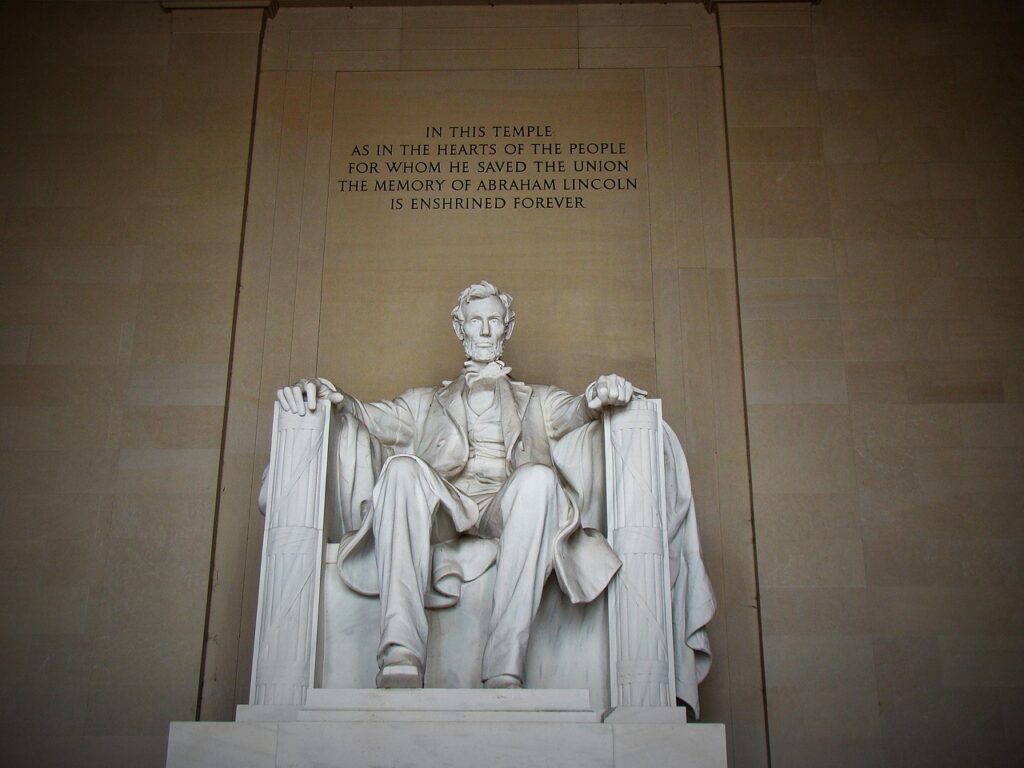
Cultural heritage preservationists emphasize that the Lincoln Memorial and its surrounding features represent more than just stone and water. Dr. Elena Vance, an urban historian, noted that the pool is an integral part of the memorial’s architectural symmetry, designed by Henry Bacon to mirror the Lincoln statue.