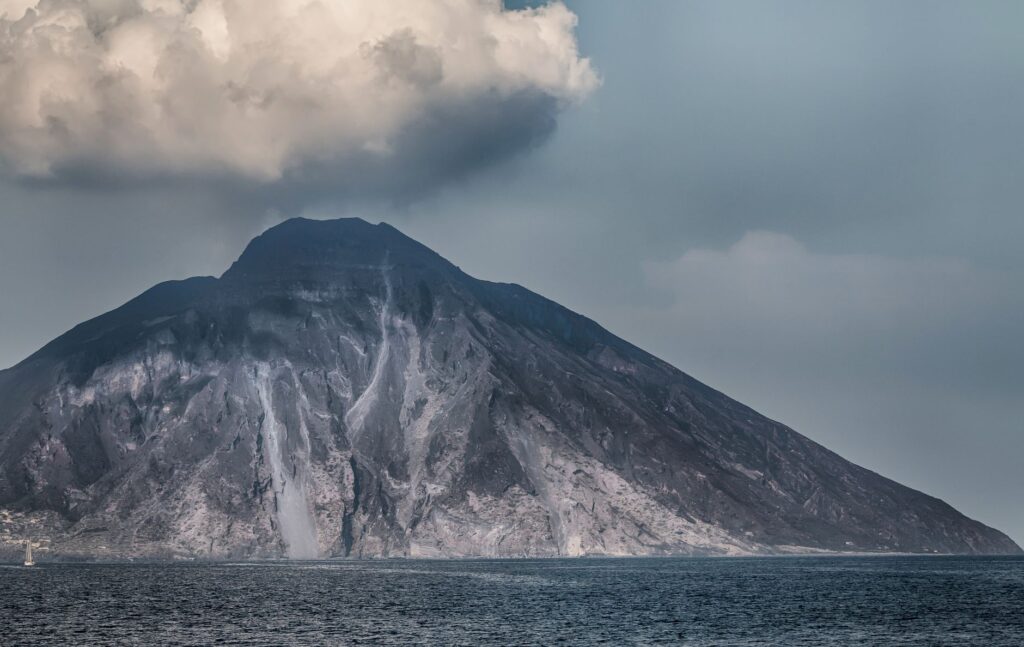

Volcanic Activity at Anak Krakatau
Indonesia remains one of the most active seismic regions on the planet, frequently experiencing significant geological events. Recently, attention has turned toward the Sunda Strait, where the well-known Anak Krakatau volcano has experienced a notable eruption sequence. Emergency management agencies and geological monitors have closely tracked the activity to evaluate potential risks to nearby coastal communities.
The recent eruption sent columns of ash and smoke high into the atmosphere, creating a striking visual spectacle for observers at a distance. Volcanic ash clouds can pose serious hazards to regional air traffic and local air quality, prompting monitoring networks to issue timely advisories. Although eruptions at this site are part of its ongoing geological cycle, the intensity of this event has raised the alert level among disaster management personnel.
Safety Directives and Exclusion Zones
In response to the sudden increase in volcanic activity, local disaster response authorities have implemented strict exclusion zones around the island. Residents, fishermen, and tourists have been officially instructed to maintain a safe distance from the crater. Official guidelines recommend staying at least several kilometers away from the active zone to prevent exposure to sudden pyroclastic flows, falling debris, and toxic volcanic gases.
Emergency preparedness teams are currently on standby across the coastal regions of Java and Sumatra bordering the Sunda Strait. Local governments are coordinating closely with geological survey agencies to evaluate real-time data and determine if further protective measures are necessary. Public awareness campaigns have been stepped up to ensure that communities remain vigilant and prepared for any escalation in volcanic behavior.
Historical Context and Tsunami Monitoring
Anak Krakatau, which translates to the child of Krakatoa, emerged from the remnants of the catastrophic 1883 eruption of the original Krakatoa volcano. Because of its unique underwater and subaerial structure, any major flank collapse or violent eruption carries the potential to generate localized tsunami waves in the surrounding strait.
Authorities are maintaining continuous observation of sea levels and seismic tremors to detect any abnormalities. While no tsunami warnings have been triggered by this recent eruption, the historical volatility of the region necessitates constant vigilance. Scientific teams continue to study the ongoing tremors to better understand the internal mechanics driving the current activity.
Outlook for the Region
Geological experts emphasize that volcanic unrest can fluctuate unpredictably over days or weeks. Monitoring stations will continue to track seismic signatures, gas emissions, and thermal anomalies around the clock. Communities in the vicinity are advised to rely strictly on updates from official channels and avoid sharing unverified rumors regarding potential secondary hazards.