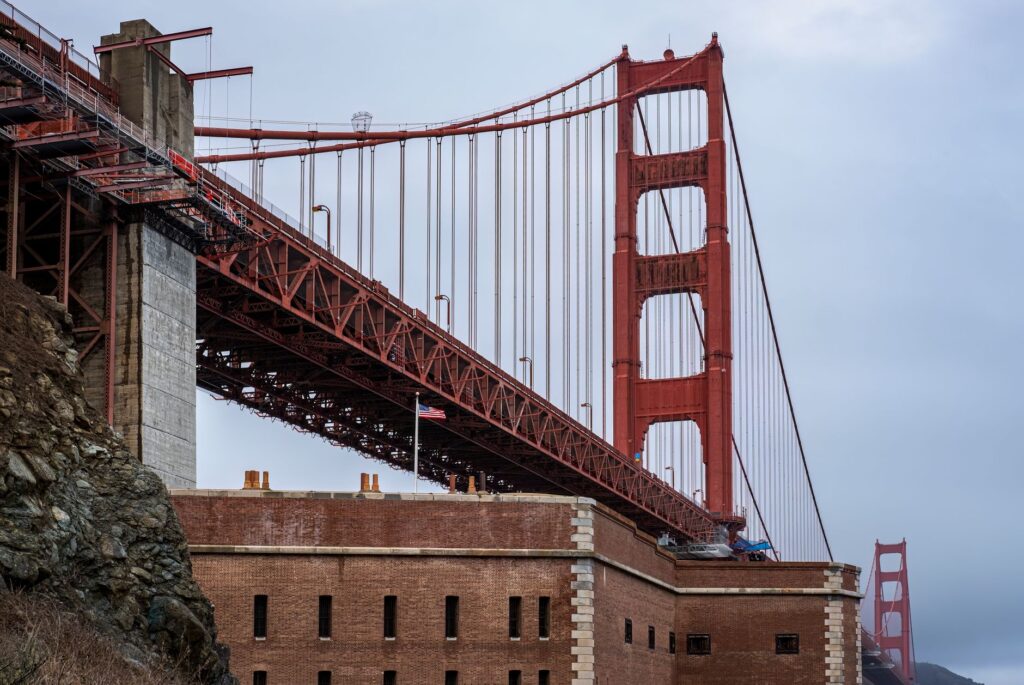

A San Francisco jury deadlocked on felony charges against seven protesters who blockaded the Golden Gate Bridge in April 2024, effectively ending a high-profile legal battle over the limits of political demonstration. While the jurors could not reach a consensus on the felony count of conspiracy to commit a crime, they successfully convicted the defendants on misdemeanor charges related to the obstruction of a public roadway.
The Context of the Blockade
The demonstration occurred during a surge of protests across the United States regarding the ongoing military conflict in Gaza. On the morning of April 15, 2024, the group utilized vehicles to bring traffic on the iconic bridge to a complete standstill, citing their opposition to American military support for the campaign.
The blockade caused significant disruption, halting thousands of commuters for several hours and drawing national attention to the tactics employed by activists. Law enforcement eventually cleared the scene and arrested the participants, setting the stage for a judicial examination of whether such civil disobedience crosses the line into criminal conspiracy.
A Divided Legal Verdict
During the trial, prosecutors argued that the coordination required to orchestrate the bridge shutdown constituted a felony conspiracy. They emphasized the economic and public safety impact of the blockade, noting that emergency services were delayed during the incident.
Defense attorneys maintained that the actions were a form of protected political speech and non-violent civil disobedience. They argued that the protesters were driven by urgent humanitarian concerns and that the state’s pursuit of felony charges was an attempt to criminalize dissent.
Expert Perspectives and Legal Precedent
Legal analysts suggest that this outcome highlights the tension between public safety and the right to protest. According to data from the International Center for Not-for-Profit Law, jurisdictions across the U.S. have seen an increase in legislative efforts to enhance penalties for protesters blocking infrastructure.
“The jury’s inability to agree on the felony count suggests that while the public may be frustrated by the disruption, there is significant hesitation to classify this type of advocacy as a serious criminal conspiracy,” said a legal expert familiar with similar First Amendment cases. The split verdict leaves a complex legacy, as it affirms the illegal nature of the obstruction while stopping short of labeling the organizers as felons.
Future Implications for Activism
The resolution of this case sets a precarious precedent for both law enforcement and future protest groups. Prosecutors will likely evaluate whether to retry the felony charges, a decision that will be closely watched by civil rights organizations concerned about the potential for systemic chilling effects on political expression.
Observers should monitor upcoming court proceedings in similar protest cases nationwide to see if this verdict signals a shift toward leniency or a continued push for harsher sentencing in infrastructure-related demonstrations. As the debate over the intersection of public infrastructure and political assembly continues, local governments may move to pass more stringent ordinances to prevent similar disruptions from occurring in the future.