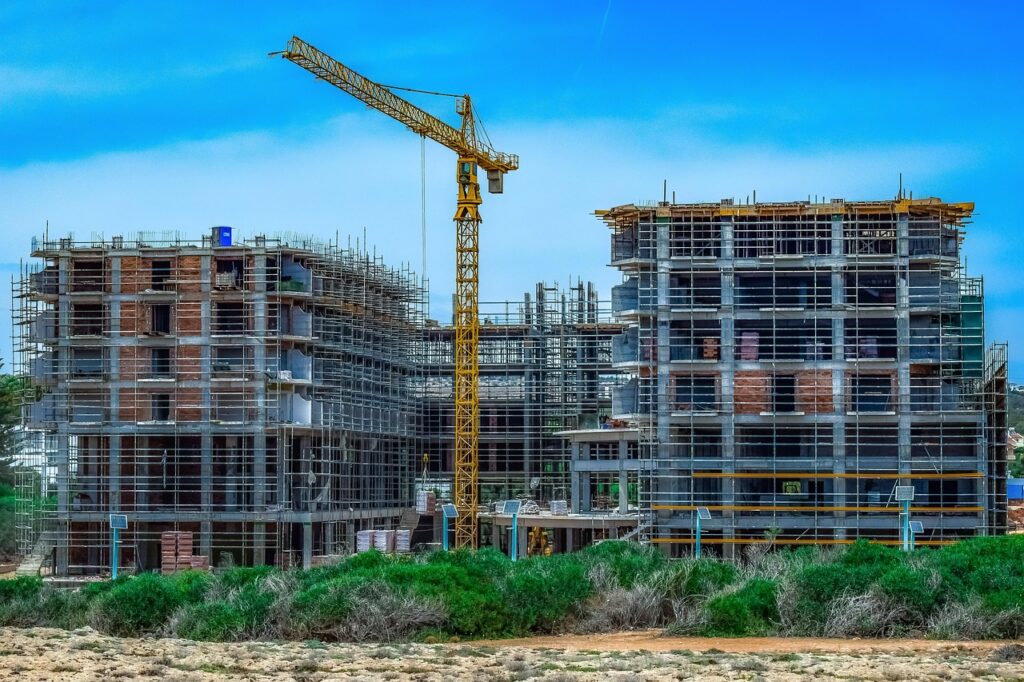

Shifting Strategies for Infrastructure Growth
Kerala Chief Minister Pinarayi Vijayan announced this week that the state government is actively exploring innovative development models that transcend traditional Public-Private Partnership (PPP) frameworks. Speaking at a policy briefing in Thiruvananthapuram, the Chief Minister emphasized that the state aims to integrate private developers into Kerala’s long-term economic growth without relying on conventional concession models that have historically faced hurdles. The initiative seeks to accelerate infrastructure projects while maintaining fiscal discipline, as the government explicitly ruled out any plans to raise taxes to finance these developmental activities.
The Context of Fiscal Constraints
For decades, Kerala has relied on a mix of state-funded projects and PPP models to manage its infrastructure needs. However, traditional PPP structures have frequently been criticized for long gestation periods, high debt burdens, and contractual disputes that stall progress. As the state faces tightening fiscal space and competing demands for social welfare spending, the administration is under pressure to find creative ways to attract capital.
Leader of the Opposition V.D. Satheesan has underscored the urgency of this pivot, reiterating the government’s commitment to avoiding tax hikes. By signaling that the state will not burden taxpayers to bridge the funding gap, the government is effectively placing the onus on policy innovation to unlock private investment through alternative financial instruments or land-value capture strategies.
Alternative Models and Private Participation
The proposed shift moves away from the classic ‘Build-Operate-Transfer’ (BOT) model toward more collaborative frameworks that emphasize shared risk and long-term asset management. Experts suggest that the state might look toward Special Purpose Vehicles (SPVs) or hybrid annuity models that guarantee a steady stream of revenue to private partners without the volatility associated with user-fee-based projects.
Dr. Ananthakrishnan, an urban economist based in Kochi, notes that the success of these new models depends on the transparency of the bidding process.