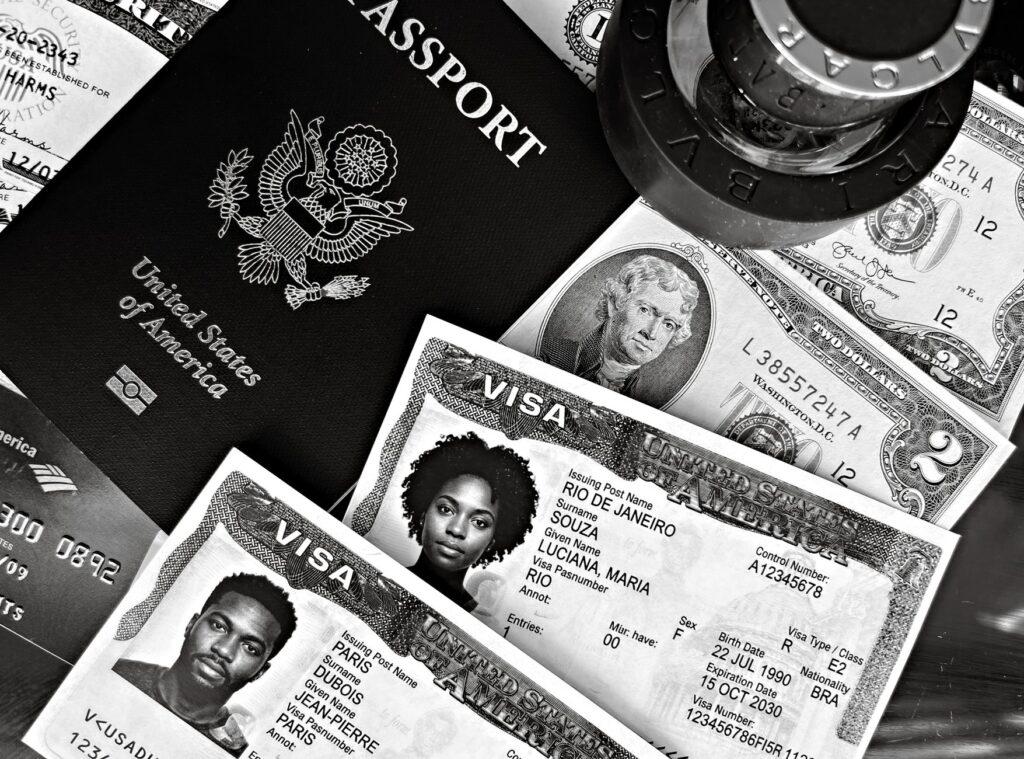

Overview of H-1B Visa Oversight
United States immigration authorities have announced plans to intensify scrutiny surrounding H-1B visa petitions following recent compliance audits. Government agencies uncovered instances where foreign professionals brought into the country under standard programmer classifications were actually assigned to execute advanced engineering duties. This discrepancy has triggered broader concerns regarding how sponsoring companies categorize foreign talent and compensate skilled workers within the technology sector.
Understanding the Misclassification Issue
The core of the emerging regulatory review centers on job role accuracy and wage compliance. Immigration frameworks rely heavily on precise definitions of professional occupations to determine appropriate prevailing wage levels. When firms petition for specialized foreign nationals, the designated occupation dictates the minimum salary requirements mandated by federal guidelines. Recent evaluations in Nebraska revealed that certain foreign workers hired under standard programmer job codes performed responsibilities traditionally aligned with higher-paid engineering positions.
Implications for Sponsoring Employers
Corporate sponsors utilizing the H-1B program now face heightened compliance risks and stricter evaluation standards. Human resources departments and immigration legal teams must ensure absolute alignment between daily job duties and the formal descriptions submitted during the visa application process. Failure to accurately classify roles can lead to extensive application delays, audits, or potential legal penalties for organizations operating within the United States.
Impact on Foreign Technology Professionals
For international technology experts seeking employment in the American labor market, these heightened verification measures highlight the importance of transparent job descriptions. Professionals must verify that their actual daily responsibilities correspond accurately with their official visa documentation and corresponding salary brackets. Ensuring proper classification protects workers from underpayment and safeguards their legal status throughout their tenure in the country.
Future Outlook for Immigration Policy
Federal oversight of employment-based immigration categories continues to evolve as regulatory bodies demand greater transparency from sponsoring businesses. Experts anticipate that future visa adjudications will involve deeper audits and more rigorous verification protocols before petitions receive final approval. Employers and workers alike must adapt to this stricter regulatory environment to maintain seamless compliance with American immigration laws.