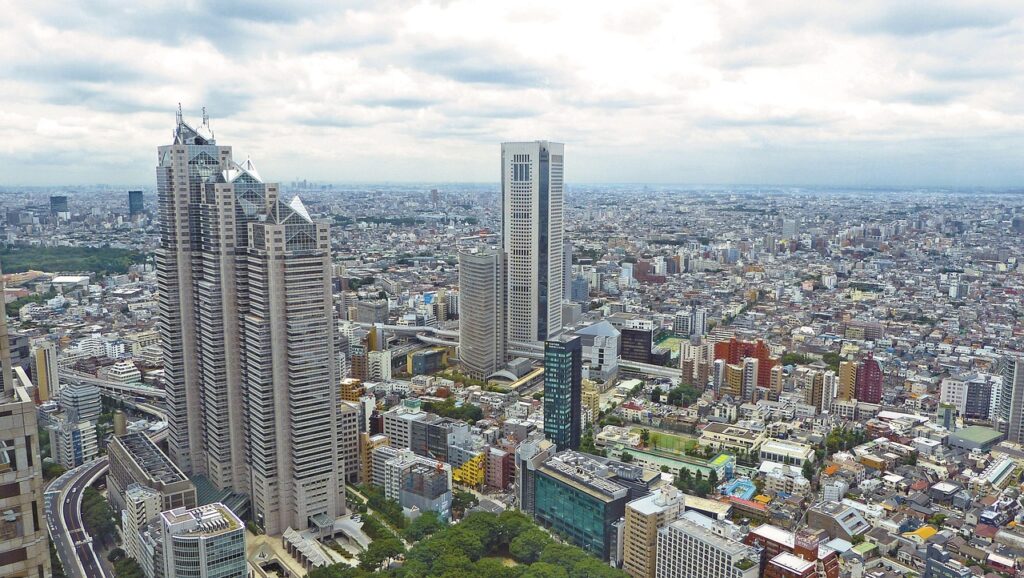

Commercial real estate owners across major global markets are currently undergoing a fundamental shift in property management as of late 2023, pivoting away from aesthetic-heavy design toward highly functional, adaptable infrastructure to meet evolving tenant demands. This transition, driven by a post-pandemic workforce that prioritizes operational efficiency and hybrid-work flexibility, is forcing landlords to prioritize the internal ‘rewiring’ of office spaces over the flashy, short-term renovations that defined the previous decade.
The Evolution of Tenant Expectations
For years, the commercial sector focused heavily on high-end finishes, open-concept floor plans, and luxury amenities to attract corporate leases. However, the current economic climate and the rise of hybrid working models have rendered many of these superficial upgrades obsolete.
Today, tenants are prioritizing buildings that offer superior air filtration, robust digital connectivity, and modular floor plates that can be reconfigured on demand. Research from JLL suggests that energy efficiency and smart-building technology are now top-three considerations for 70% of corporate real estate executives during lease negotiations.
Infrastructure as a Competitive Advantage
The concept of ‘rewiring’ extends beyond physical electrical systems to include the digital backbone of a property. Buildings that cannot support the high-density data requirements of modern cloud-integrated offices are seeing significantly higher vacancy rates.
Property managers are increasingly investing in Internet of Things (IoT) sensors to track occupancy patterns in real time. By utilizing this data, owners can reduce energy consumption during off-peak hours, directly lowering the operating expenses that tenants are now scrutinizing more closely than ever.
Expert Perspectives on Market Viability
Industry analysts indicate that the ‘flight to quality’ is no longer about marble lobbies, but about functional longevity. ‘The buildings that will survive this correction are those that function as living, breathing ecosystems,’ says Sarah Jenkins, a senior analyst at a leading commercial real estate firm.
Data from the International WELL Building Institute confirms that properties meeting stringent health and efficiency standards command a rent premium of up to 15% compared to non-certified, traditional counterparts. This trend underscores a move toward ‘future-proofing’ assets against both regulatory shifts in carbon emissions and the unpredictable nature of tenant occupancy.
Implications for the Industry
For investors and developers, this means the traditional playbook of short-term cosmetic flipping is losing its efficacy. Capital expenditure budgets are shifting away from interior design and toward mechanical, electrical, and plumbing (MEP) systems that facilitate long-term adaptability.
Looking ahead, stakeholders should monitor how municipal zoning laws evolve to support building conversions. As the demand for traditional office space continues to face headwinds, the ability to repurpose interior systems for mixed-use or high-tech industrial applications will likely become the primary indicator of a property’s long-term value. Investors who prioritize modularity today will likely be the only ones capable of pivoting their portfolios when the next wave of workplace disruption inevitably arrives.