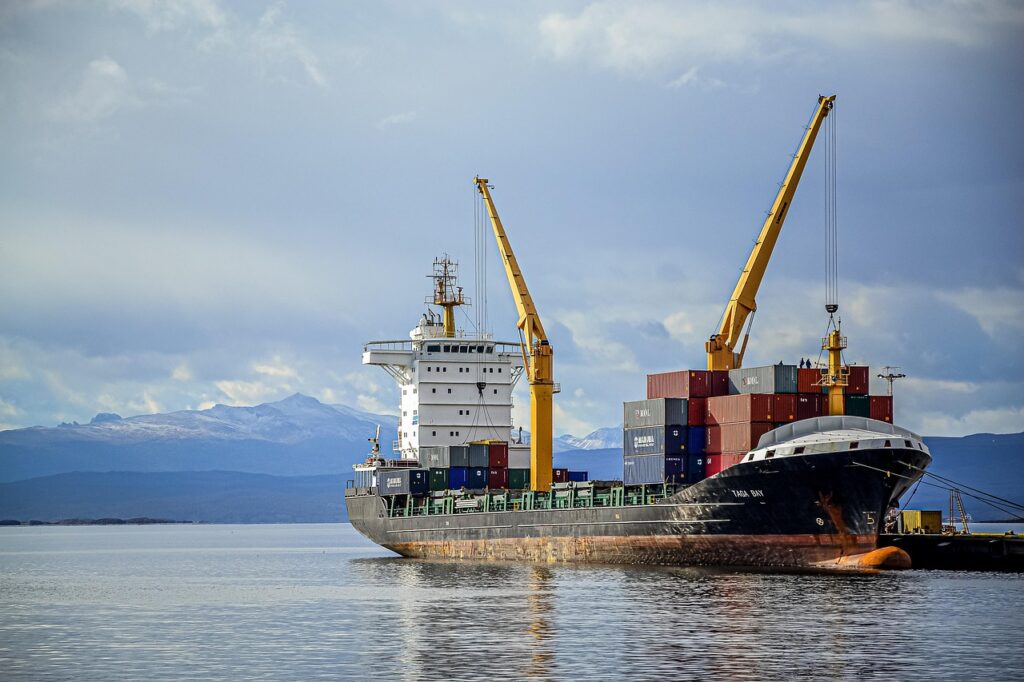

Union Commerce Minister Piyush Goyal challenged Indian industry leaders to abandon their comfort zones during a Board of Trade meeting held in New Delhi this week, asserting that the nation must aggressively pursue a $1 trillion export target. Addressing key stakeholders, Goyal emphasized that while the goal is ambitious, it remains well within reach as global economies increasingly seek to diversify supply chains and strengthen trade partnerships with India.
The Strategic Shift in Global Trade
The push for a $1 trillion export milestone comes as India positions itself as a critical pillar in the global manufacturing landscape. For decades, Indian exporters have relied heavily on traditional markets and established products, but the current geopolitical climate necessitates a shift toward innovation and value-added manufacturing.
The Ministry of Commerce and Industry noted that global trade dynamics are currently favoring nations that can offer stability and scalable industrial capacity. By moving beyond low-value commodity exports, the government aims to capture a larger share of high-tech and service-oriented sectors.
Aligning Industry with Global Demand
Goyal’s call to action centers on the concept of “quality and competitiveness” as the primary drivers for market expansion. He urged firms to utilize existing government schemes, such as the Production Linked Incentive (PLI) programs, to modernize their operations and meet international standards.
Data from the Directorate General of Commercial Intelligence and Statistics indicates that India’s merchandise exports have shown resilience despite global inflationary pressures. However, experts argue that sustaining this momentum requires a departure from traditional business models that prioritize short-term margins over long-term market penetration.
Economists point out that India’s export basket has historically been concentrated in a few sectors, such as petroleum, gems, and jewelry. Diversifying into electronics, green energy components, and specialized chemicals will be essential to hitting the trillion-dollar mark, as these sectors represent the fastest-growing segments of international trade.
Expert Perspectives on Export Competitiveness
Trade analysts suggest that the government’s push is well-timed, given the “China Plus One” strategy adopted by many multinational corporations. Dr. Arpita Mukherjee, a professor at the Indian Council for Research on International Economic Relations (ICRIER), notes that while the target is achievable, it requires a synchronized effort between policy facilitation and private sector agility.
“The transition from a service-led economy to a manufacturing powerhouse requires significant logistics reform and improved ease of doing business at the state level,” Mukherjee stated. Industry leaders have largely welcomed the challenge, acknowledging that the current global appetite for Indian products provides a unique window of opportunity that may not remain open indefinitely.
Implications for the Future of Indian Industry
For the average business owner, this mandate signifies an era of increased scrutiny regarding quality control and operational efficiency. Companies that fail to integrate digital supply chain tools or adopt sustainable manufacturing practices may find themselves sidelined in an increasingly competitive global marketplace.
Looking ahead, observers should watch for upcoming trade policy updates that may offer further incentives for research and development. The success of this $1 trillion initiative will likely hinge on the private sector’s ability to scale production while maintaining the price competitiveness that has defined India’s market entry thus far. Future quarterly export data will serve as the primary barometer for whether domestic firms are successfully breaking out of their comfort zones to meet these ambitious national objectives.