
Introduction to the West Bank Outposts
A notable shift has emerged within certain communities in the region, involving young individuals who abandon conventional lifestyles. These groups establish unauthorized encampments and agricultural outposts across disputed territories. Driven by strong ideological convictions, these settlers believe they are reclaiming ancestral lands granted through divine heritage. This movement operates largely outside official legal frameworks, creating persistent friction with local populations and regional authorities alike.
Ideological Motivations and Belief Systems
The driving force behind these nomadic outposts stems from deeply held religious and nationalist doctrines. Participants often view their actions as fulfilling a higher mandate rather than adhering to civil statutes. This perspective shapes their daily routines, interactions, and refusal to acknowledge established administrative boundaries. By framing their presence as an inevitable historical correction, these groups maintain high levels of commitment despite facing legal challenges and security crackdowns.
Impact on Local Communities
The expansion of these unauthorized sites has significantly altered the landscape for neighboring residents. Tensions frequently escalate as land usage disputes intensify, affecting daily commerce, agricultural activities, and freedom of movement. Community leaders and human rights organizations have repeatedly documented instances of confrontation, highlighting the precarious security situation that develops wherever these new encampments are established.
Legal and Governmental Responses
Authorities face complex challenges when addressing the proliferation of unauthorized outposts. While legal frameworks exist to regulate land development and residency, enforcement is often complicated by political pressures and ideological resistance. State agencies navigate a delicate balance between upholding the rule of law and managing the broader geopolitical sensitivities associated with territorial claims in the West Bank.
Socioeconomic Backgrounds of Participants
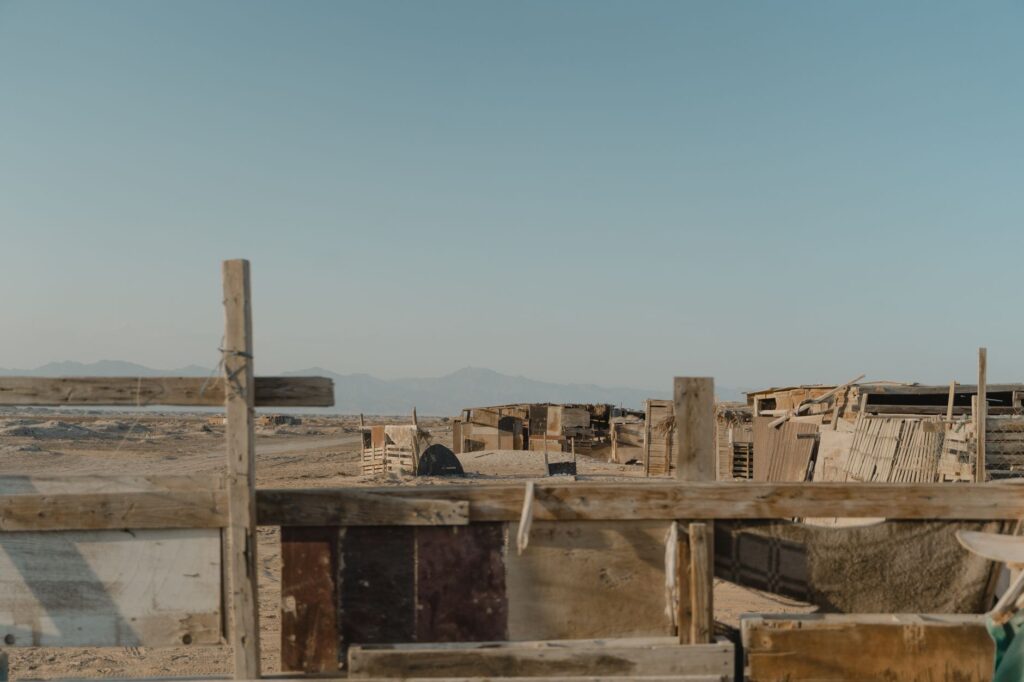
Many of the individuals joining these remote settlements come from urban centers and mainstream educational backgrounds. Their transition to a nomadic, rural lifestyle represents a deliberate rejection of modern societal norms. Living in rudimentary shelters without standard municipal services, these participants rely on community networks and external donations to sustain their daily existence while pursuing their territorial objectives.
Future Outlook for Regional Stability
The presence of ideological squatters remains a significant variable in the ongoing diplomatic and security equations of the region. As long as divergent interpretations of land ownership and divine entitlement persist, finding a sustainable resolution will remain difficult. Policymakers continue to grapple with the long-term implications of these outposts on community relations and regional governance.