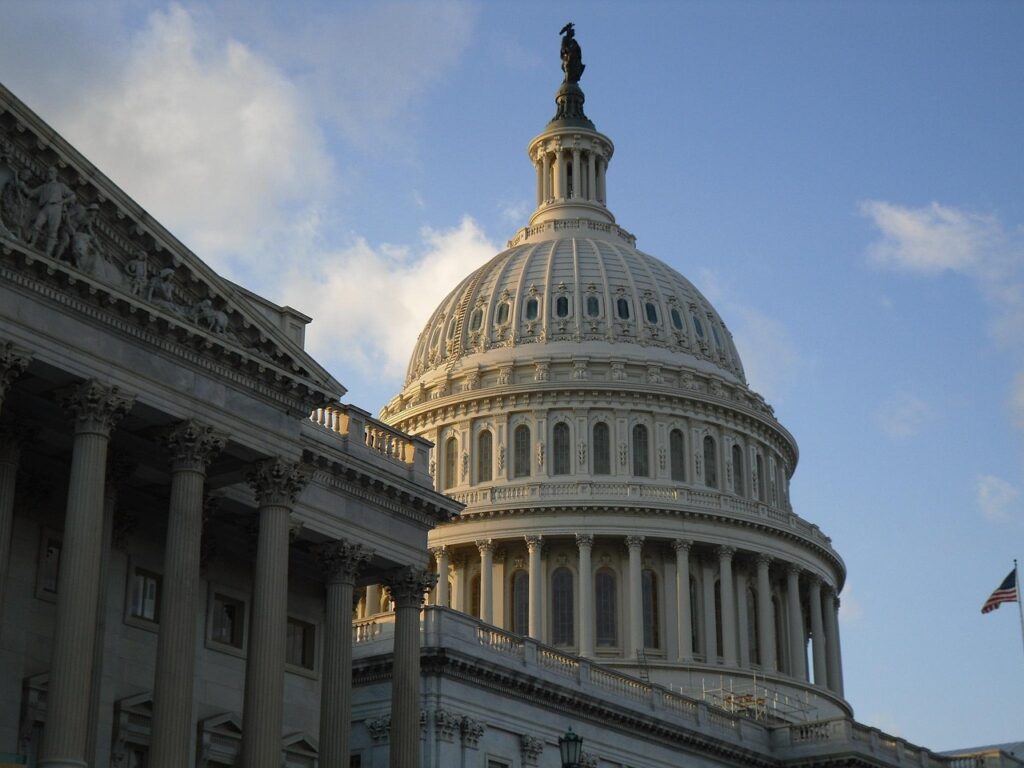

Securing the Nation’s Birthday
Federal and local law enforcement agencies have designated this year’s Fourth of July celebrations in Washington, D.C., as a National Special Security Event (NSSE), the highest security classification available for domestic gatherings. As the capital prepares to host hundreds of thousands of spectators, the Department of Homeland Security, the Secret Service, and the Metropolitan Police Department have implemented an unprecedented logistical grid to protect the National Mall and surrounding corridors. This classification, triggered by the event’s potential as a high-profile target, mandates a multi-agency response designed to mitigate threats ranging from crowd-control challenges to sophisticated acts of terrorism.
The Evolution of the NSSE Framework
The NSSE designation is not a routine occurrence; it is reserved for events of significant national importance that require extraordinary federal coordination. By elevating the Fourth of July to this status, the federal government unlocks specialized resources, including advanced surveillance technology, intelligence sharing networks, and additional personnel from the FBI and the National Guard.
Historically, the National Mall has been a focal point for both celebration and protest, necessitating a delicate balance between public access and site security. Recent years have seen a shift in security posture, moving from reactive measures to a proactive, intelligence-led approach that monitors potential domestic and international threats weeks before the first firework is launched.
Tactical Operations and Public Safety
The security perimeter for the celebration involves a complex layering of physical and digital barriers. Law enforcement officials have confirmed the deployment of heavy vehicle mitigation barriers, K-9 units trained in explosive detection, and tactical teams positioned at strategic vantage points across the District.
Aerial security remains a primary concern for event organizers. The Federal Aviation Administration (FAA) typically institutes strict temporary flight restrictions (TFRs) over the capital, effectively creating a no-fly zone for civilian and commercial aircraft. This is supplemented by counter-unmanned aircraft systems (C-UAS) capable of detecting and neutralizing unauthorized drones that pose a risk to the dense crowds gathered below.
The Integration of Intelligence and Technology
Data-driven security is the hallmark of modern NSSE operations. The Secret Service leads a multi-agency command center, where real-time feeds from security cameras, public safety sensors, and social media monitoring tools are synthesized to provide a comprehensive operational picture. According to the Department of Homeland Security, this centralized approach allows commanders to deploy resources dynamically based on shifting crowd densities and emerging situational intelligence.
Experts in urban security note that the primary challenge is the sheer geography of the event. Protecting an open-air site like the National Mall requires shielding miles of perimeter while maintaining the public’s ability to traverse the city. This necessitates a ‘concentric circle’ strategy, where security measures become progressively more stringent as attendees move closer to the primary stage and the fireworks launch zones.
Implications for Future Public Gatherings
The rigorous security protocols seen in D.C. signal a broader trend in how major American cities manage mass-attendance events. As the threat landscape evolves, the line between military-grade security and public festival spaces continues to blur, forcing city planners to prioritize safety infrastructure as a permanent feature of civic design.
Looking ahead, observers should watch for the integration of biometric facial recognition and AI-driven behavior analytics in future large-scale events. While these technologies offer enhanced safety, they also invite ongoing debates regarding civil liberties and the privacy expectations of citizens in public spaces. As D.C. sets the gold standard for NSSE compliance, other municipalities are expected to adopt similar, high-tech defensive postures for their own major celebrations in the coming years.