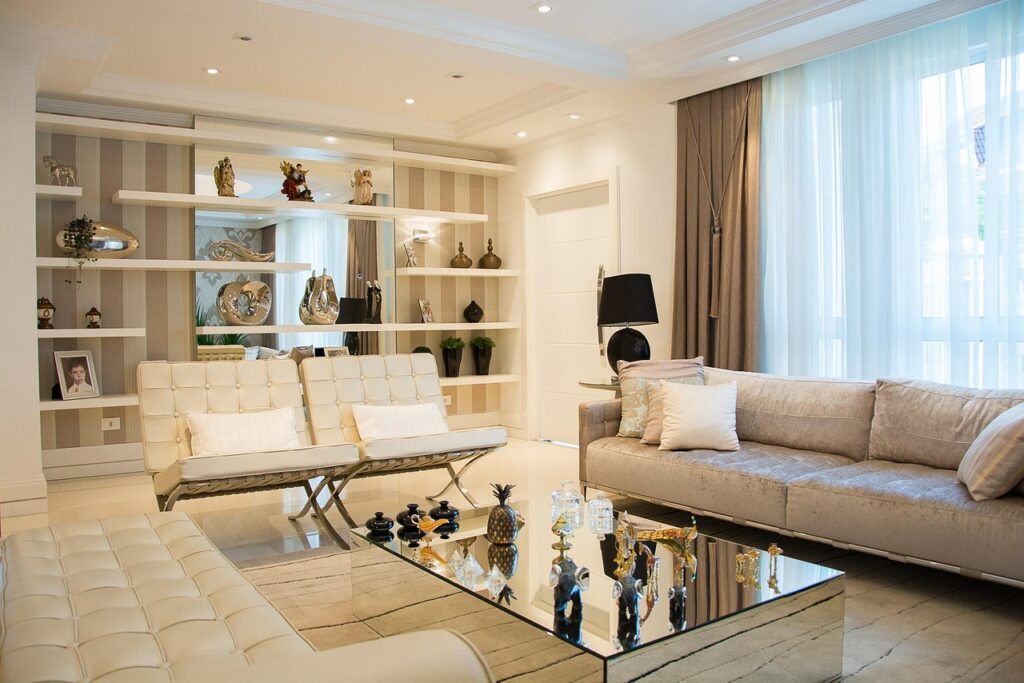

Homeowners across the United States are increasingly turning to tactical interior upgrades this year as rising construction costs and interest rates make full-scale renovations financially prohibitive. By focusing on high-impact, low-cost modifications—specifically lighting, hardware, feature walls, window treatments, and architectural molding—residents are successfully elevating their home’s aesthetic without the disruption or expense of traditional remodeling.
The Shift Toward Strategic Home Improvement
The current housing market has fundamentally altered consumer behavior regarding home improvement. Data from the Joint Center for Housing Studies of Harvard University indicates that while spending on residential improvements remains high, homeowners are shifting from large-scale structural renovations to smaller, more manageable projects that offer immediate visual returns.
This trend is driven by a desire to improve living environments while maintaining fiscal responsibility. Rather than pursuing comprehensive floor plan changes, designers are prioritizing “high-leverage” updates that fundamentally change the atmosphere of a room.
Modernizing Through Lighting and Hardware
Lighting serves as the jewelry of a home, and replacing builder-grade fixtures remains one of the most effective ways to signal luxury. Modern interior designers emphasize that warm-toned, layered lighting—combining overhead fixtures with floor and table lamps—instantly creates a sophisticated environment.
Hardware updates provide a similar return on investment. Swapping out standard cabinet knobs and door handles for high-quality, matte black or brushed brass finishes can make dated cabinetry appear custom-made. This simple switch leverages the principle of tactile quality, where the weight and finish of hardware influence the perceived value of the entire piece.
The Power of Architectural Detail and Color
Feature walls have evolved beyond simple paint jobs into architectural statements. Installing wainscoting, shiplap, or board-and-batten molding adds depth and character to otherwise flat drywall, lending a home the appearance of historic or custom craftsmanship.
Window treatments also play a critical role in elevating a space. Professionals consistently advise moving curtain rods higher and wider than the window frame itself, using floor-to-ceiling drapery to create the illusion of height and luxury. According to interior design retail reports, high-quality linen or velvet textures in neutral tones are currently the most popular choices for achieving a high-end look on a budget.
Industry Implications and Future Outlook
These design trends reflect a broader movement toward “quiet luxury” in residential spaces, where quality and subtle detail replace overt displays of wealth. For the industry, this signals a continued demand for modular, DIY-friendly products that offer professional-grade aesthetics.
Moving forward, homeowners should watch for the integration of smart-home technology into these budget-friendly updates. As voice-controlled lighting systems and motorized window blinds become more affordable, they will likely become the next standard inclusion in high-impact, low-cost home styling. The focus will remain on personalization, with an emphasis on durable materials that provide long-term visual appeal.