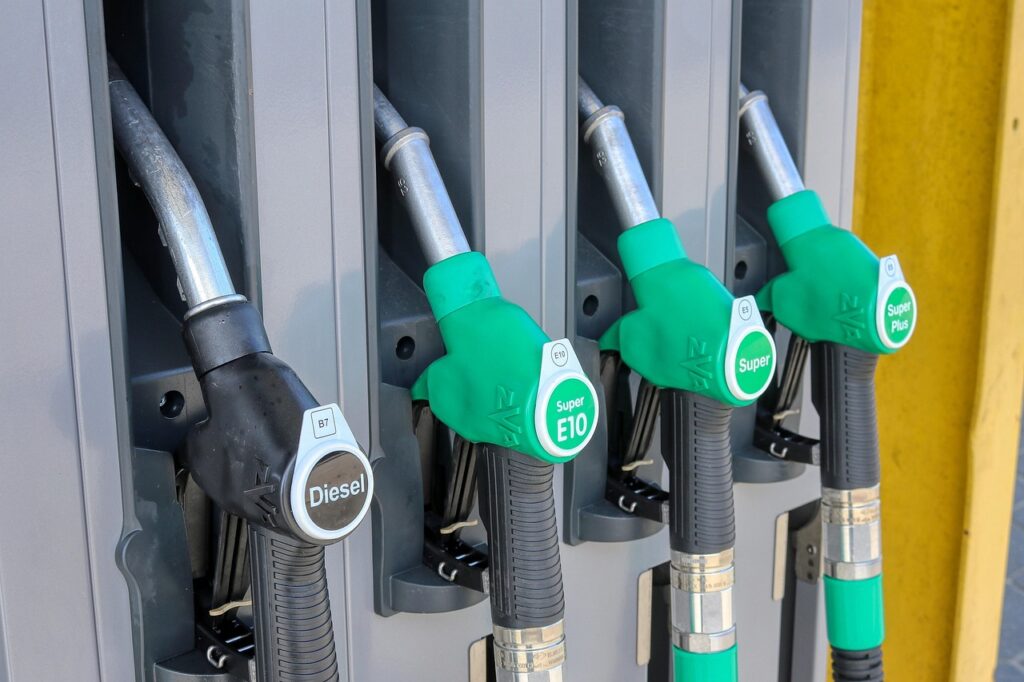

Government Defends Ethanol Strategy
The Indian government, in a formal statement released this week, has reaffirmed its commitment to the national ethanol blending program, asserting that the policy is backed by extensive scientific trials and global best practices. This official clarification comes as concerns persist among stakeholders and political figures regarding the long-term impact of high-blend ethanol on vehicle performance and agricultural supply chains. Former Delhi Chief Minister Arvind Kejriwal recently announced his intention to escalate the matter by writing directly to Prime Minister Narendra Modi, seeking a comprehensive review of the program’s current implementation trajectory.
The Context of India’s Biofuel Drive
India’s Ethanol Blended Petrol (EBP) program aims to reduce the nation’s massive crude oil import bill, which currently accounts for a significant portion of the country’s foreign exchange outflow. The government set an ambitious target to reach 20% ethanol blending in petrol, known as E20, by 2025-26. By utilizing surplus sugarcane and grain stocks, the initiative is designed to provide a dual benefit: stabilizing energy security and bolstering the income of domestic farmers through increased demand for biomass feedstock.
Technical Challenges and Industry Concerns
Despite the government’s insistence on safety, automobile industry experts have raised questions regarding the technical compatibility of existing vehicle engines with higher ethanol concentrations. Ethanol is hygroscopic, meaning it attracts water, which can lead to corrosion in fuel systems and degradation of rubber components in older vehicle models. While new vehicles are increasingly designed to be ‘E20 compliant,’ the vast legacy fleet of two-wheelers and passenger cars remains a point of contention.
Data from the Society of Indian Automobile Manufacturers (SIAM) suggests that while engine adjustments are feasible, the transition requires rigorous calibration to prevent efficiency losses. Critics argue that the rapid rollout may outpace the technical readiness of the aftermarket service sector. Furthermore, environmental analysts have questioned the water intensity of sugarcane cultivation, noting that the crop requires significant irrigation, which could offset the carbon reduction benefits of the biofuel itself.
The Political Dimension
The opposition’s involvement, led by figures like Arvind Kejriwal, elevates the debate from a technical policy issue to a national political discourse. The push for a review highlights growing anxiety over the potential for increased fuel prices and the impact of diverting food-grade grains toward fuel production. Supporters of the government’s plan, however, point to the successful implementation of similar programs in Brazil and the United States as proof that a phased transition is both sustainable and beneficial for the macroeconomy.
Looking Ahead: Future Implications
Market watchers are now tracking the potential for a formal parliamentary inquiry or a revised roadmap that might include additional consumer protections. As the deadline for the E20 mandate approaches, the government is expected to intensify its public awareness campaigns to address consumer anxiety regarding engine health and fuel economy. The industry must prepare for a significant shift in supply chain logistics, as fuel retailers and refineries recalibrate their infrastructure to handle the increased volume of ethanol distribution. Whether the government proceeds with the current timeline or introduces a staggered implementation strategy will depend heavily on the feedback from upcoming pilot studies and the outcome of high-level political dialogues.