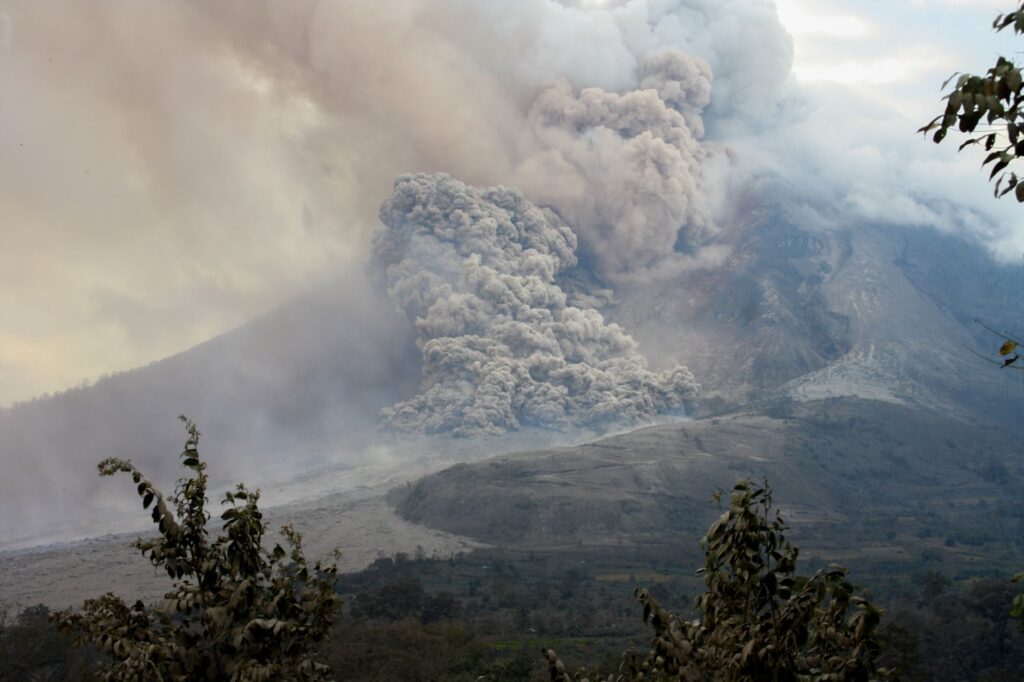

A massive volcanic eruption in Indonesia has triggered widespread disruptions, impacting aviation and daily life across the region. Authorities have reported significant challenges as heavy volcanic ash blankets the sky, prompting immediate safety measures to protect local residents and travelers.
The scale of the disruption became apparent when airport operators confirmed that flight operations suffered major setbacks. Hundreds of travelers found themselves stranded at major transportation hubs as authorities halted departures and arrivals to ensure safety.
Aviation Disruption Details
According to official reports from airport management, the suspension affected a total of 301 flights. This disruption included 58 international services, highlighting the global reach of the logistical nightmare caused by the natural disaster.
Passengers filled terminal waiting areas as airlines worked to reschedule routes and provide updates. Aviation officials emphasized that flying through volcanic ash poses severe risks to aircraft engines and visibility, making flight suspensions a necessary precaution.
Impact on Local Communities
Beyond the skies, the eruption has heavily impacted communities on the ground. Educational institutions received orders to close their doors indefinitely as thick layers of ash descended upon neighborhoods.
Health officials advised residents to remain indoors and wear protective gear if stepping outside becomes unavoidable. The microscopic particles present in volcanic ash can cause severe respiratory issues and irritation to the eyes and skin.
Emergency Response and Monitoring
Local disaster management teams are actively monitoring the volcano’s activity levels. Emergency services remain on high alert to respond to any further developments or secondary eruptions that might occur in the coming days.
Government agencies continue to coordinate relief efforts, distributing masks and issuing regular safety advisories. Authorities have urged the public to stay informed through official channels and to strictly follow evacuation warnings if issued for high-risk zones.
As the region grapples with the aftermath of this explosive event, the focus remains on ensuring public safety and gradually restoring essential transportation networks once conditions stabilize.