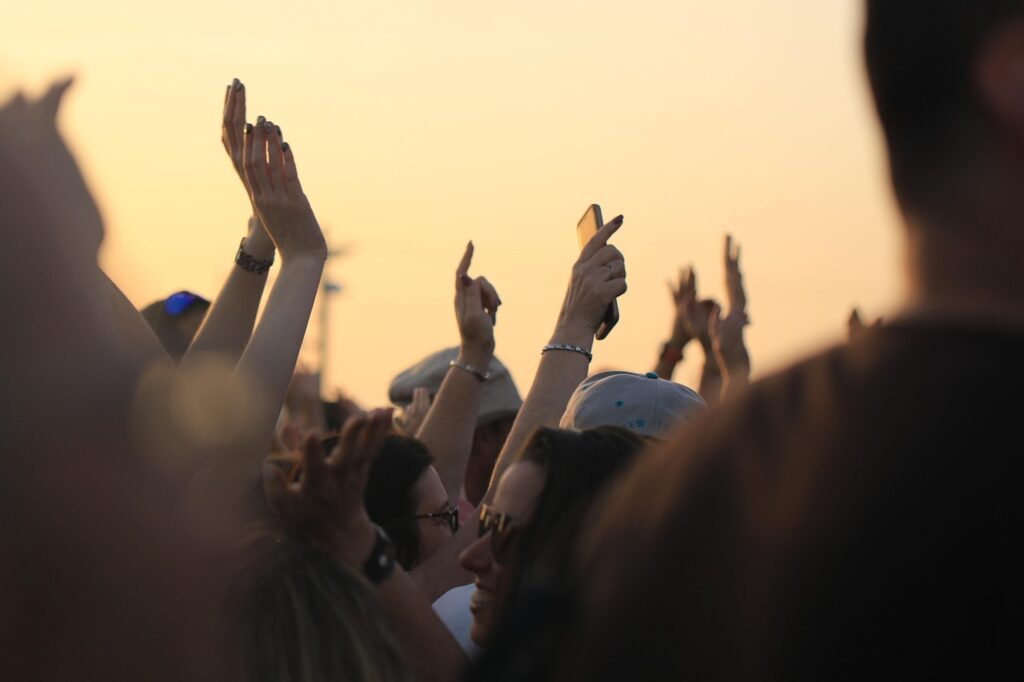

Across the United States, citizens gathered in record numbers this week to commemorate the nation’s 250th anniversary, despite a persistent and oppressive heat wave that blanketed much of the country. From municipal fireworks displays to localized historical reenactments, the Semiquincentennial festivities remained largely undeterred by temperatures that soared well into the triple digits in several major metropolitan areas.
The Historical Context of the Semiquincentennial
The 250th anniversary, or Semiquincentennial, marks a significant milestone in American history, tracing back to the signing of the Declaration of Independence in 1776. Planning for this multi-year observation has been underway for over a decade, with the federal government establishing the U.S. Semiquincentennial Commission to coordinate nationwide programming.
The initiative aims to reflect on the nation’s progress, address its complex history, and foster civic engagement. Unlike previous centennial celebrations, this event relies heavily on a decentralized model, encouraging individual states and local communities to curate their own unique expressions of American identity.
Navigating Logistical Challenges
The intense heat wave presented significant logistical hurdles for organizers tasked with managing large outdoor crowds. Public health officials in cities like Philadelphia and Washington, D.C., deployed additional cooling stations and emergency medical personnel to manage heat-related illnesses among attendees.
Despite the environmental warnings, public participation remained robust. Data from local transit authorities indicated ridership levels consistent with major holiday events, suggesting that the public desire to engage with the milestone outweighed concerns regarding the extreme weather conditions.
Economic and Cultural Impacts
The celebration provides a notable boost to the tourism and hospitality sectors, which have been seeking a post-pandemic resurgence. Industry analysts note that travel bookings spiked in historic districts, as visitors sought to participate in educational programming and commemorative tours.
Beyond the economic metrics, the anniversary serves as a focal point for cultural reflection. Museums and historical societies have utilized the occasion to launch new digital archives and interactive exhibits designed to engage younger generations in the nuances of the American experience.
Looking Toward the Future
As the initial wave of anniversary festivities concludes, the focus shifts toward the long-term legacy of the Semiquincentennial. Observers will be watching to see how the commemorative projects, particularly those focused on historical preservation and educational outreach, sustain momentum beyond the current calendar year.
Future programming is expected to emphasize inclusivity, with planners currently vetting proposals for projects that highlight underrepresented narratives within the American story. The success of these upcoming phases will likely depend on continued public interest and the ability of local organizations to maintain the collaborative spirit seen during this week’s celebrations.