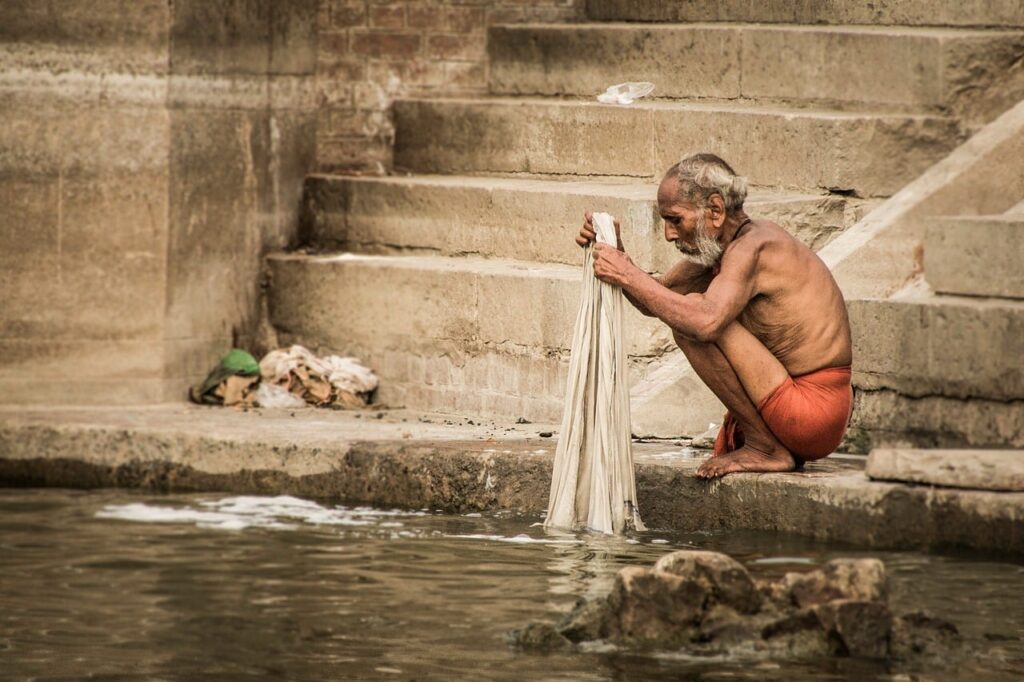

BrijRama Palace in Varanasi has launched a curated culinary and cultural program this month, positioning the 200-year-old heritage property as a gateway for immersive travel experiences along the Ganges river. By integrating the local flavors of their new ‘Aangan’ tasting menu with curated excursions to ancient akharas and local landmarks, the hotel is pivoting from traditional luxury accommodation toward a holistic, experience-driven model of hospitality.
The Evolution of Heritage Hospitality
Varanasi, one of the world’s oldest continuously inhabited cities, has long attracted pilgrims and tourists seeking spiritual connection. However, the hospitality sector in the region is shifting, moving beyond simple lodging to curate experiences that bridge the gap between historical preservation and modern luxury tourism.
BrijRama Palace, a structure dating back to the 18th century, serves as the focal point of this shift. Its strategic location on the Darbhanga Ghat allows guests to engage directly with the rhythm of the river, which remains the central artery of the city’s social and religious life.
Culinary Narratives and Traditional Disciplines
The centerpiece of the new offering is the Aangan tasting menu, which draws heavily on the diverse culinary history of Uttar Pradesh. Chefs at the palace have focused on sourcing hyper-local ingredients to recreate traditional recipes that were once staples of the region’s elite households.
Beyond the table, the hotel is facilitating access to the city’s traditional wrestling gymnasiums, known as akharas. These 450-year-old institutions represent a disciplined way of life, where practitioners engage in rigorous physical training using traditional wooden clubs called mudgars. Guests are now invited to observe these sessions, providing a rare glimpse into a culture that has remained largely unchanged for centuries.
Expert Perspectives on Cultural Tourism
Industry analysts suggest that the demand for ‘authentic’ travel experiences has risen by 30% among luxury demographics over the past three years. According to travel data from the World Tourism Organization, travelers are increasingly prioritizing properties that offer direct access to local heritage and artisanal crafts over standard amenity-based luxury.
Dr. Anjali Verma, a researcher of North Indian cultural heritage, notes that such initiatives are vital for the preservation of dying traditions. “When luxury hotels integrate the local akhada culture or regional culinary arts into their business model, they provide a financial incentive for these ancient practices to survive,” Verma stated.
Future Implications for the Region
For visitors, this trend signals a move toward more structured, educational travel. The success of the BrijRama model suggests that future hospitality developments in Varanasi will likely mirror this integration, focusing on partnerships with local artisans, street food vendors, and traditional practitioners.
As Varanasi continues to modernize its infrastructure, the challenge for the tourism industry will be to maintain this delicate balance between accessibility and preservation. Observers should look toward upcoming seasonal programming in the city, which is expected to expand these immersive offerings to include more community-led workshops and heritage walks throughout the coming year.