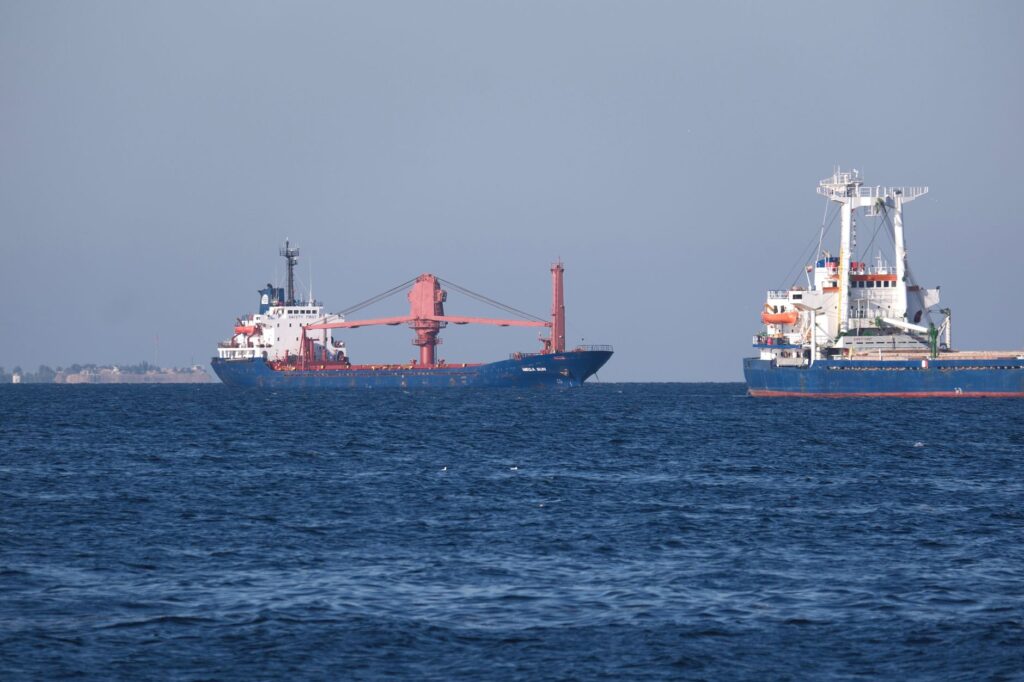

Rising Tensions in the Persian Gulf
Geopolitical friction between Tehran and Washington has intensified dramatically following recent security incidents involving oil vessels in the Persian Gulf region. Iranian officials have issued strong statements indicating that the rules of engagement in modern conflicts have fundamentally transformed. This latest development underscores a deepening crisis between the two nations, which have been locked in a prolonged cycle of diplomatic posturing and strategic maneuvering.
The broader context of this escalation involves a sustained campaign by Washington to increase financial and economic pressure on the Islamic Republic. Through various punitive measures and trade restrictions, the United States aims to curb Iranian influence and economic stability. In response, Tehran has consistently signaled its refusal to yield to external coercion, maintaining a posture of deterrence and readiness to respond to perceived threats.
A Paradigm Shift in Modern Warfare
According to high-ranking officials in Tehran, the recent maritime incidents serve as a clear indicator that the operational dynamics of regional conflict have evolved. The assertion that the rules of war have changed reflects a broader strategic calculation by Iranian leadership. By emphasizing a shift in tactical capabilities and responses, the government aims to communicate that any future hostile actions by foreign adversaries will encounter immediate and severe consequences.
Analysts note that the Persian Gulf remains one of the most critical and sensitive waterways for global energy transit. Any disruption to maritime traffic in this strategic chokepoint carries profound implications for international trade and petroleum markets. The recent tanker incidents have therefore raised alarm bells across global capitals, prompting calls for de-escalation and diplomatic engagement to prevent a wider military confrontation.
The Economic Dimension of the Standoff
At the heart of the current crisis is the relentless economic pressure applied by the United States. Washington has utilized comprehensive sanctions targeting key sectors of the Iranian economy, including energy, banking, and shipping. The objective has been to force a renegotiation of regional policies and nuclear ambitions. However, Tehran has countered these measures through strategic alliances and alternative economic channels, blunting the intended impact of the sanctions.
The interplay between economic sanctions and kinetic incidents in the Gulf highlights the volatile nature of the bilateral relationship. As financial constraints tighten, the potential for miscalculation increases significantly. Observers suggest that both sides are navigating a delicate balance between projecting strength and avoiding a catastrophic all-out conflict that could destabilize the entire Middle East.
International Reactions and Future Outlook
Global powers and regional actors are closely monitoring the unfolding situation with deep concern. European nations and Asian energy importers, in particular, have a vested stake in maintaining freedom of navigation and stability in the Gulf. Diplomatic channels remain active, though progress has been slow given the deep-seated distrust between Washington and Tehran.
As the situation continues to develop, the international community faces the challenge of fostering dialogue amidst escalating rhetoric. The explicit warnings issued by Iranian authorities regarding a more painful response leave little room for complacency. Ensuring maritime security and preventing further escalation will require concerted diplomatic efforts and a willingness from both major players to address the root causes of regional instability.