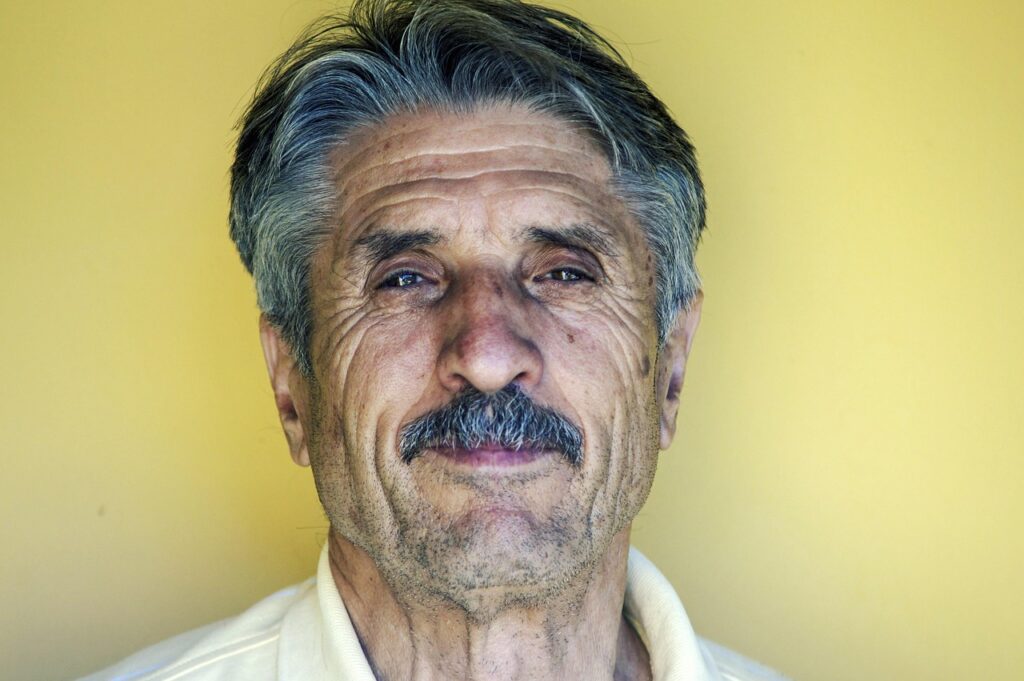

In a project fueled by historical urgency, a young volunteer is traveling across the United States this summer to conduct and archive video interviews with the dwindling population of World War II veterans. As the nation celebrates Independence Day, this initiative highlights a stark reality: the generation that fought to secure global democracy is rapidly fading, with fewer than one percent of the 16 million Americans who served in the conflict still alive today.
The Shrinking Window of History
According to the U.S. Department of Veterans Affairs, the number of living WWII veterans has dropped precipitously in recent years. Statistics suggest that of the 16 million who served, only approximately 100,000 remain, with hundreds passing away every single day.
This demographic decline has spurred a grassroots movement of historians, students, and documentarians. They aim to capture personal testimonies—the sights, sounds, and nuanced human experiences—that are often absent from official military records and textbooks.
The Methodology of Remembrance
The project focuses on the “real superhero” narratives of veterans who rarely spoke of their wartime experiences until their later years. By utilizing high-definition recording equipment and structured interview techniques, the volunteer ensures these oral histories are preserved in digital archives for future generations.
These interviews cover more than just combat operations. Participants share accounts of life in the barracks, the emotional toll of separation from family, and the profound shift in perspective that occurred upon returning to a country that had changed significantly during their absence.
Expert Perspectives on Oral History
Historians emphasize that oral history serves as a vital bridge between static documents and lived experience. Dr. Elena Rodriguez, a professor of modern history, notes that these personal accounts provide critical context that official logs frequently omit.
“When a veteran describes the sensory details of a landing or the specific camaraderie of a platoon, they are providing a layer of historical truth that preserves the humanity of the conflict,” Rodriguez explains. “Digital archiving allows these stories to remain accessible in perpetuity, preventing the total erasure of these individual perspectives.”
Broader Implications for Education and Research
For educators, this surge in archiving efforts represents a shift in how history is taught in the classroom. Instead of relying solely on broad strategic summaries, students can now engage with primary source material that puts a face and a voice to the global struggle.
The digitization of these interviews also creates a searchable repository for researchers. As the physical presence of veterans disappears, these recordings become the primary evidence for analyzing the social and psychological impacts of the war on the Greatest Generation.
Looking Ahead: The Digital Legacy
As the last of the WWII generation leaves us, the focus will likely shift from active interviewing to the management and accessibility of these vast digital archives. Observers should watch for how artificial intelligence and transcription technologies are integrated into these databases to make thousands of hours of audio and video searchable by keyword, location, and unit.
The ultimate goal remains to ensure that the individual stories of service are not lost to time. Future efforts will likely focus on cross-referencing these personal testimonials with newly declassified documents to create a more comprehensive digital record of the mid-20th century.