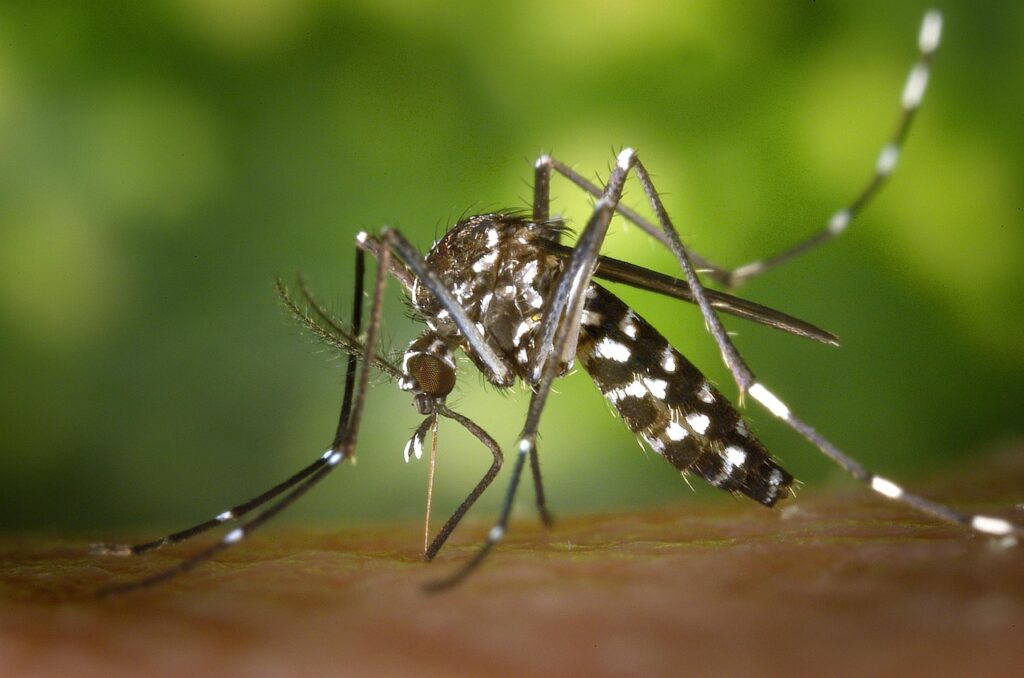

The Biological Feedback Loop
Researchers in Washington, D.C., have confirmed that the common childhood warning against scratching bug bites is rooted in complex neurological and dermatological science. While the physical act of scratching provides immediate, fleeting relief, it triggers a biological feedback loop that exacerbates inflammation, increases the risk of secondary infections, and prolongs the healing process.
Understanding the Itch-Scratch Cycle
The sensation of an itch, medically known as pruritus, serves as a protective mechanism intended to alert the body to potential irritants or parasites on the skin. When an insect bites, it injects saliva containing proteins that the human immune system identifies as foreign, triggering the release of histamine from mast cells.
This histamine release creates a localized inflammatory response, which the brain interprets as an itch. Scratching disrupts this sensation by introducing a mild, competing pain signal that momentarily distracts the nervous system. However, this relief is temporary and deceptive.
The Physiological Consequences of Scratching
According to dermatological studies, scratching causes micro-tears in the epidermis, the outermost layer of the skin. These lesions compromise the skin’s barrier function, allowing bacteria such as Staphylococcus aureus to enter the bloodstream or deeper tissue layers.
Furthermore, the act of scratching stimulates the release of serotonin in the brain. Rather than calming the itch, serotonin has been shown in various animal studies to interact with specific neurons in the spinal cord that actually intensify the itch sensation, creating a self-perpetuating loop known as the itch-scratch cycle.
Expert Perspectives on Skin Management
Medical experts emphasize that the secondary damage caused by fingernails often exceeds the initial harm caused by the insect. Dr. Sarah Jenkins, a clinical dermatologist, notes that the mechanical trauma to the skin surface often leads to post-inflammatory hyperpigmentation, or dark spots, that can persist long after the bite has healed.
Data from the American Academy of Dermatology suggests that topical treatments, such as hydrocortisone creams or calamine lotion, are significantly more effective than physical intervention. These treatments work by suppressing the immune response directly at the site of the bite, rather than merely distracting the nervous system.
Future Implications for Dermatological Care
The industry is now looking toward advanced neuro-dermatology to develop treatments that disrupt the itch signal before it reaches the brain. As research continues to map the specific pathways between the skin and the central nervous system, consumers should expect a shift toward targeted anti-pruritic medications that bypass the need for physical relief.
In the coming months, public health officials anticipate that educational campaigns will focus more heavily on the dangers of secondary bacterial infections resulting from neglected bug bites. For the average individual, the priority remains clear: cooling the skin and utilizing pharmacological barriers is the only way to effectively break the cycle and ensure rapid recovery.