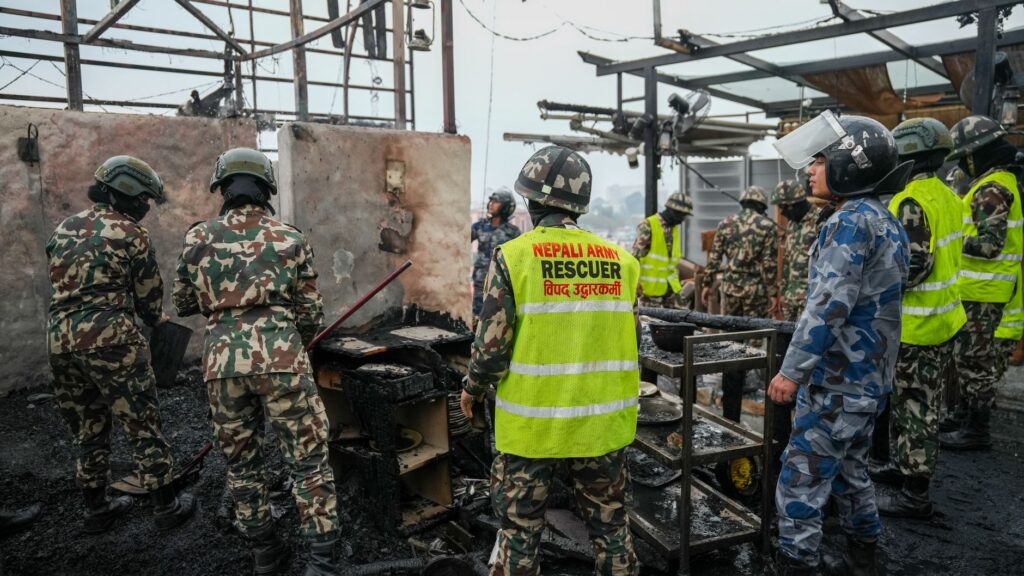

Emergency Response Efforts Advance
Search and rescue operations in the Himalayan region are pushing forward with renewed determination. Recent breakthroughs in locating survivors have provided a much-needed boost to emergency teams working tirelessly in hazardous terrain. The ongoing mission follows a catastrophic natural event that struck the border area between China and Nepal.
The Scale of the Disaster
The disaster was triggered by a massive glacial and mountain collapse that overwhelmed the affected areas. According to official reports, the catastrophic event resulted in the deaths of at least 1,385 people across the two impacted nations. Furthermore, the calamity has left more than 5,500 individuals still listed as missing, prompting an extensive international and local response.
Challenges in the Field
Rescuers face extraordinary obstacles as they navigate the unstable terrain left behind by the collapse. High altitudes, unpredictable weather, and compromised infrastructure severely hinder the movement of heavy equipment and personnel. Despite these formidable barriers, specialized teams continue to scour the debris for signs of life and to recover victims.
International and Local Coordination
Authorities on both sides of the border are coordinating relief efforts to maximize efficiency. Medical personnel, canine units, and engineering squads are working in tandem to clear blocked pathways and reach isolated communities. Supplies are being airlifted into cut-off zones to support both the rescue workers and the displaced populations.
Looking Ahead
As the search operations press into their demanding next phases, the focus remains firmly on rescue and recovery. The tragic event highlights the growing vulnerabilities of high-altitude regions to catastrophic environmental shifts. While the path to recovery for Nepal and its neighbors will be long and arduous, the dedication of the rescue teams offers a beacon of hope amid the devastation.