
The Landscape of Industry Backlash
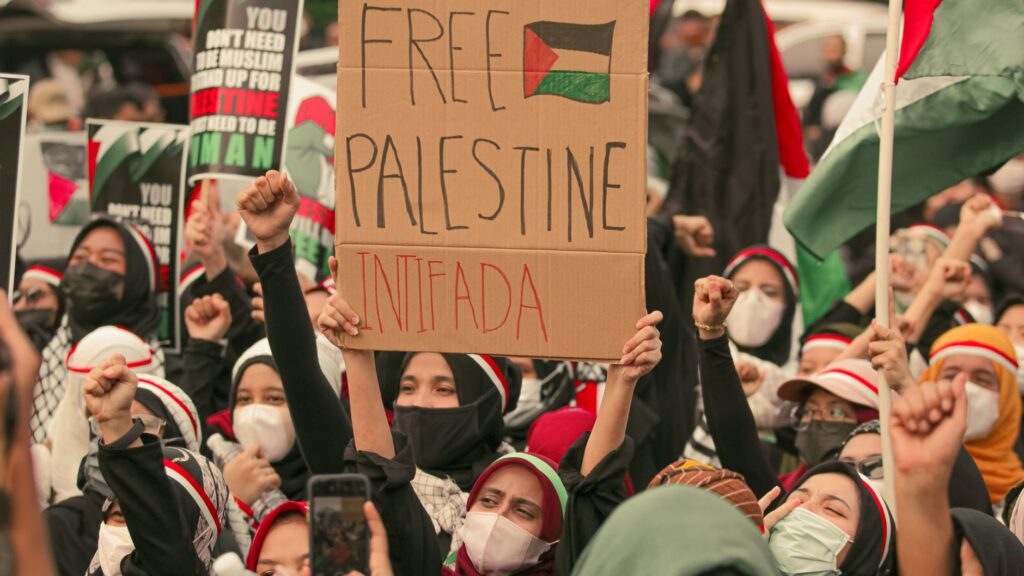
Academy Award-winning actor Susan Sarandon has once again spoken openly about the professional consequences she faces in the entertainment industry. Speaking at a prominent international film event, the veteran performer confirmed that she continues to experience a significant loss of employment opportunities. According to the actor, her public advocacy and outspoken positions regarding the situation in Palestine have directly impacted her career longevity and ongoing participation in major cinematic projects.
During her appearance at the Venice Film Festival, Sarandon addressed the ongoing challenges she navigates within the contemporary movie business. Industry professionals and festival attendees listened as she detailed the practical realities of expressing controversial political viewpoints while maintaining a high-profile career in mainstream American cinema. Her remarks shed light on the delicate balance many public figures attempt to strike between personal activism and professional survival.
Lost Projects and Professional Repercussions
Sarandon revealed that the fallout from her advocacy has manifested in tangible ways, including the abrupt removal from film projects that were previously secured. In the competitive environment of commercial filmmaking, the loss of roles represents not only a creative setback but also a financial and professional hurdle. The actor noted that studios and production houses often retreat from controversial figures to mitigate potential risks associated with public scrutiny and polarized audiences.
The mechanics of this professional exclusion involve various layers of the industry hierarchy, from studio executives to talent representation agencies. By sharing these experiences publicly, Sarandon aims to highlight a broader pattern of caution and risk aversion currently shaping casting decisions and project financing across major production hubs. This phenomenon underscores the vulnerabilities faced by artists who choose to engage in geopolitics outside the strict confines of entertainment.
The Role of Talent Agencies and Representation
Beyond losing specific acting roles, Sarandon pointed to the influential role played by talent agencies in managing public relations and industry relationships. She explained that major representation firms often advise their clients against taking controversial stances, sometimes actively discouraging potential employers from hiring artists whose political views might spark public debate or controversy.
This dynamic creates a complex environment for performers who wish to use their platforms for social and political commentary. When agencies caution against employment or fail to advocate for their clients amidst political friction, artists find themselves isolated within a system that prioritizes commercial safety over freedom of expression. Sarandon’s candid assessment provides a rare glimpse into the behind-the-scenes negotiations and warnings that typically remain shielded from public view.
Reflections on Activism and Longevity
Despite the clear professional costs, Susan Sarandon remains steadfast in her commitment to her beliefs and ongoing advocacy efforts. With a career spanning decades and an established legacy in classic American cinema, the actor has long combined her artistic pursuits with passionate social engagement, addressing issues ranging from anti-war movements to labor rights.
As the entertainment industry continues to grapple with the intersection of art, politics, and public opinion, Sarandon’s situation serves as a prominent case study in the modern cost of celebrity activism. Her ongoing experiences at major global platforms like the Venice Film Festival demonstrate that while the path of an activist artist comes with steep career penalties, some performers remain willing to accept those consequences in exchange for the freedom to speak their minds.