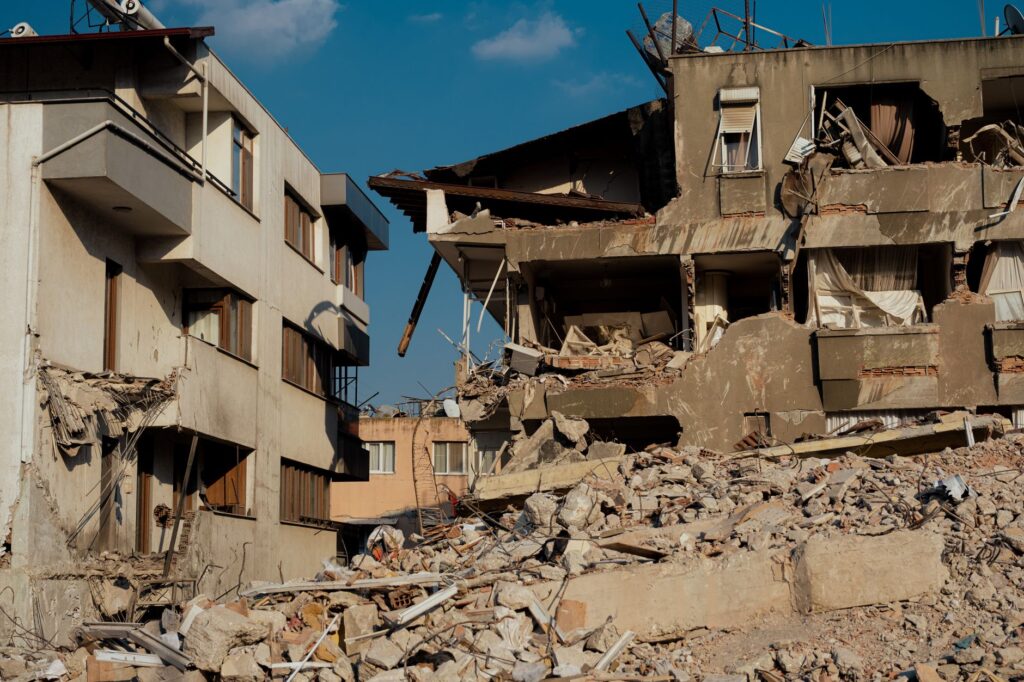

The recent structural failure in the Satya Niketan neighborhood has brought significant attention to local construction methods and building integrity. As authorities investigate the incident, technical details regarding the architecture of the collapsed property have begun to emerge, shedding light on the potential vulnerabilities associated with the building.
Structural Characteristics of the Property
According to initial technical evaluations, the paying guest accommodation that suffered the collapse was classified as a load-bearing structure. Unlike modern high-rise developments that typically rely on a sturdy reinforced cement concrete frame to distribute weight evenly, this particular building lacked such a framework.
Wall Thickness and Material Composition
Further inspection of the collapsed premises revealed specific details about the exterior and interior partitions. The structure was built using thin brick walls, which measured approximately four and a half inches in thickness. Experts note that walls of this dimension in a load-bearing configuration require careful adherence to engineering standards, particularly when accommodating multiple occupants or making unauthorized modifications.
Implications for Urban Housing
The incident has prompted renewed discussions among urban planners and safety officials regarding older and hastily converted properties in densely populated student and working-professional hubs. Evaluating the integrity of load-bearing walls and ensuring that structures are not overloaded beyond their original design capacity remain critical priorities for preventing future accidents in similar neighborhoods.