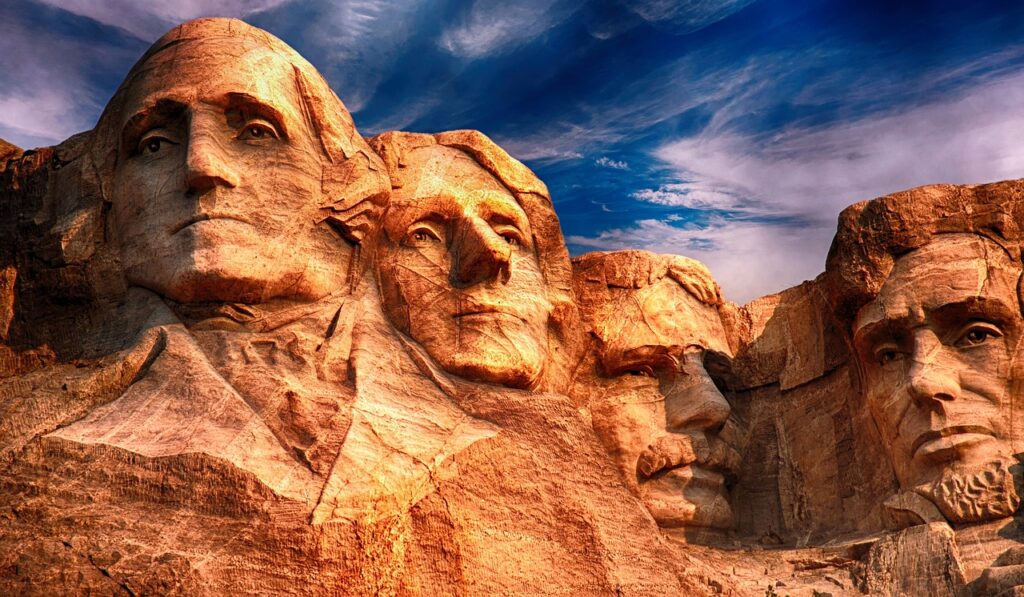

President Donald Trump delivered a pointed address at Mount Rushmore on Friday, framing the current political landscape as a precarious moment for the nation’s future ahead of his scheduled appearance on the National Mall for the America 250 celebrations. Speaking before a crowd in South Dakota, the President pivoted from traditional patriotic rhetoric to issue a stark warning to his political opponents, characterizing the upcoming era as a decisive battle for the identity of the United States.
The Context of the America 250 Milestone
The speech arrives as the country prepares for the semiquincentennial anniversary of the signing of the Declaration of Independence. The America 250 initiative is designed to commemorate the nation’s history, but the lead-up to these events has increasingly become a focal point for diverging political ideologies.
Mount Rushmore, a site historically associated with American resilience and leadership, served as a symbolic backdrop for the President’s commentary. By selecting this venue, the administration aimed to anchor its message in the historical legacy of the founding figures carved into the granite above.
Analyzing the Rhetorical Shift
Observers noted a distinct shift in tone during the Friday address, as the President moved beyond standard celebratory themes. While the initial portion of the speech focused on American achievements and values, the latter half intensified, focusing on what he described as a systemic threat to the nation’s foundational principles.
By directly addressing his political opposition, the President signaled a departure from the typical non-partisan nature of milestone anniversary speeches. Political analysts suggest this strategy is intended to galvanize his base by framing the upcoming national celebrations as a referendum on the country’s direction.
Expert Perspectives and Political Implications
Political strategists remain divided on the impact of such aggressive rhetoric during a period usually reserved for national unity. Some argue that the polarizing language serves to consolidate support among core voters who feel alienated by current cultural trends.
Conversely, critics highlight that such warnings may deepen existing societal fissures. Data from recent public sentiment polls indicate that a significant majority of voters are increasingly concerned about the stability of democratic institutions, a sentiment that both parties are now actively attempting to leverage for their respective agendas.
Looking Ahead: The National Mall and Beyond
As the focus shifts to the National Mall, observers are watching to see if the President maintains this confrontational posture or pivots to a more unifying message. The contrast between the South Dakota speech and the upcoming D.C. event will likely set the tone for the remainder of the anniversary year.
Industry experts suggest that the coming months will see an increase in high-stakes political campaigning, as both parties seek to define the narrative around the America 250 milestone. Stakeholders should monitor how these rhetorical strategies influence public discourse and the potential for increased political volatility as the election season intensifies.