
Municipal leaders across the Western United States have canceled traditional Independence Day fireworks displays this week, citing heightened wildfire risks amid record-breaking heat and dry vegetation. From parts of Colorado and Utah to California, local governments are prioritizing public safety and forest preservation over pyrotechnic celebrations as fire danger levels reach critical thresholds.
Context and Changing Climate Conditions
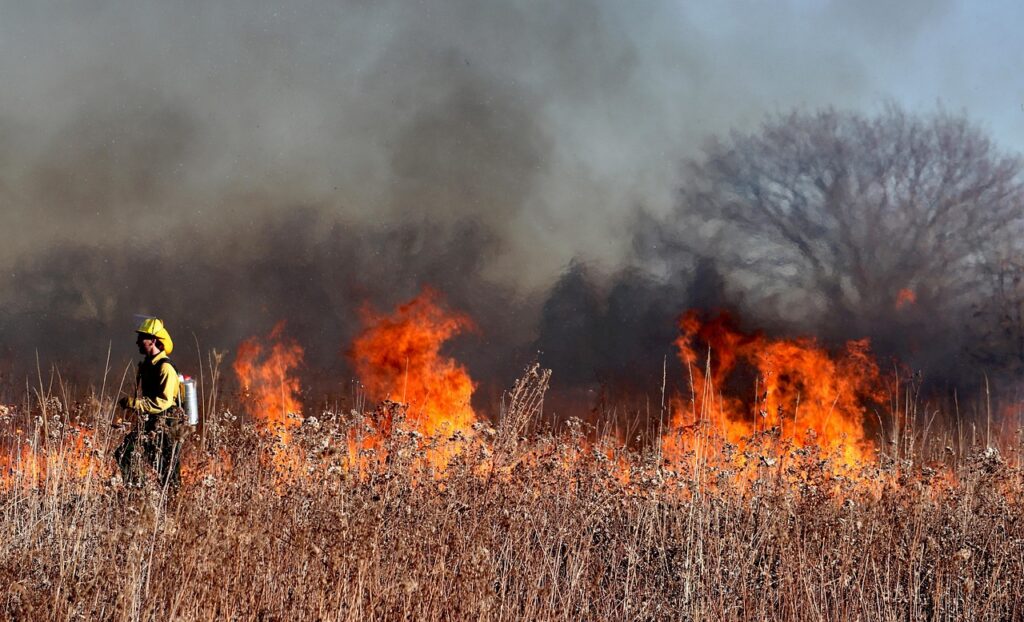
The decision to halt fireworks comes as the Western U.S. experiences an early and intense fire season. According to data from the National Interagency Fire Center (NIFC), drought conditions have left vast swaths of land parched, turning grass and brush into potential fuel for accidental ignitions.
Historically, July 4th has been a peak day for human-caused wildfires. Sparking fireworks in areas with low humidity and high winds creates an environment where a single ember can ignite a blaze that spreads rapidly across wildland-urban interfaces.
A Shift in Celebration Strategy
Local officials are moving away from traditional pyrotechnics in favor of alternative celebrations to mitigate risk. Many cities are transitioning to drone light shows, which offer visual spectacle without the risk of falling sparks or heat-intensive explosions.
“Our priority is the safety of our residents and the protection of our natural resources,” said a spokesperson for a municipal fire department in Northern Colorado. “The current fuel moisture levels are so low that we cannot justify the risk of a traditional display, regardless of the holiday tradition.”
Expert Perspectives on Fire Management
Fire ecologists note that the combination of climate change and urban expansion into forested areas has created a permanent shift in how communities must manage fire risks. Data from the Environmental Protection Agency (EPA) indicates that the frequency and intensity of wildfires in the West have increased significantly over the last two decades.
Experts emphasize that public awareness remains the most effective tool in fire prevention. Even in jurisdictions where fireworks are not officially banned, fire marshals are urging private citizens to abstain from backyard displays, noting that residential fireworks are a leading cause of preventable wildfires during the summer months.
Economic and Industry Implications
The cancellation of these events has ripple effects for local economies that rely on the holiday for tourism and foot traffic. However, the insurance industry and local fire districts argue that the cost of a single major wildfire far outweighs the short-term financial gains of a firework-centered celebration.
For the event planning industry, the trend represents a permanent pivot toward technology. Drone shows are becoming the industry standard for municipalities seeking to provide entertainment while adhering to strict fire codes and safety protocols.
Looking Ahead
As climate models predict continued warming trends, the reliance on traditional fireworks during summer holidays will likely continue to decline. Residents should monitor local municipal websites for updates on burn bans and specific restrictions that may change rapidly based on daily wind and temperature data. The future of holiday celebrations in the West will increasingly favor controlled, low-risk displays that account for the reality of a changing, more volatile landscape.