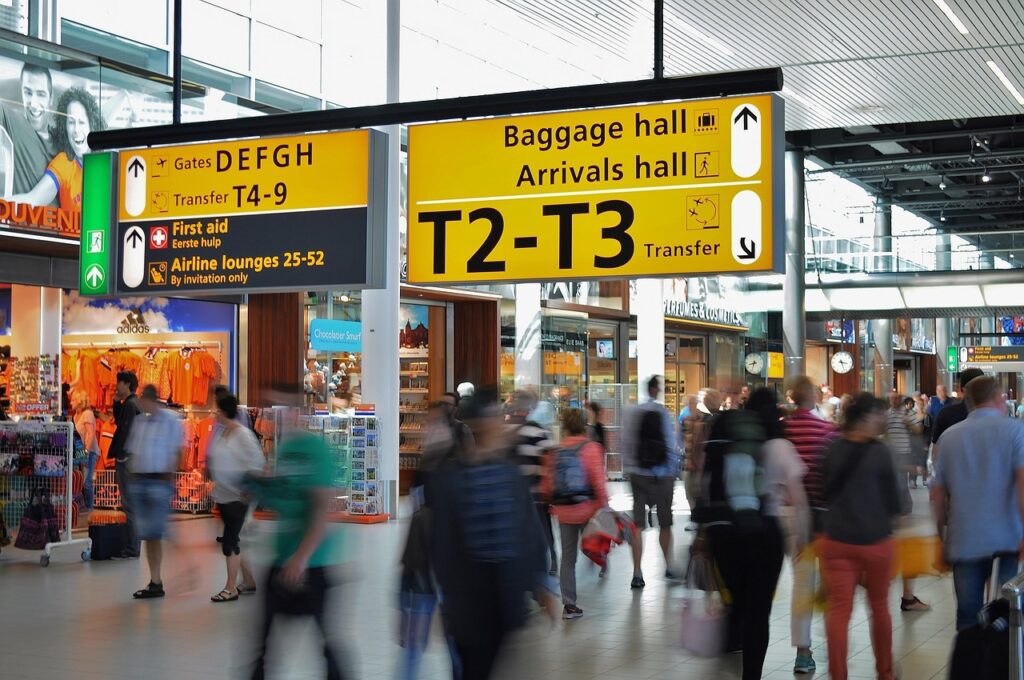

Record-Breaking Holiday Travel
An estimated 72 million Americans are expected to travel this Independence Day weekend, marking an all-time record for the holiday as air and road traffic surges across the United States. The massive influx of travelers coincides with heightened operational constraints, evidenced by a temporary halt of airport operations in Washington, D.C., necessitated by a military flyover display on July 4th.
Contextualizing the Surge
The travel industry has seen a consistent rebound since the pandemic, but this year’s numbers represent a significant escalation in demand. High temperatures across much of the country, coupled with elevated costs for fuel and airline tickets, have failed to dampen consumer enthusiasm for holiday travel. Industry analysts suggest that pent-up demand for leisure and family gatherings continues to drive these figures higher despite economic headwinds.
Operational Complexities and Air Travel
The suspension of flights at major D.C.-area airports highlights the delicate balance between national security displays and the logistical demands of a record-breaking holiday weekend. Air traffic control systems are currently operating at maximum capacity to manage the sheer volume of holiday itineraries. When special events, such as military flyovers, require airspace closures, the ripple effect often leads to systemic delays that can last for hours.
Expert Perspectives on Infrastructure
Transportation experts note that current infrastructure is being pushed to its limits by the volume of passengers. According to data from the American Automobile Association (AAA), the majority of these 72 million travelers are opting for road trips, which places additional strain on the national highway system. Meanwhile, airlines are struggling to maintain on-time performance as labor shortages and weather-related disruptions continue to impact scheduling reliability.
Economic and Industry Implications
For the average consumer, this record-breaking period translates into higher prices and longer wait times. The airline industry faces increasing pressure to streamline operations while simultaneously managing the expectations of a public that is increasingly sensitive to flight cancellations and delays. Analysts suggest that the industry must invest heavily in modernized air traffic management systems to avoid recurring gridlock during peak travel windows.
Looking Ahead
As the holiday weekend progresses, travelers are advised to monitor flight status updates and anticipate heavy congestion on major transit corridors. Industry observers will be watching closely to see how airlines and airport authorities manage the remainder of the summer season, which is expected to remain exceptionally busy. Future policy discussions regarding airspace management during public events are likely to gain momentum as the frequency and scale of such displays continue to intersect with record-setting travel demand.