
The Evolution of Humanoid Robotics
Recent technological developments indicate a significant shift in how advanced machinery is utilized across the globe. Initially designed for commercial applications, entertainment, and industrial manufacturing, humanoid robots are now attracting the attention of defense strategists. Nations with advanced technological sectors are actively exploring how bipedal systems originally built for simple tasks can be re-engineered for complex operational environments.
This transition marks a departure from traditional wheeled or tracked unmanned vehicles. Bipedal systems offer unique advantages in navigating terrain built specifically for humans, such as stairs, narrow corridors, and uneven surfaces. As engineering capabilities improve, the boundary between civilian innovation and defense application continues to blur rapidly.
From Entertainment to Defense Readiness
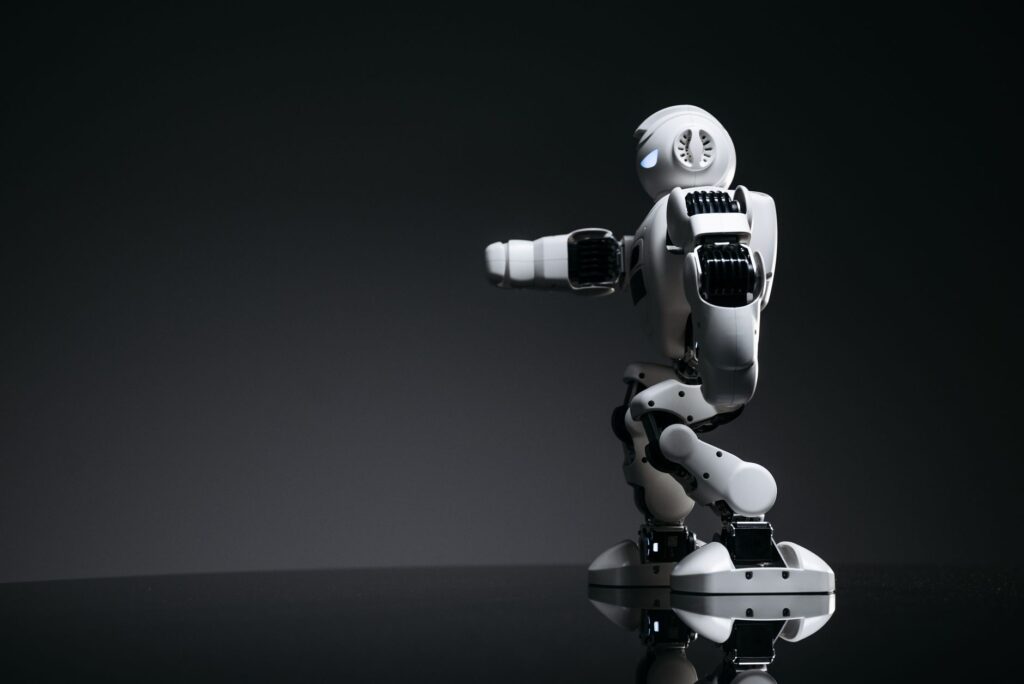
For years, public demonstrations of humanoid machines focused on agility, balance, and aesthetic appeal. Engineers showcased robots performing synchronized dances, navigating obstacle courses, and manipulating delicate objects with artificial hands. These public-facing exhibitions highlighted rapid progress in machine learning, actuator design, and sensory integration.
Behind these consumer-friendly displays, however, lay foundational technologies directly applicable to defense sectors. The same balance algorithms that allow a machine to recover from a push on a stage can help a robotic unit maintain stability on rough terrain. Fine motor skills developed for factory assembly lines translate directly to equipment handling and operational tasks in high-stress zones.
Strategic Implications for Global Security
The integration of bipedal machines into security frameworks introduces complex strategic dilemmas. Military analysts worldwide are evaluating the tactical capabilities of autonomous and remote-controlled bipedal units. Unlike traditional drones operating in the air, humanoid systems are envisioned to operate alongside human personnel or perform high-risk missions independently.
Defense research institutions are heavily investing in robust communication networks, energy storage solutions, and advanced vision systems to support these deployments. Ensuring reliable operation in contested electromagnetic environments remains a primary engineering challenge. Furthermore, the reliance on advanced artificial intelligence for decision-making brings critical governance and operational reliability to the forefront of international discussions.
Technical Hurdles and Future Outlook
Despite rapid progress, significant technical obstacles remain before widespread military deployment becomes feasible. Battery life is a persistent constraint, as maintaining dynamic balance requires continuous and substantial power consumption. Additionally, operating in extreme weather conditions and hostile environments tests the durability of sensitive sensors and mechanical actuators.
Developers continue to refine internal architectures to improve resilience against physical damage and electronic interference. Collaborative efforts between engineering labs and defense contractors suggest that incremental improvements will steadily enhance the readiness of these systems. As research accelerates, the international community watches closely to see how the landscape of modern defense technology will transform in the coming years.