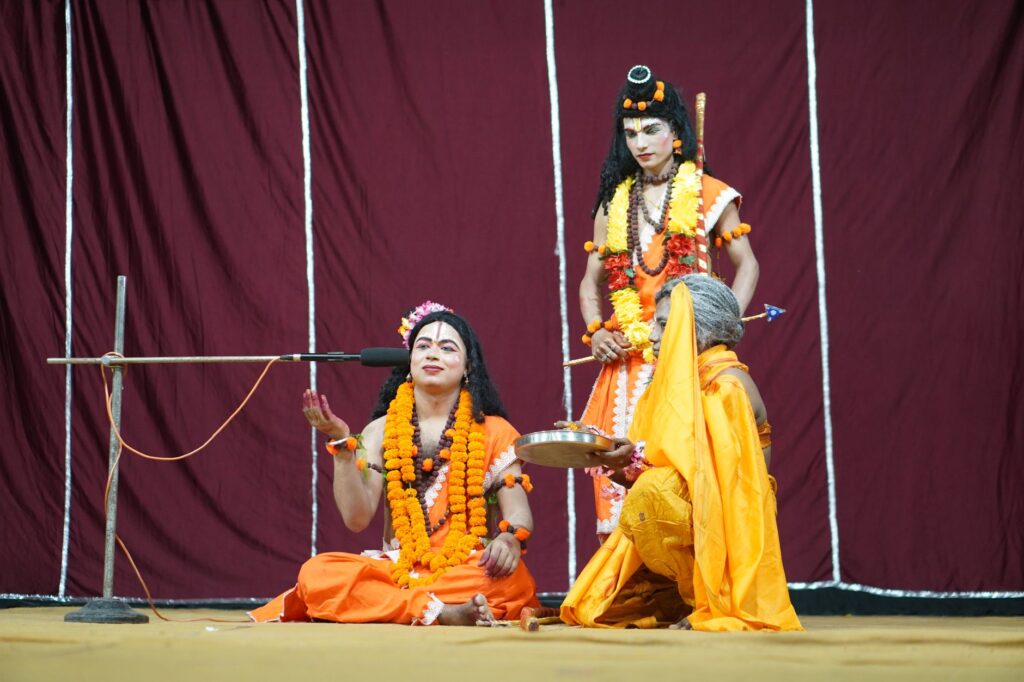

The casting choices for upcoming mythological projects often generate significant discussion among audiences and industry veterans alike. Recently, the selection of a prominent Bollywood actor for a major cinematic adaptation of a revered epic has sparked fresh conversations about traditional casting versus star power in Indian cinema. This decision has divided public opinion, with various industry figures offering contrasting perspectives on how mythological characters should be brought to life on the silver screen.
Introduction of the Casting Controversy
Director Nitesh Tiwari’s ambitious cinematic adaptation of the Ramayana has been one of the most talked-about projects in the entertainment industry. The central casting choice involving a leading mainstream actor to portray Lord Rama has drawn intense scrutiny. While major studios often rely on established box-office stars to ensure commercial success and widespread reach, purists and traditionalists frequently question whether such familiar faces can effectively embody divine figures without the audience being distracted by the actor’s off-screen persona.
Perspective from Industry Legacy
Adding a new dimension to the ongoing debate, Shiv Sagar, the grandson of the legendary filmmaker Ramanand Sagar who created the iconic television adaptation of the epic, has shared his viewpoint on the matter. According to Shiv Sagar, the monumental role of Lord Rama demanded a fresh face rather than a heavily established mainstream star. His perspective stems from a deep family legacy of handling mythological storytelling and understanding how audiences connect with characters on a spiritual and emotional level.
The Need for a Fresh Face
Shiv Sagar elaborated that utilizing a lesser-known or entirely new actor allows viewers to immerse themselves completely in the narrative without any preconceived notions or baggage associated with a major celebrity. When a globally recognized star takes on such a sacred role, audiences often see the actor first and the character second. By choosing a fresh talent, filmmakers can potentially create a more authentic, immersive, and believable visual experience that respects the gravity of the source material.
Balancing Commercial Appeal and Authenticity
The debate highlights a persistent dilemma within the film industry regarding how to balance modern commercial demands with traditional storytelling integrity. High-budget mythological films require substantial financial backing, which producers often secure by casting top-tier talent. However, critics of this approach argue that authenticity and reverence should take precedence over sheer commercial viability when depicting deeply cherished religious and cultural figures.
Looking Ahead at the Adaptation
As production on the high-profile project continues, the discussion surrounding its cast members remains a hot topic among movie enthusiasts and cultural commentators. Whether the final cinematic output will manage to overcome these initial casting reservations and resonate with audiences worldwide is a question that only time will answer. Meanwhile, opinions from industry stakeholders like Shiv Sagar continue to shape the broader discourse on modern interpretations of ancient Indian epics.