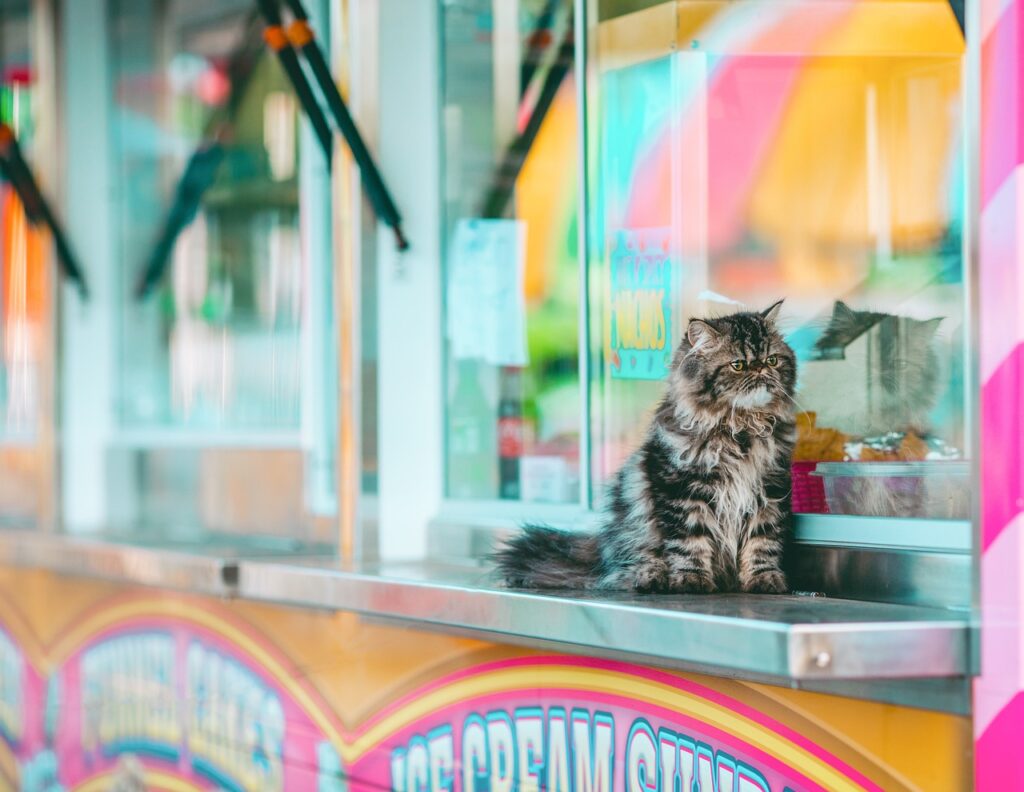

Visitors from across the United States converged on Washington, D.C., this week to celebrate the Great American State Fair, a sprawling event that combined traditional Americana with modern festivities to mark the nation’s independence. The event, which featured high-octane rodeo competitions, military flyovers, and a diverse array of regional culinary offerings, transformed the capital into a central hub for domestic tourism and cultural exchange.
The Evolution of Patriotic Celebration
State fairs have long served as pillars of regional identity in the United States, typically held in local districts to showcase agriculture, livestock, and local craftsmanship. By bringing this concept to the national stage in Washington, D.C., organizers aimed to synthesize the distinct experiences of all 50 states into a single, cohesive celebration.
The initiative reflects a growing trend in public event planning that prioritizes immersive experiences over traditional static displays. By integrating live performances with historical exhibits, the event sought to bridge the gap between contemporary American culture and the nation’s historical roots.
A Spectrum of Entertainment and Industry
The fairgrounds offered a multi-faceted look at American life, with rodeo performances serving as a major draw for attendees. These events, which highlight the heritage of the American West, were complemented by modern aerial displays and technology showcases.
Food vendors played a critical role in the event’s success, providing a cross-section of American gastronomy. From deep-fried regional specialties to farm-to-table innovations, the culinary offerings served as a tangible representation of the country’s agricultural diversity.
According to tourism data from the U.S. Travel Association, experiential travel—where visitors prioritize activities and cultural engagement—has seen a 15% increase in domestic interest over the past three years. The Great American State Fair leverages this shift by offering a centralized venue for such engagement.
Economic and Cultural Implications
For the District of Columbia, hosting such a massive event provides a significant boost to local hospitality and retail sectors. Industry analysts point out that large-scale, high-visibility events act as a catalyst for urban economic recovery, drawing crowds that might otherwise bypass the city during the summer months.
Beyond the immediate financial benefits, the fair serves as a soft-power venue, reinforcing the cultural bonds that unite disparate states. By showcasing the unique contributions of various regions, the event fosters a sense of national cohesion that is often difficult to achieve in a digital-first society.
Looking Ahead
As organizers evaluate the success of this year’s attendance, industry experts will be watching to see if the Great American State Fair becomes a permanent fixture on the national calendar. Potential expansion into year-round educational programming or rotating regional spotlights could further solidify its position as a premier American event.
Future iterations may also incorporate sustainable technology exhibits to reflect the nation’s shifting energy landscape, ensuring the fair remains relevant to younger generations. Observers should monitor upcoming municipal reports for details on potential long-term infrastructure investments to support the event’s growth in the coming years.