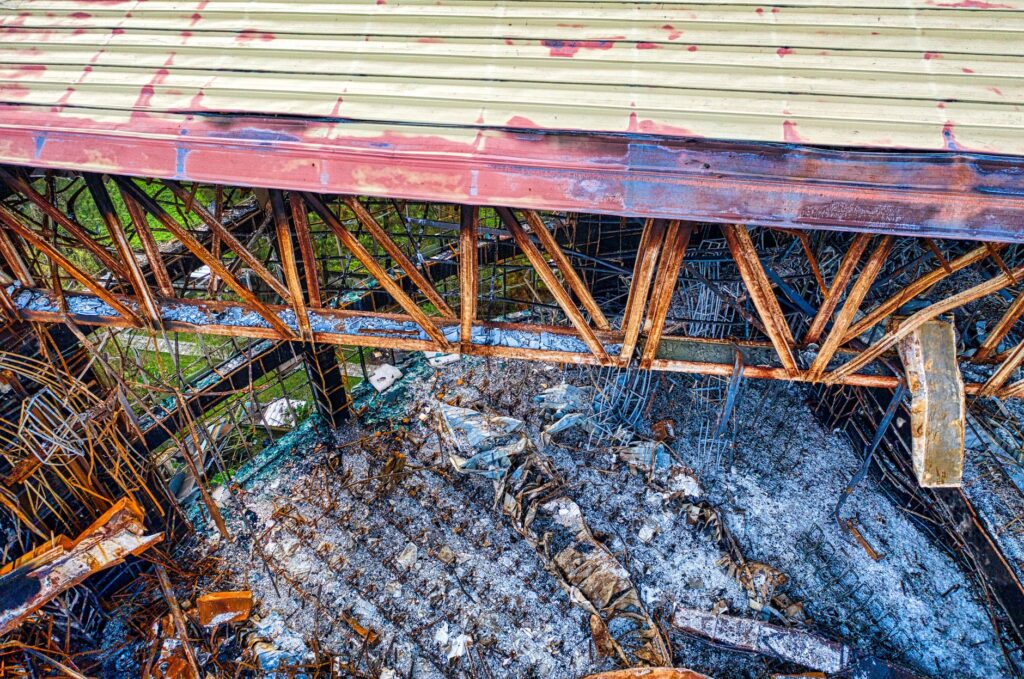

The judicial landscape regarding unauthorized structures has shifted significantly following a tragic structural failure. The highest court in the country has intervened directly in matters concerning hazardous buildings, declining requests to keep lower courts handling the fallout of the Satya Niketan incident in isolation.
Legal Proceedings and Judicial Oversight
During recent legal proceedings, the top bench addressed the matter with utmost seriousness. Solicitor General Tushar Mehta, representing key governmental bodies including the central administration, the municipal corporation, and local law enforcement, made an oral appeal. He requested that the Delhi High Court be permitted to continue managing the ongoing proceedings related to the Satya Niketan structural failure as a separate matter.
However, the Supreme Court rejected this oral plea. By refusing to segregate the ongoing judicial reviews, the apex court signaled its intent to oversee the broader implications of unauthorized construction rather than allowing fragmented handling across different judicial forums.
Addressing the Crisis of Unauthorized Structures
The decision highlights mounting concerns over safety violations and illicit real estate developments in urban centers. Unauthorized construction has long plagued major metropolitan areas, often leading to devastating consequences for residents and the public.
By keeping the matter under its direct purview, the Supreme Court aims to establish a comprehensive approach to tackling illegal buildings. This judicial stance is expected to prompt stricter enforcement measures and hold accountable those responsible for regulatory lapses.
Implications for Municipal Administration and Law Enforcement
The refusal to delegate the matter exclusively to the high court places additional pressure on local authorities, municipal bodies, and law enforcement agencies. These entities must now prepare for rigorous judicial scrutiny regarding their oversight and enforcement of building codes.
Experts suggest that this intervention could trigger a nationwide review of urban planning and safety compliance. Municipal corporations will likely face mandates to identify and dismantle hazardous structures without delay.
Moving Forward with Urban Safety Reforms
The tragic events that prompted this judicial action underscore the urgent need for systemic reform in urban development. Lax enforcement of zoning laws and illegal modifications to existing properties have created widespread risks.
As the highest court assumes a more hands-on role in addressing these violations, citizens and urban planners anticipate sweeping changes. The focus remains on preventing future tragedies by enforcing strict adherence to building safety standards and holding negligent parties fully accountable.