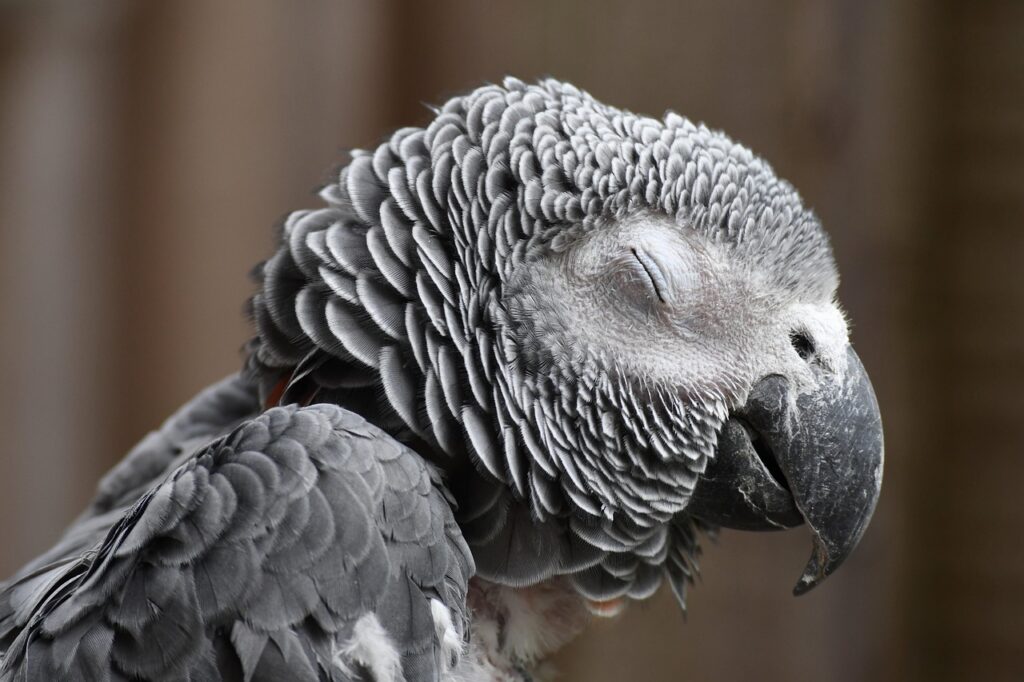

Unlocking the Biological Basis of Vocalization
Neurobiologist Erich Jarvis is spearheading a groundbreaking research initiative at The Rockefeller University, aiming to decode the genetic mechanisms behind vocal learning in birds. By studying rare species capable of mimicking complex sounds, Jarvis seeks to bridge the gap between avian vocalization and human speech, potentially unveiling the evolutionary blueprints of communication.
The Rare Biology of Vocal Learners
Vocal learning—the ability to acquire new sounds through imitation—is a remarkably rare trait in the animal kingdom. While humans possess this capability, it is largely absent in most primates, appearing instead in select groups of birds, such as parrots, songbirds, and hummingbirds, as well as cetaceans and bats.
Jarvis notes that these disparate groups share specialized neural circuits in the forebrain that connect auditory regions to vocal motor centers. Understanding how these circuits formed independently across species provides a unique lens through which researchers can examine the convergent evolution of complex communication.
Genetic Engineering and the Quest for Mimicry
The core of the Jarvis lab’s current research involves the use of advanced genomic sequencing and CRISPR-based gene editing to identify the precise molecular switches that govern vocal control. The ultimate goal is to genetically engineer an animal model capable of producing novel calls, a feat that has remained elusive in neuroscience.
By mapping the transcriptome of these specialized neurons, the research team has identified several genes that are highly expressed in the vocal learning centers of songbirds. These findings suggest that the capacity for speech may rely on the repurposing of motor control pathways that were originally designed for limb movement.
Expert Perspectives on Neural Complexity
Leading neuroscientists point out that the complexity of vocal learning extends beyond simple genetic expression. Dr. Jarvis’s data indicates that the evolution of these circuits required both the duplication of existing brain structures and the emergence of new regulatory elements that allow for high-fidelity sound reproduction.
Statistical analysis of avian vocal centers shows a high degree of connectivity between the pallium and the brainstem, a structure that mirrors the vocal-motor pathways found in human speech regions like Broca’s area. This structural similarity underscores the potential for using avian models to study human speech disorders, including stuttering and developmental language delays.
Implications for Future Research and Biotechnology
The implications of this research extend far beyond the study of birdsong. Successfully identifying the genetic triggers for vocal plasticity could provide a roadmap for developing new therapies for patients with neurodegenerative speech conditions or language-based learning disabilities.
As the field moves forward, the scientific community will watch closely to see if the laboratory can achieve stable, transmissible vocal learning in non-mimetic species. Success would represent a paradigm shift in our understanding of how complex behaviors are encoded into the genome and how they might be manipulated to restore human cognitive functions.