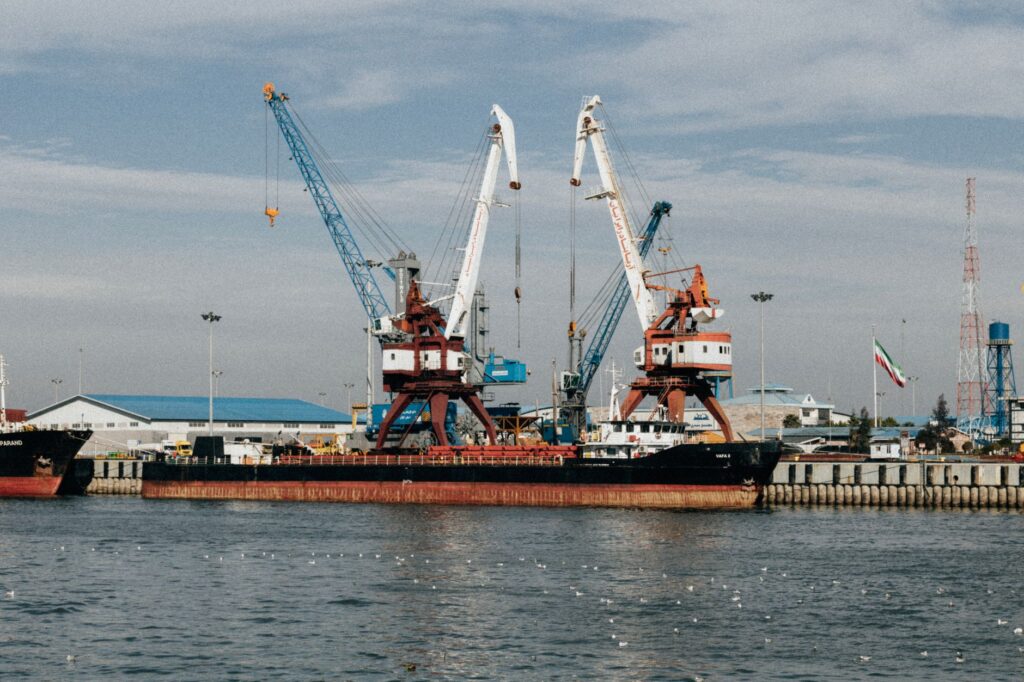

The Economic Impact of Sanctions
International trade restrictions and stringent enforcement measures by foreign governments are dealing a heavy blow to regional economies that rely heavily on energy exports. As vital commodities face strict oversight, the financial stability of governments dependent on these shipments comes under immense pressure. For nations with a single dominant source of national income, any disruption to maritime transit routes or trade channels creates immediate domestic challenges.
Fading Revenue Streams
Petroleum sales have long served as the backbone of foreign currency earnings for the affected administration in Tehran. However, persistent international restrictions have severely curtailed the volume of goods moving through key transit corridors. With fewer shipments successfully reaching destination markets, the influx of hard currency has slowed dramatically. This contraction directly impacts national budgets, limiting the capacity to fund public services and maintain currency stability.
Maritime Restrictions and Supply Bottlenecks
The logistical challenges extend far beyond domestic policy. Vessels carrying vital energy products face intense scrutiny and interception risks along traditional shipping lanes. Cargo currently in transit represents a dwindling fraction of historical export volumes. As maritime routes become increasingly difficult to navigate, the ability to generate steady revenue through traditional buyers is severely compromised.
Broader Financial Pressures
The reduction in petroleum income exacerbates existing structural weaknesses within the domestic economy. Inflation rates climb as currency values face downward pressure, increasing the cost of living for ordinary citizens. Without immediate relief from external trade barriers, the government faces difficult choices regarding resource allocation, subsidy management, and fiscal policy.
Looking Ahead
The ongoing enforcement of trade restrictions highlights the vulnerability of economies overly reliant on a single commodity. As maritime inventories decline and foreign markets remain closed off due to regulatory enforcement, the path toward economic recovery appears narrow. The situation underscores how geopolitical tensions directly translate into severe financial hardships for energy-dependent states.