
Introduction
Decades after the tragic events that shook the United States, observers often reflect on a rare moment in modern history when the entire nation stood shoulder to shoulder. In the immediate aftermath of the terrorist attacks, Americans experienced an unprecedented wave of solidarity. Bipartisan lines dissolved, flags flew from every porch, and citizens of all backgrounds shared a collective grief and resolve.
Yet, a careful examination of the subsequent years reveals a complex paradox. The very unity that defined the days following the crisis also laid the groundwork for the deep partisan fractures that characterize contemporary American politics. Understanding this transformation requires looking closely at how national security policies, government overreach, and shifting political strategies reshaped public trust.
The Illusion of Permanent Consensus
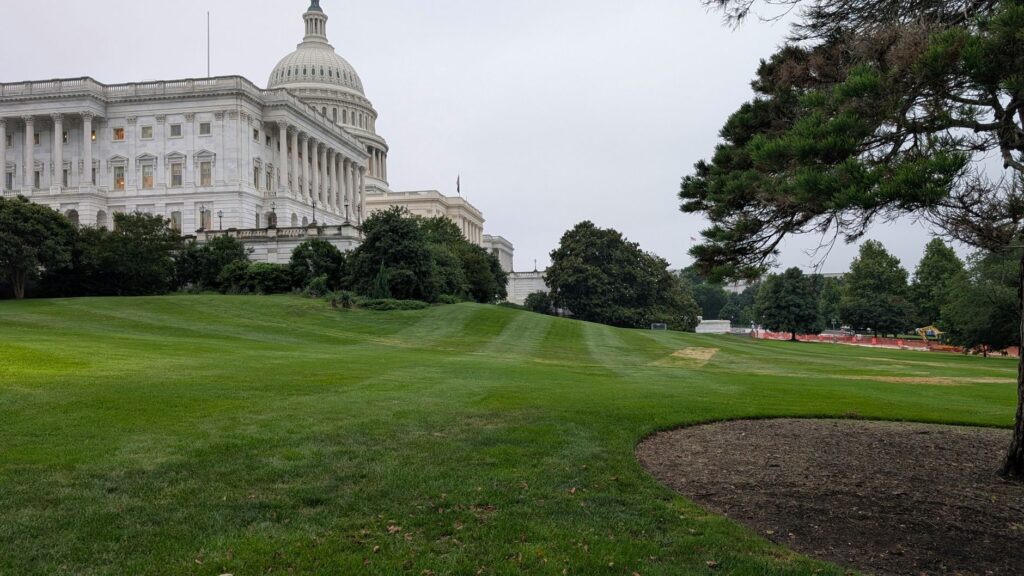
In late 2001, political leaders from both major parties stood together on the steps of the Capitol to sing God Bless America. This powerful image of bipartisanship masked underlying vulnerabilities in the political landscape. Crisis situations naturally force a temporary suspension of normal political friction, but they do not permanently alter ideological disagreements.
As the initial shock subsided, policymakers faced monumental decisions regarding foreign intervention, domestic surveillance, and national security. The consensus began to fray as differing philosophies on governance, civil liberties, and international relations reemerged. What many hoped would be a permanent era of national cooperation proved to be nothing more than a fleeting truce.
The Expansion of Executive Power
One of the most significant shifts in the post-crisis era was the rapid expansion of executive authority. To meet perceived urgent threats, the federal government adopted sweeping new measures, including the creation of vast intelligence apparatuses and the implementation of aggressive counterterrorism protocols.
These policy shifts altered the balance of power within the federal government. As executive powers grew, congressional oversight often lagged, creating an environment ripe for executive overreach. Citizens and advocacy groups soon began to question the trade-offs between security and constitutional freedoms, igniting fierce debates that divided communities and political camps.
Erosion of Public Trust
Public trust in foundational institutions forms the bedrock of any stable democracy. Following the national tragedy, citizens rallied around government leadership, granting officials wide latitude to protect the country. However, as protracted conflicts abroad stretched on and promised outcomes failed to materialize, public skepticism surged.
Investigative reporting and official inquiries later revealed miscalculations and false premises that had guided major national security decisions. The realization that official narratives were not always entirely accurate shattered the blind faith many citizens had previously placed in government agencies. This disillusionment created a fertile ground for cynicism, conspiracy theories, and a profound distrust of institutional authorities that persists to this day.
Weaponization of Patriotism
In the years following the attacks, expressions of patriotism occasionally became tools in partisan debates. Differing views on national defense strategies or foreign policy decisions were sometimes framed not merely as policy disagreements, but as questions of loyalty.
This rhetorical shift made nuanced political debate increasingly difficult. When political survival depends on conformity to rigid ideological stances, compromise becomes toxic. Lawmakers who attempted to cross party lines or question prevailing security orthodoxies often faced fierce political backlashes from their own bases. Consequently, political parties retreated into more polarized corners.
Lessons for the Future
Looking back at the trajectory of the past quarter-century offers critical lessons regarding the fragility of national unity. Crises can undoubtedly bring people together, but that solidarity is fragile unless actively nurtured through transparent governance, open dialogue, and a commitment to democratic norms.
The polarization defining modern American politics is not an isolated phenomenon; it is the culmination of decades of eroded trust, expanding governmental powers, and the political exploitation of national trauma. Recognizing these historical roots is the first step toward rebuilding a cohesive society capable of addressing future challenges together.