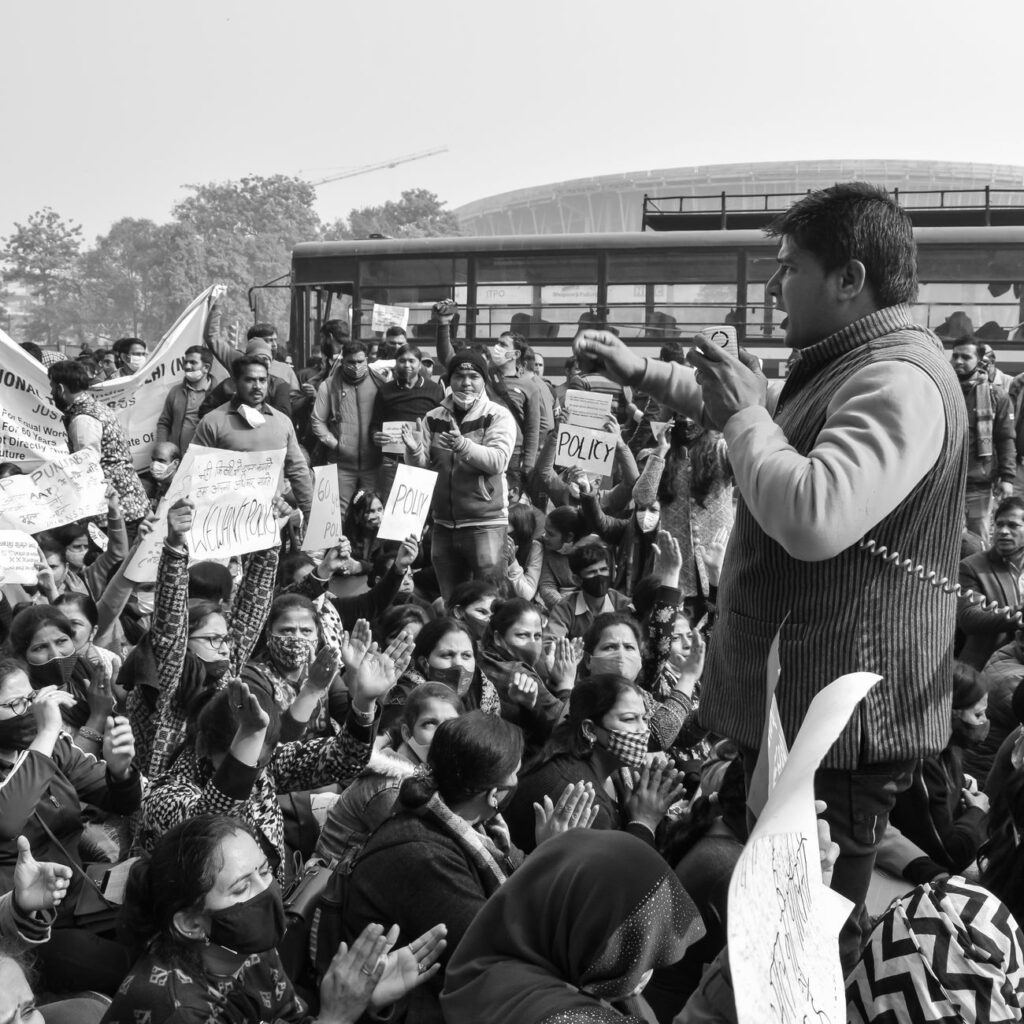

Patna Reservation Protest Background
Recent demonstrations in the capital city of Bihar highlighted ongoing tensions regarding affirmative action policies. Activists gathered in large numbers to voice their demands for an expansion of existing reservation quotas. The movement drew participants from various marginalized communities, all advocating for greater representation in employment and educational institutions.
Demonstrators Attempt To Breach Security
The march quickly intensified as participants tried to move past security perimeters set up by law enforcement agencies. Authorities had anticipated potential unrest and deployed significant personnel to manage the crowds. Heavy barricades were erected along key thoroughfares to restrict access to sensitive government zones and prevent any disruption to public order.
Police Response And Crowd Control
Law enforcement officials maintained a stern posture throughout the demonstration. Officers utilized physical barriers and strategic positioning to halt the advancing crowds. While tensions ran high on both sides, security personnel worked diligently to contain the situation without escalating the unrest into widespread violence.
Demands For Inclusive Policies
Organizers of the protest emphasized that current affirmative action frameworks require urgent revision. They argue that existing thresholds fail to adequately address the socio-economic disparities faced by disadvantaged groups. The call for higher quota percentages remains a central theme for these grassroots movements across the region.
Broader Political Implications
This demonstration underscores the persistent debate surrounding quota policies in the state. As political parties prepare for upcoming electoral cycles, social justice issues and reservation policies continue to dominate public discourse. Policymakers face mounting pressure from civil society organizations to address these grievances comprehensively.
Looking Ahead
Authorities remain on high alert as similar gatherings could occur in the near future. Community leaders have urged peaceful dialogue with state representatives to resolve the ongoing disputes regarding quota allocations. The outcome of these negotiations will likely influence regional policy developments in the coming months.