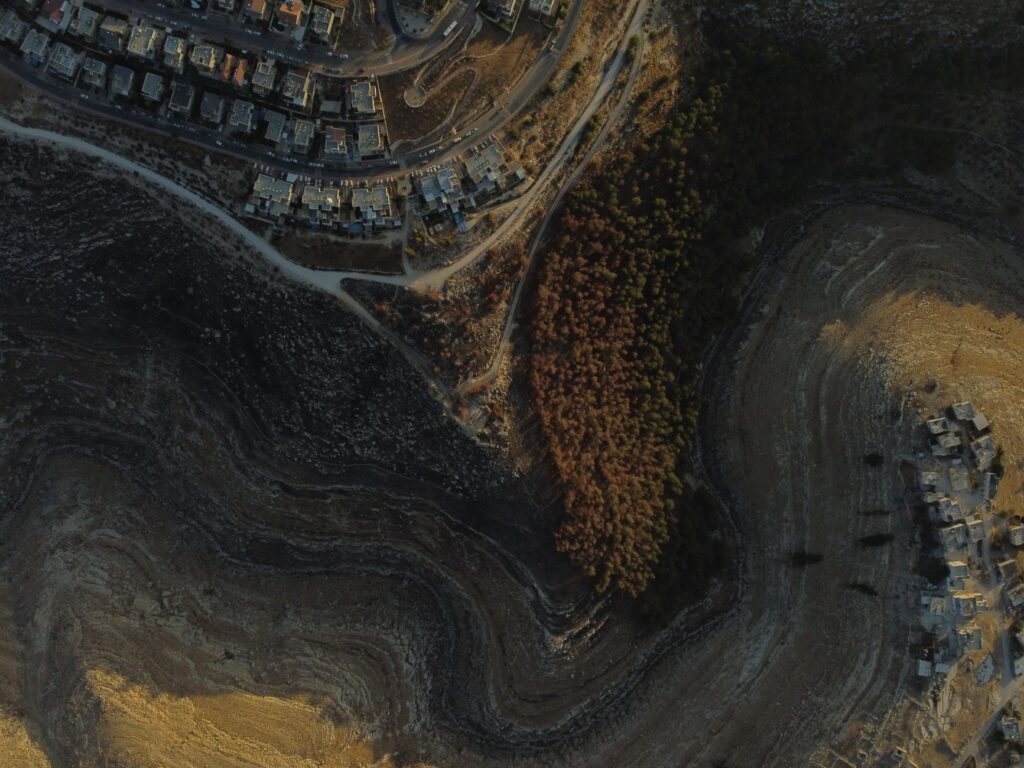

A coalition of twelve nations, including prominent global powers like France, the United Kingdom, and Canada, is reportedly organizing a coordinated series of restrictive measures targeting Israeli settlements located within the West Bank. This diplomatic initiative signals a growing international consensus regarding the legality and expansion of these residential outposts in disputed territories.
Global Diplomatic Shift
The movement toward punitive measures reflects mounting frustration among Western allies regarding ongoing territorial developments. While various nations have historically issued verbal condemnations against settlement expansion, the transition toward concrete financial and trade restrictions represents a significant escalation in foreign policy response.
Precedents Set by European Nations
Before this broader coalition began organizing its joint strategy, several individual European governments had already initiated unilateral actions. Ireland and Spain notably implemented distinct measures aimed at restricting commercial engagement and trade with entities operating within the disputed settlements, establishing a legal and political precedent for other capitals to follow.
European Union Advocacy
France has played a particularly active role within the broader European landscape, continuously lobbying continental institutions for a unified policy. Paris has consistently pushed for the European Union to adopt sweeping regulations that would mirror or amplify the restrictive trade measures already championed by individual member states, seeking a continent-wide approach to the issue.
Expanding Coalition Involvement
The inclusion of non-European partners such as Canada and the United Kingdom broadens the scope of the upcoming policy beyond the immediate European neighborhood. This wider alignment suggests that the diplomatic pressure is evolving into a concerted multilateral effort involving multiple traditional allies of Israel, potentially impacting economic ties and diplomatic engagements.
Implications for Regional Stability
Analysts note that the impending sanctions could introduce new complexities into regional diplomacy. As twelve countries align their positions against the continued growth of West Bank communities, the diplomatic landscape faces potential shifts that may influence future peace negotiations and international law interpretations concerning the territory.
Next Steps for the Coalition
As planning continues among the participating governments, details regarding the exact nature, scope, and timeline of the proposed restrictions are expected to emerge. Policymakers within the coalition are currently finalizing the specific legal mechanisms required to implement these trade and financial measures effectively.