
The FIFA Intervention
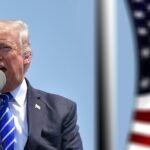
Former U.S. President Donald Trump successfully intervened in a FIFA disciplinary ruling this week, resulting in the eligibility of U.S. national team striker Folarin Balogun for upcoming World Cup matches. The governing body’s decision to nullify a red card suspension, issued following a controversial tackle in the previous round, marks a significant departure from established international football protocol.
Contextualizing the Ruling
FIFA disciplinary procedures are traditionally insulated from political pressure to maintain the integrity of the tournament. The suspension of Balogun was initially upheld by the disciplinary committee based on video assistant referee (VAR) evidence, which suggested a reckless challenge.
This reversal represents the first instance since 1962 that FIFA has overturned a red card suspension during an active World Cup tournament. Historically, the organization has maintained a strict stance of non-interference, rarely revisiting on-field officiating decisions once a match has concluded.
A Breach of Protocol
The intervention has sparked intense debate regarding the autonomy of international sports governance. Critics argue that direct communication between a world leader and FIFA leadership sets a dangerous precedent, potentially undermining the authority of match officials and the VAR system.
“The mechanism for appealing a red card is clearly defined in the FIFA statutes, and it does not include executive lobbying,” said Dr. Marcus Thorne, a sports law analyst. “By bypassing the standard appeal channels, this decision creates a shadow process that challenges the impartiality of the game.”
Data and Precedent
Statistical data from the last decade of World Cup tournaments shows that red card appeals are rarely successful. According to football data firm Opta, of the 42 red cards issued in the last three tournaments, only three were subjected to formal appeals, and none resulted in a suspension nullification.
Supporters of the decision claim that the red card was a clear and obvious error that warranted a secondary review. They argue that the high stakes of the World Cup necessitate a mechanism for correcting officiating mistakes that influence the trajectory of the tournament.
Industry Implications
The implications for future international sporting events are profound. If political influence becomes a viable path for overturning disciplinary actions, global sports federations may face increased pressure to justify their autonomy against national interests.
Industry experts suggest that FIFA will likely face demands for greater transparency regarding how and why this specific appeal was granted. The organization is now tasked with clarifying whether this was an isolated exception or the start of a more flexible, albeit controversial, disciplinary framework.
What to Watch Next
Observers will be watching the next round of matches closely to see if other national federations attempt similar high-level interventions for their own suspended players. Furthermore, FIFA’s upcoming annual general meeting is expected to feature intense discussion regarding the formalization—or prohibition—of political engagement in disciplinary appeals moving forward.