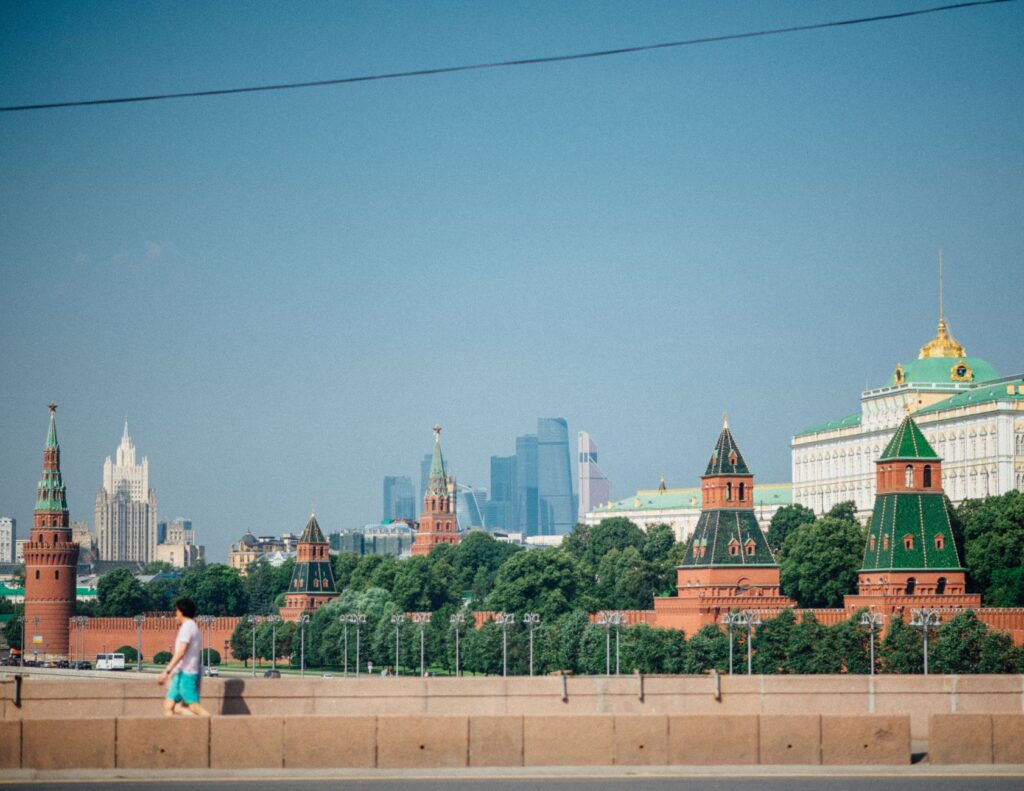

Diplomatic engagements are stepping up as global leaders prepare for major international summits. High-level bilateral meetings often set the tone for broader multilateral gatherings, allowing key nations to align their strategic priorities. In this context, preparations are underway for a significant diplomatic encounter between two prominent world leaders.
Upcoming Leaders Meeting
Russian President Vladimir Putin and Indian Prime Minister Narendra Modi are scheduled to hold a face-to-face meeting on Friday. The announcement was officially confirmed by the Kremlin, highlighting the ongoing importance of diplomatic channels between Moscow and New Delhi. This high-profile discussion takes place just ahead of the much-anticipated BRICS summit.
Strategic Importance of the Talks
Bilateral discussions between these two leaders traditionally cover a wide spectrum of cooperative areas, including trade, energy, defense, and international affairs. As the geopolitical landscape shifts, maintaining a robust dialogue allows both governments to navigate complex global challenges together. The upcoming conversation in the Russian capital provides an opportunity to evaluate existing joint ventures and outline future initiatives.
Focus on the BRICS Framework
The timing of this meeting, immediately preceding the BRICS summit, underscores the pivotal role both nations play within the economic bloc. BRICS continues to serve as a vital platform for emerging economies seeking to enhance multilateral cooperation, financial stability, and alternative trade mechanisms. The discussions between the two leaders are expected to heavily influence the broader agenda of the summit itself.
Looking Ahead
As the diplomatic schedule intensifies, the outcomes of Friday’s meeting will likely set a cooperative tone for the multilateral sessions that follow. Observers and analysts worldwide will be watching closely to see how these diplomatic efforts shape regional and international policies in the months to come.