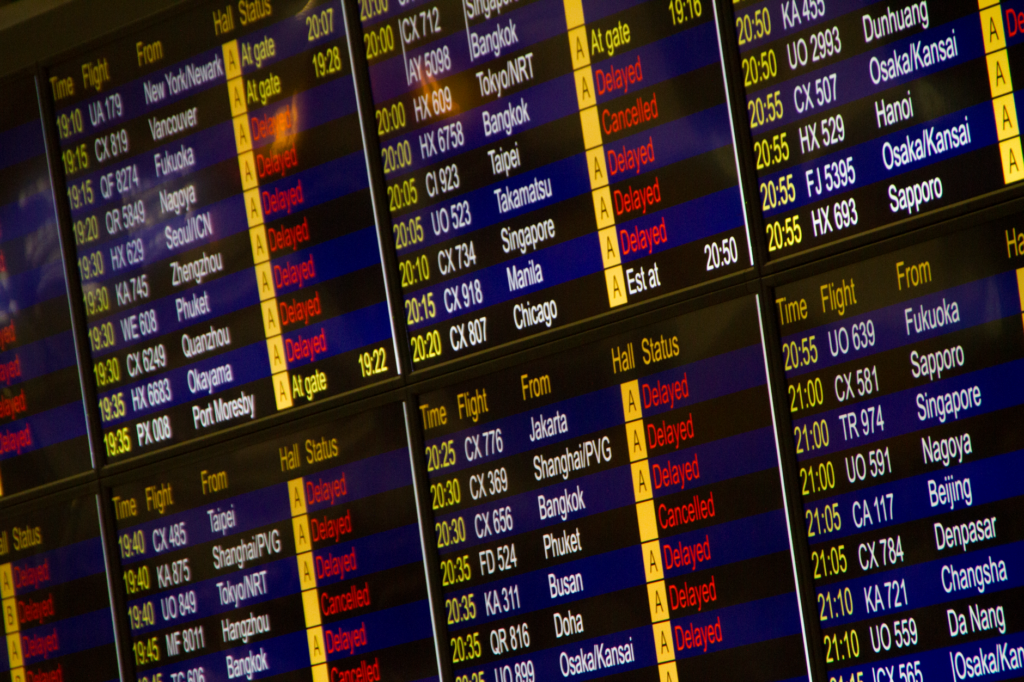

A severe technical malfunction within the United Kingdom air traffic control systems led to the cancellation of more than 600 flights, stranding numerous travelers and triggering widespread disruption across major aviation hubs. The unexpected software failure affected flight management operations nationwide, forcing aviation authorities to implement emergency restrictions to maintain safety standards in busy airspace.
Understanding the Technical Failure
The disruption began when National Air Traffic Services encountered an unexpected system anomaly that compromised automated flight plan processing. Instead of relying on fully automated routing systems, regional controllers were forced to manage air traffic manually. This drastic shift significantly reduced the volume of aircraft that could be safely handled per hour, resulting in immediate delays and cascading schedule adjustments across multiple airlines.
Impact on Major Airports and Passengers
Major airports, including London Heathrow and Gatwick, bore the brunt of the disruption as departures and arrivals were severely restricted. Thousands of passengers found themselves stranded in terminals as carriers scrambled to manage the backlog of affected journeys. Airlines advised all travelers to check their flight status well in advance before heading to the airport, noting that schedule recovery would take considerable time.
Response from Aviation Authorities
Engineering teams worked rapidly to isolate the root cause of the software glitch and deploy system patches. Aviation officials emphasized that safety remained the absolute priority throughout the incident, which justified the implementation of strict capacity caps. While normal operations slowly resumed following the implementation of backup protocols, experts warn that the ripple effects on airline schedules and aircraft positioning will likely persist for several days.