
Choosing the right audio system for your home entertainment area can significantly transform your viewing sessions. When upgrading television audio, buyers frequently encounter a choice between two popular multi-channel configurations. Deciding between these audio layouts involves weighing the desire for cinematic surround sound against practical space limitations and audio clarity needs.
Understanding Audio Channels
Audio configurations use specific numerical designations to indicate the number of distinct sound paths they offer. The digit preceding the decimal point represents the total number of primary audio channels directed at discrete speakers. Meanwhile, the digit following the decimal point indicates the inclusion of a dedicated subwoofer for handling low-frequency bass effects.
A 3.1 channel setup utilizes three front-facing audio paths alongside a subwoofer. These three pathways typically manage the left, center, and right channels. The dedicated center channel plays a vital role in dialogue reproduction, ensuring that spoken words remain distinct and intelligible even amidst complex background scores and loud action sequences.
On the other hand, a 5.1 channel configuration expands upon this foundation by introducing surround sound capabilities. Along with the standard left, right, and center front speakers and a subwoofer, this setup incorporates two additional rear or side surround speakers. These extra audio pathways envelop the listener, creating a much more encompassing environment that mimics a commercial movie theater.
Prioritizing Immersion With Five-Point-One
For enthusiasts who prioritize deep immersion and cinematic realism, a five-point-one channel system is generally the preferred option. The inclusion of rear firing or side-firing components allows audio designers to pan sound effects around the room. Bullets flying past, footsteps approaching from behind, and ambient environmental noises become vividly distinct, drawing viewers directly into the narrative.
This configuration shines brightest when streaming high-definition movies, playing modern video games, or watching sports broadcasts mixed in surround formats. If the primary goal is to replicate a multi-dimensional acoustic landscape within a domestic space, the additional rear speakers deliver a noticeable upgrade over simpler setups.
Valuing Clarity and Convenience
Despite the clear advantages of surround sound, many households benefit more from a three-point-one channel alternative. One of the primary advantages of this configuration is its focus on vocal clarity and straightforward setup. Because spatial requirements are minimized, placing these units in compact or awkwardly shaped rooms becomes remarkably easy.
Many modern viewers watch standard television programming, news broadcasts, and dialogue-heavy dramas where surround effects play a minimal role. In these scenarios, a strong center channel combined with a robust subwoofer provides ample depth and crisp speech reproduction without the clutter of extra satellite speakers.
Assessing Living Room Practicalities
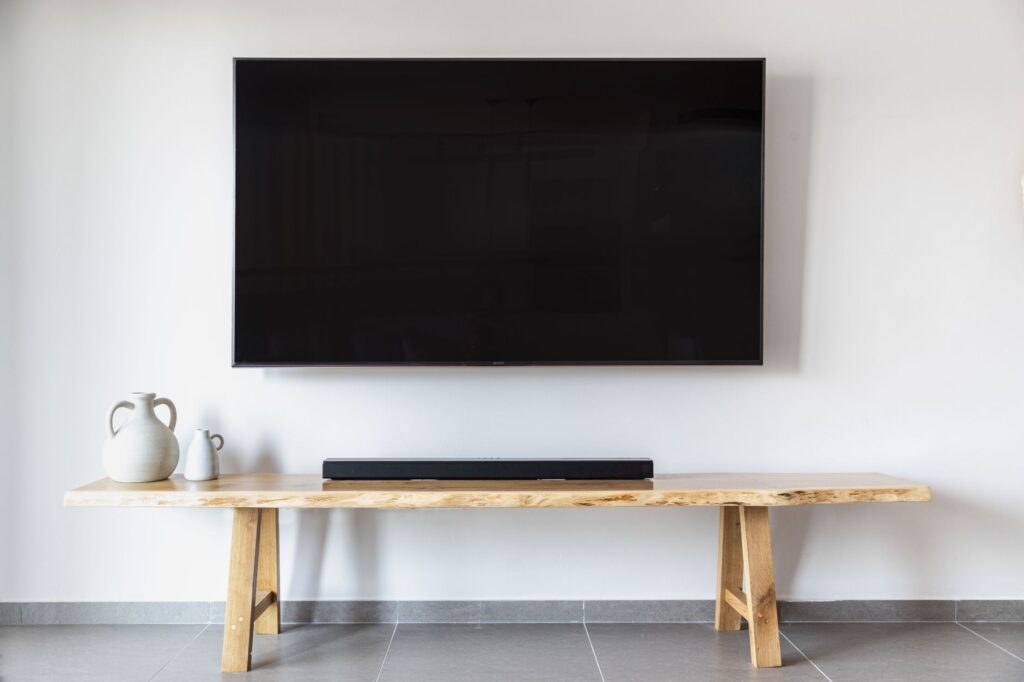
Spatial constraints often dictate the success of any home theater installation. Traditional five-point-one systems require careful placement of physical rear speakers, which can demand dedicated floor stands, wall mounts, or trailing wires across the floor. In contrast, three-point-one bars generally consist of a single elongated unit placed beneath the display alongside a compact subwoofer, preserving floor space and maintaining a minimalist aesthetic.
Cost is another important consideration for prospective buyers. Because fewer physical speaker components are required to manufacture a three-point-one system, these models frequently offer better core audio performance at an accessible price point compared to entry-level surround alternatives.
Making the Final Choice
Ultimately, the ideal audio setup depends heavily on personal viewing habits and room dimensions. Selecting a five-point-one channel layout makes sense for dedicated movie lovers and gamers seeking maximum acoustic immersion. Choosing a three-point-one channel bar is wiser for those who value straightforward installation, minimal cable clutter, and crystal-clear dialogue for everyday viewing.