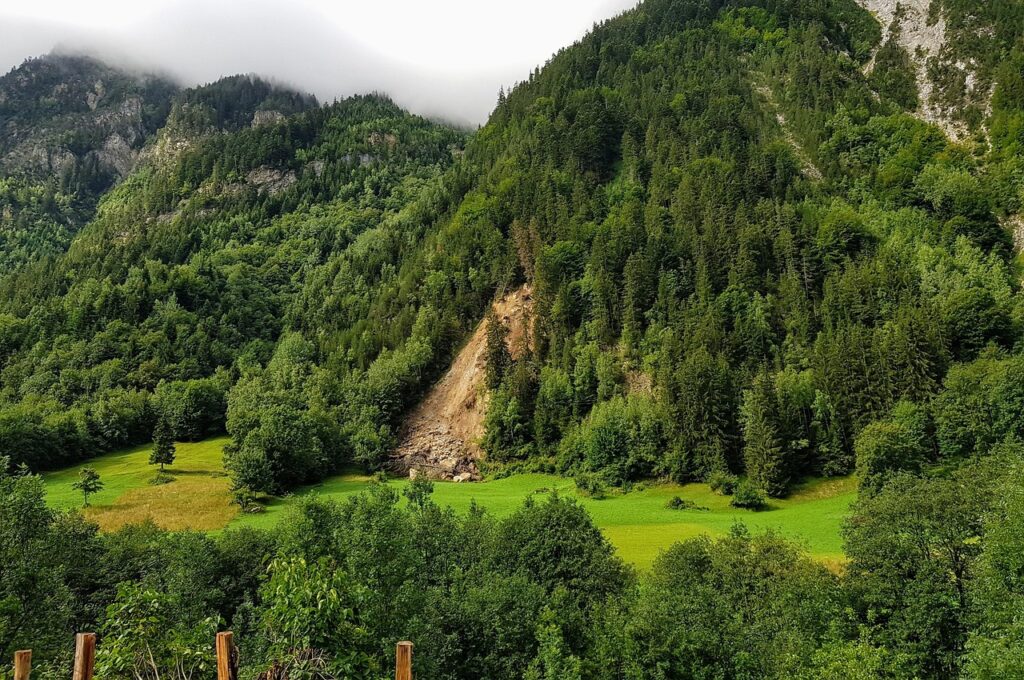

Authorities in Maharashtra have suspended all traffic on the Pune–Mumbai Expressway and the old Mumbai–Pune Highway following severe landslides triggered by relentless monsoon rains. The regional traffic police issued a mandatory public advisory on Tuesday, urging citizens to postpone any non-essential travel between the two cities until weather conditions stabilize and debris is cleared from the arterial routes.
The Context of Monsoon Vulnerability
The Mumbai-Pune corridor is a vital economic artery, facilitating thousands of daily freight and passenger movements between India’s financial capital and a major industrial hub. During the monsoon season, the Sahyadri mountain range, through which these highways pass, becomes highly susceptible to geological instability.
Geological data from the India Meteorological Department (IMD) confirms that the region has received record-breaking rainfall over the last 48 hours. This saturation of the soil frequently leads to slope failures in the Lonavala and Khandala ghat sections, making the terrain notoriously dangerous during heavy downpours.
Operational Impact and Traffic Management
The closure of the Expressway—the country’s first six-lane concrete, access-controlled tolled road—has caused significant logistical bottlenecks. Commercial freight operators have been forced to halt operations, leading to potential supply chain delays for manufacturing units based in the Pune industrial belt.
Local traffic police units are currently stationed at key entry points, including the Kalamboli junction and the Pune bypass, to divert commuters. Officials have confirmed that heavy machinery and disaster response teams are on-site; however, the ongoing rainfall is hampering efforts to clear the massive boulders blocking the lanes.
Expert Perspectives on Infrastructure Resilience
Civil engineers highlight that while the Expressway was designed to handle high-speed transit, the extreme weather patterns in the Western Ghats are testing the limits of existing slope stabilization measures. Dr. Anirudh Mehta, a consultant for regional infrastructure development, notes that traditional netting and wall reinforcement are often insufficient against the scale of current debris flows.
“The frequency of these events indicates a need for more advanced geotechnical monitoring systems,” says Dr. Mehta. “We are seeing a trend where historical rainfall averages are being eclipsed within hours, which leaves little time for preventive clearing operations.”
Economic and Safety Implications
For the average commuter, the situation presents a severe safety risk, with authorities warning that attempting to bypass official road closures via interior roads could lead to vehicles becoming trapped in flooded low-lying areas. The economic impact is also mounting, as the suspension of movement ripples through the logistics sector, affecting everything from perishable goods to just-in-time manufacturing components.
Looking ahead, the focus remains on the short-term recovery of road connectivity. However, the recurring nature of these landslides suggests that long-term structural adjustments to the ghat sections will be the primary topic of discourse for state planners once the monsoon season concludes. Observers should monitor upcoming weather bulletins from the IMD, as the intensity of the rainfall will determine the timeline for reopening the highways. Future infrastructure projects in the region are likely to face more stringent environmental impact assessments regarding slope stability and drainage capacity.