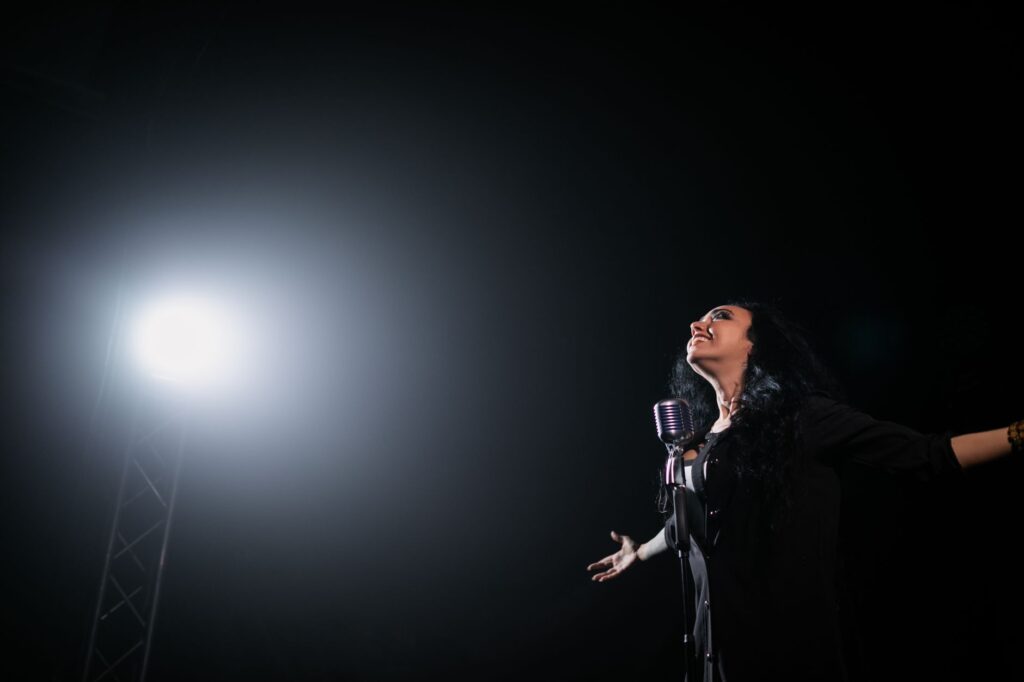

The debate surrounding the authenticity of television singing competitions has taken a fresh turn following recent public comments from prominent figures in the music industry. The conversation intensified when well-known vocalist Neha Kakkar offered a pointed critique directed at fellow singer Sunidhi Chauhan, who had previously characterized these popular musical programs as heavily scripted.
Understanding The Controversy
The friction began when Sunidhi Chauhan shared her perspectives on televised talent hunts, suggesting that the format relies heavily on predetermined narratives rather than purely spontaneous artistic evaluation. These remarks sparked widespread discussions among fans, aspiring musicians, and industry veterans regarding the true nature of reality television.
Talent shows have long served as a primary launchpad for emerging vocalists seeking mainstream recognition. While some artists credit these platforms for providing invaluable exposure, others have raised questions about behind-the-scenes production choices and the editorial control exercised by television networks.
The Response From Neha Kakkar
Weighing in on the ongoing debate, Neha Kakkar addressed the criticism surrounding these programs with a notable idiom, implying that individuals who do not achieve success or participation within these formats often dismiss their validity. The remark added fuel to the existing discussion, highlighting differing viewpoints among top-tier playback singers.
Kakkar has maintained a long-standing association with music reality television, transitioning from a contestant on early programs to a judge and mentor on major platforms such as Indian Idol. Her perspective reflects the belief that these stages offer genuine opportunities for hardworking aspirants to showcase their talent to a vast audience.
Industry Perspectives On Reality Television
The clash of opinions underscores a broader division within the entertainment sector regarding the commercialization of music talent. Supporters of reality programs argue that they democratize access to the industry, allowing regional performers to bypass traditional gatekeepers and connect directly with listeners.
On the other hand, critics maintain that the intense pressure-cooker environment, dramatic editing styles, and focus on emotional backstories sometimes overshadow raw musical ability. Artists like Chauhan, who have spoken about stepping away from certain judging panels or formats, often advocate for a purer focus on vocal artistry without the theatrical elements typical of television broadcasting.
Looking Ahead
As the public discourse continues, both artists represent valid viewpoints born from extensive experience within the modern music ecosystem. Whether viewed as vital springboards for new talent or heavily produced entertainment spectacles, singing reality shows remain a dominant force in shaping popular culture and launching careers.
The exchange between Kakkar and Chauhan highlights the ongoing evolution of how musical talent is discovered, marketed, and consumed in the digital and television age. Audiences and aspiring singers alike continue to weigh these contrasting opinions as they navigate the complexities of the contemporary entertainment landscape.