
Cultural celebrations have long served as a bridge bringing diverse communities together in shared joy and traditional observance. However, guidelines issued by certain groups often spark widespread public debate regarding who should be permitted to take part in these festivities. Recently, differing viewpoints emerged within public discourse concerning participation guidelines for traditional dance events during festive seasons.
Understanding the Controversy
The core of the discussion stems from directives released by the Vishva Hindu Parishad. These guidelines instructed event organizers to implement verification measures to confirm the Hindu identity of individuals wishing to enter garba venues. Such directives aim to regulate access to traditional cultural celebrations, creating a division in opinions among political figures and cultural commentators regarding community integration.
Amruta Fadnavis Takes a Stand Amidst the Debate
Weighing in on the ongoing discussion, prominent public figure Amruta Fadnavis expressed a distinct viewpoint that challenges the restrictive guidelines. She articulated the belief that cultural festivals are fundamentally inclusive spaces designed to unite people rather than divide them along religious lines. Her perspective highlights the traditional ethos of communal harmony that has historically defined large public celebrations across the nation.
The Broader Impact on Cultural Inclusivity
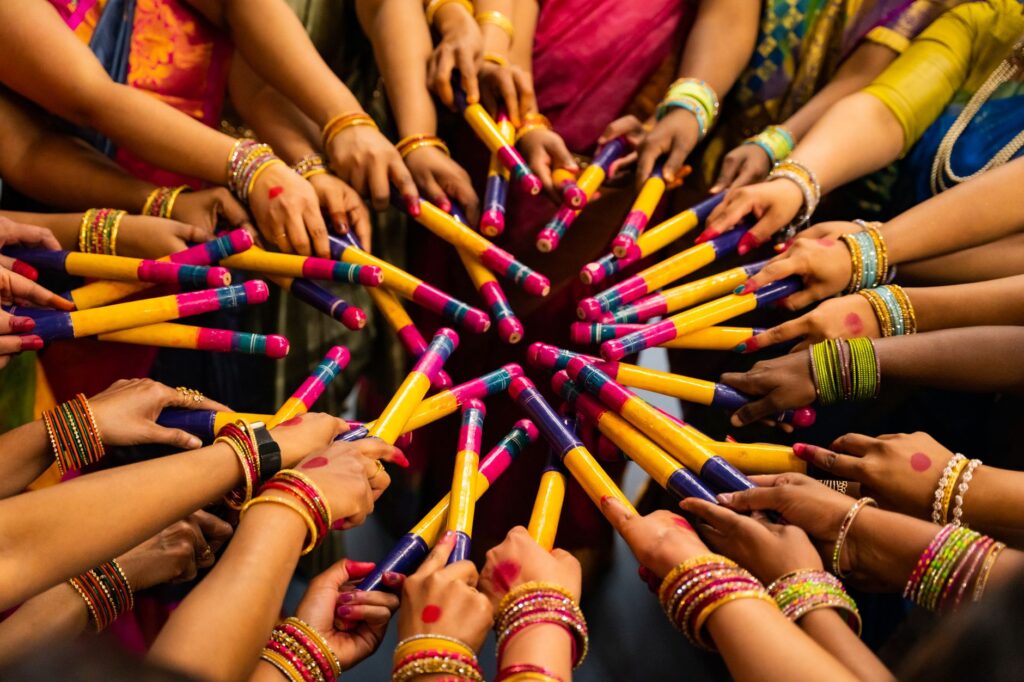
Public figures taking differing stances on cultural gatekeeping ignite vital conversations about societal values. While some organizations advocate for strict identity checks to preserve specific religious boundaries within cultural spaces, others emphasize the importance of open participation. Festivals like garba have traditionally welcomed individuals from various backgrounds who wish to partake in the cultural richness and communal spirit of the occasion.
Moving Forward in Diverse Societies
As discussions surrounding cultural events continue to evolve, the balance between preserving traditional identity and fostering inclusive environments remains a central theme. The dialogue sparked by differing opinions among leaders reflects the complex nature of maintaining harmony in a multicultural society. Ultimately, the perspective that celebrations should remain open to all continues to resonate with those who view shared traditions as a powerful tool for unity.