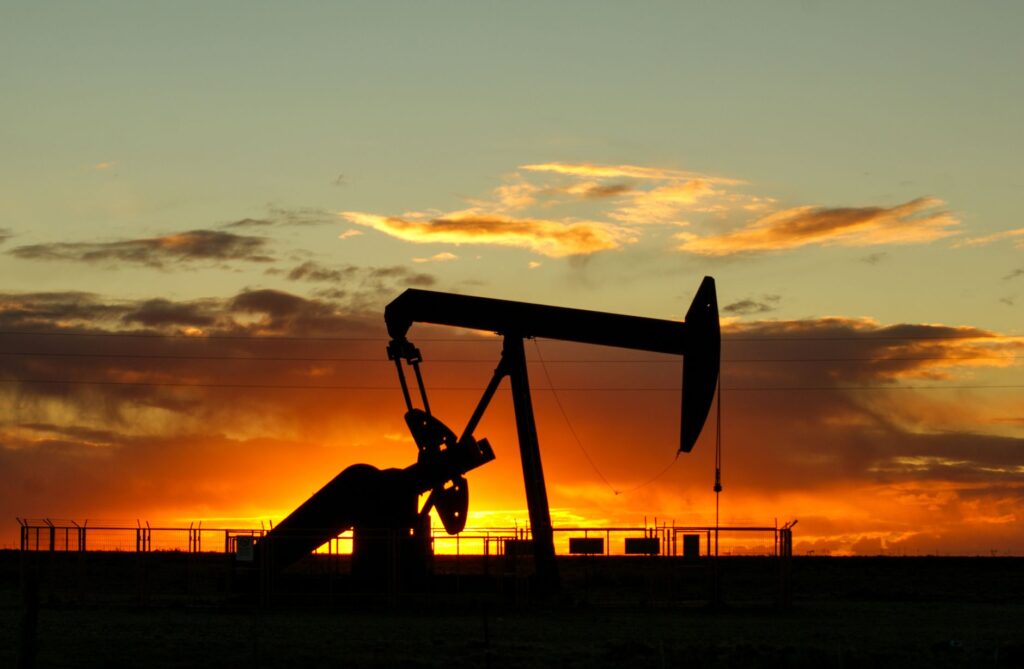

Global Energy Markets Reach Critical Threshold
International crude benchmarks have crossed a significant financial milestone, reaching values not seen since the middle of the summer season. Market analysts attribute this upward trajectory to a combination of persistent geopolitical instability and recovering economic consumption in major Asian markets. As the ongoing military confrontation involving the United States and Iran continues without a clear resolution, energy traders have adjusted pricing models to reflect heightened risks to global supply chains.
Geopolitical Tensions and Supply Pressures
At the center of the current market surge is the prolonged state of conflict between Washington and Tehran. The hostilities, which show no immediate indication of de-escalation, have created widespread apprehension regarding the security of petroleum transport routes in the Middle East. This region remains a vital artery for international energy distribution, and any sustained disruption threatens to restrict the flow of crude to Western and Eastern economies alike. Market participants are closely monitoring regional developments, as the duration and intensity of the military actions continue to dictate risk premiums across commodities exchanges.
China Demand Fuels Upward Momentum
Simultaneously, demand factors originating from the world’s second-largest economy are playing a pivotal role in sustaining higher price levels. Industrial activity and energy consumption within China have shown resilience, driving a steady requirement for imported crude to fuel manufacturing and transportation sectors. This robust appetite from Asian buyers interacts with the constrained supply outlook to create intense upward pressure on global pricing. Analysts note that even minor fluctuations in Chinese economic indicators can trigger significant volatility in petroleum futures as a result of this delicate supply and demand balance.
Economic Implications for Global Consumers
The escalation of Brent crude past the notable threshold of one hundred dollars per barrel carries broad economic consequences. Higher energy costs typically filter through supply chains, affecting transportation expenses, manufacturing overhead, and ultimately consumer prices for goods and services. Central banks and financial institutions are observing the commodity markets closely, mindful of how sustained energy inflation can influence broader economic growth and monetary policy decisions. Governments and industry leaders must now navigate an increasingly complex economic landscape defined by tight petroleum supplies and ongoing geopolitical friction.