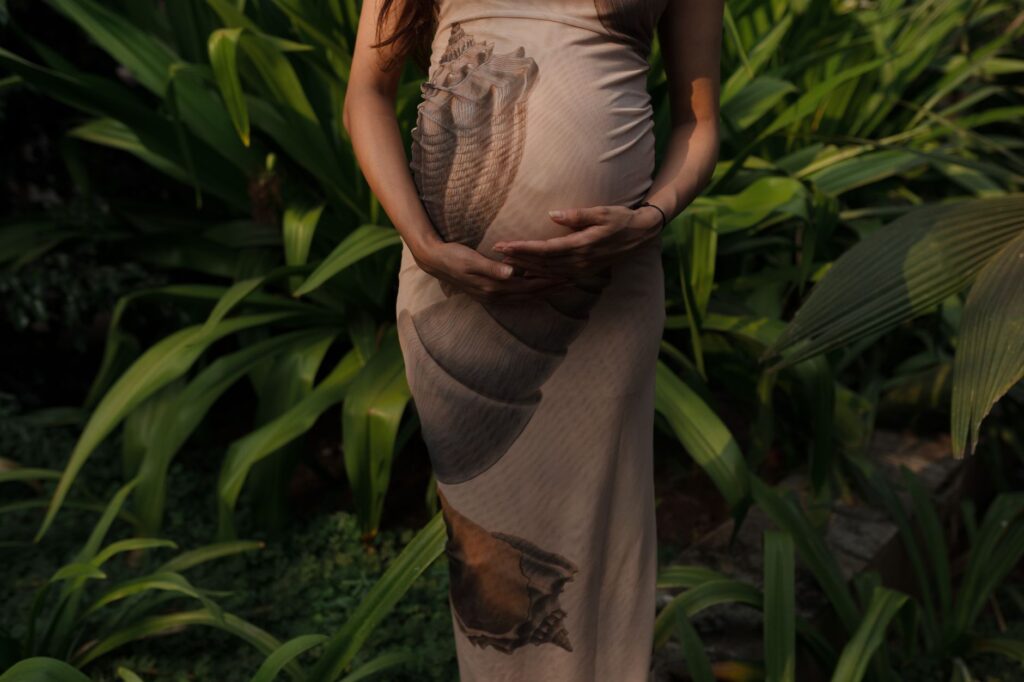

The Journey to Motherhood
Navigating pregnancy in the public eye comes with a unique set of challenges. Recently, prominent film star Deepika Padukone captured public attention by quietly signaling her agreement with a social media message that defends expectant mothers against unfounded rumors. The conversation centers around unwarranted public speculation that questions the authenticity of pregnancy journeys.
A Stunning Family Showcase
The discussion gained momentum shortly after the release of striking photographs from a private maternity photoshoot. In these intimate images, the renowned actress appeared alongside her husband, actor Ranveer Singh, and their newborn daughter, Dua. The visuals offered fans a warm glimpse into their expanding family and celebrated a major milestone in their personal lives.
Addressing Online Rumors
Despite the joyous occasion, celebrity pregnancies frequently attract baseless theories and skeptical commentary across digital platforms. Some internet users routinely question whether public figures genuinely experience pregnancy or resort to alternative methods. This pervasive skepticism places unnecessary emotional burdens on women during a vulnerable and transformative period of their lives.
A Clear Stand for Privacy and Respect
By endorsing a post that urged the public to halt these cynical theories, Padukone made a quiet yet powerful statement. The shared sentiment emphasized the importance of allowing mothers to embrace their personal experiences without facing unjustified scrutiny. Supporters praised the message for highlighting the need for basic respect and empathy toward women navigating the complexities of motherhood.
Shifting the Culture of Celebrity News
The incident serves as a broader reminder of the boundaries surrounding celebrity culture. While fans naturally gravitate toward news about their favorite stars, respecting personal milestones remains paramount. Experts and advocates continue to push for a healthier online environment where family moments are met with genuine celebration rather than suspicion and doubt.